
From Roscoe Street to Addison Street, a photographic walking tour of one of Chicago’s most distinctive neighborhood shopping districts.
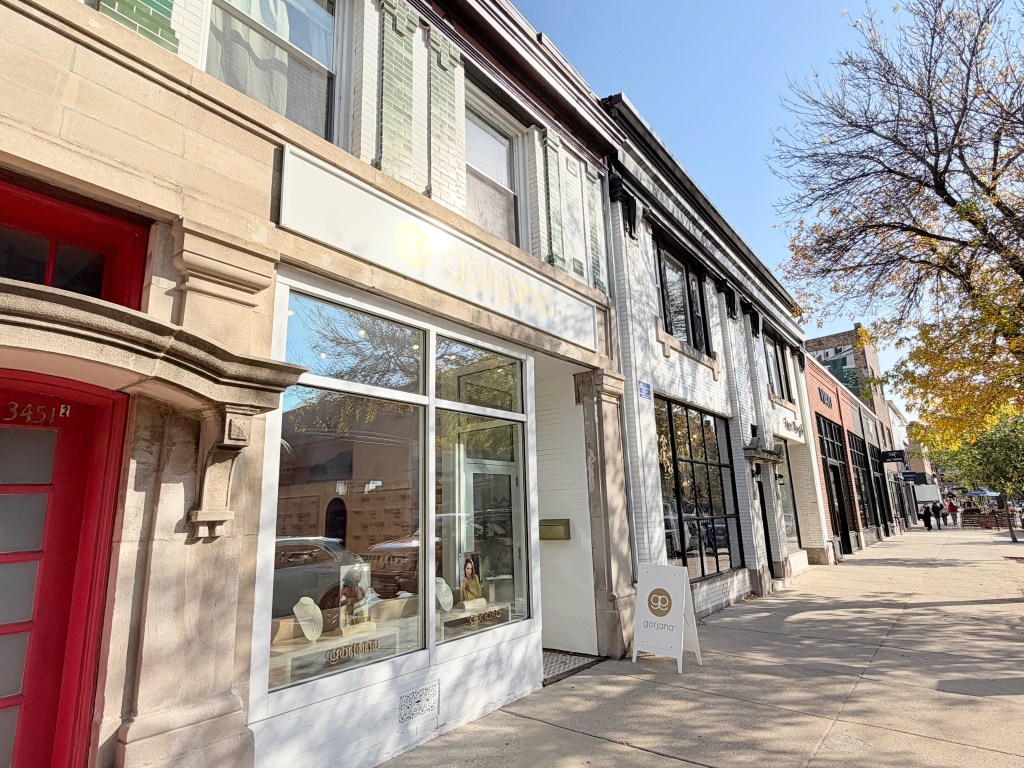
Chicago, October 2026 — There’s something special about walking along Southport Avenue on Chicago’s North Side. The tree-lined streets, historic architecture, neighborhood restaurants, bustling sidewalks and mix of independent boutiques and national retailers create an atmosphere that feels distinctly Chicago.
Located in the heart of Lakeview, the Southport Corridor has evolved into one of the city’s most recognizable neighborhood shopping and dining destinations. Yet despite decades of change, much of what makes Southport special remains: its walkability, residential character and the sense that almost everything you need is just a few blocks away.
For this photographic tour, we’re taking a walk north along Southport Avenue, beginning near 3200 N. Southport at Belmont Avenue and continuing to Addison Street at 3600 N. Southport.
Along the way, we’ll explore the storefronts, streetscapes, architecture and neighborhood atmosphere that define the Southport Corridor in 2026.
Where Is the Southport Corridor in Chicago?
The Southport Corridor is located within Chicago’s Lakeview community area, approximately six miles north of downtown Chicago.
While the broader neighborhood is commonly described as extending from Belmont Avenue to Irving Park Road, with Clark Street to the east and Ravenswood Avenue to the west, its best-known retail district is centered along Southport Avenue between Roscoe Street and Addison Street.
This compact, walkable stretch combines shopping, restaurants, cafes, fitness studios and neighborhood services with an established residential community.
Unlike downtown Chicago’s Magnificent Mile or the large-format shopping centers found in the suburbs, the Southport Corridor is integrated into the surrounding neighborhood. Historic two-flats and three-flats sit just steps away from modern storefronts, while tree-lined residential streets intersect the commercial avenue every few blocks.
It’s this blend of everyday neighborhood life and destination shopping that helps distinguish Southport from many other retail districts.
Starting Our Walk: Belmont Avenue to Roscoe Street
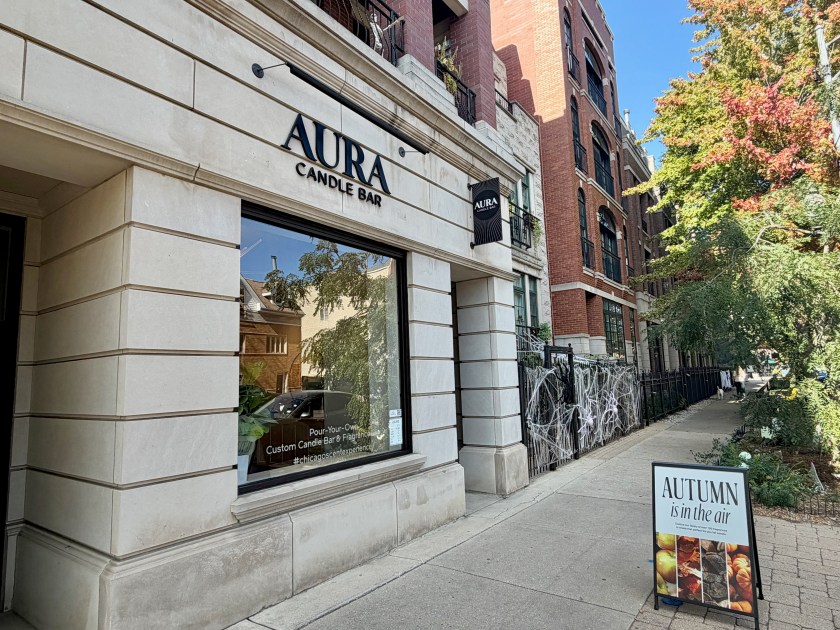
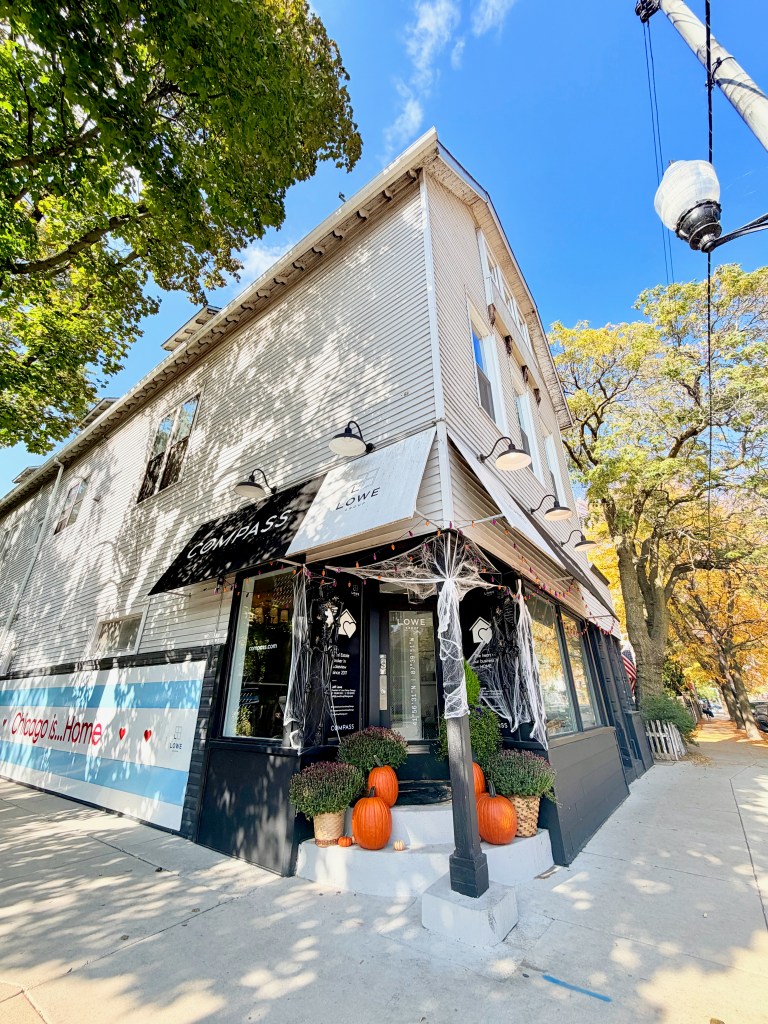
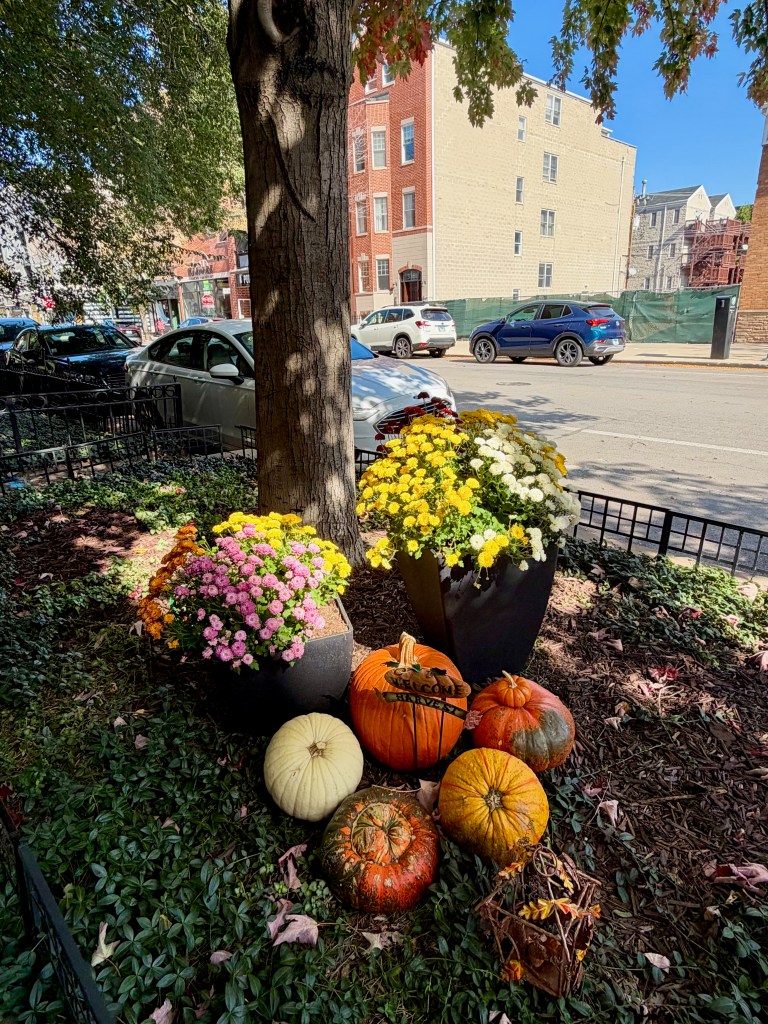
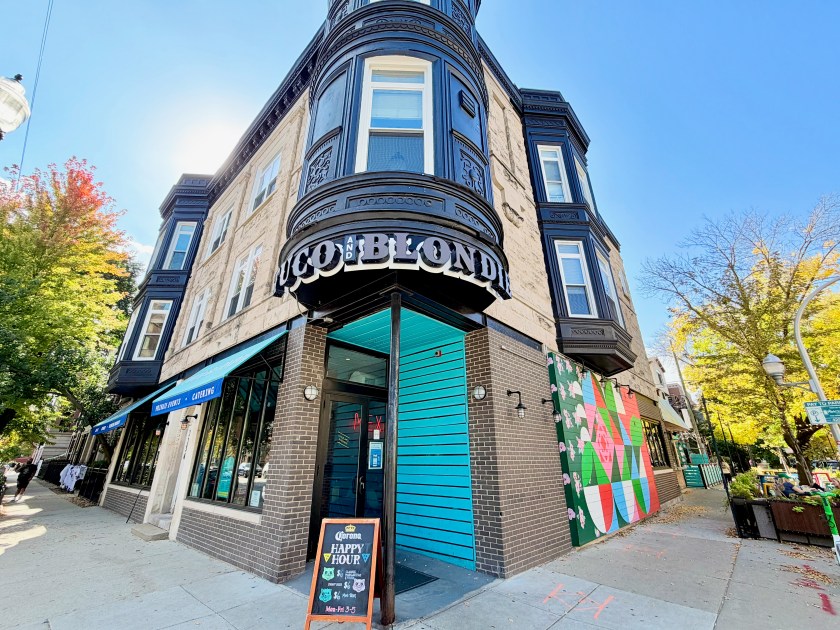
Our walk begins around 3200 N. Southport, just north of Belmont Avenue.
The southern end of our route offers a slightly different perspective from the high-profile retail blocks farther north. Here, Southport reflects its neighborhood roots, with residential buildings, local businesses and cafes contributing to a more intimate streetscape.
One of the more recent additions to this part of the avenue is Colectivo Coffee at 3253 N. Southport, which opened in July 2026. Its arrival gives residents and visitors another place to gather, work remotely or begin a morning walk through the neighborhood.
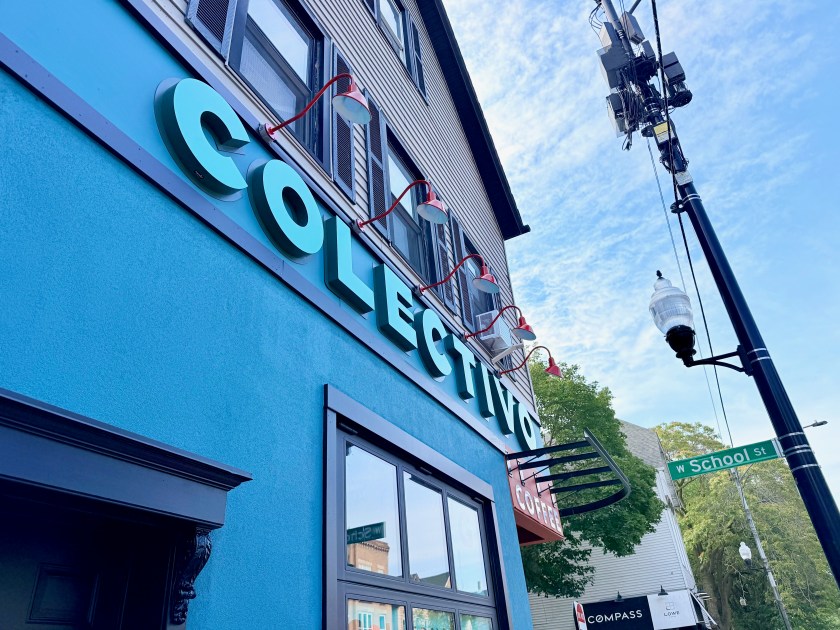
It’s a reminder that Southport’s appeal isn’t built exclusively around shopping. Coffee shops, neighborhood restaurants and everyday businesses are just as important to the street’s identity.
Continue north and the transition becomes apparent. As we approach Roscoe Street, retail activity becomes more concentrated, and the neighborhood begins to take on the feel of a destination shopping district.
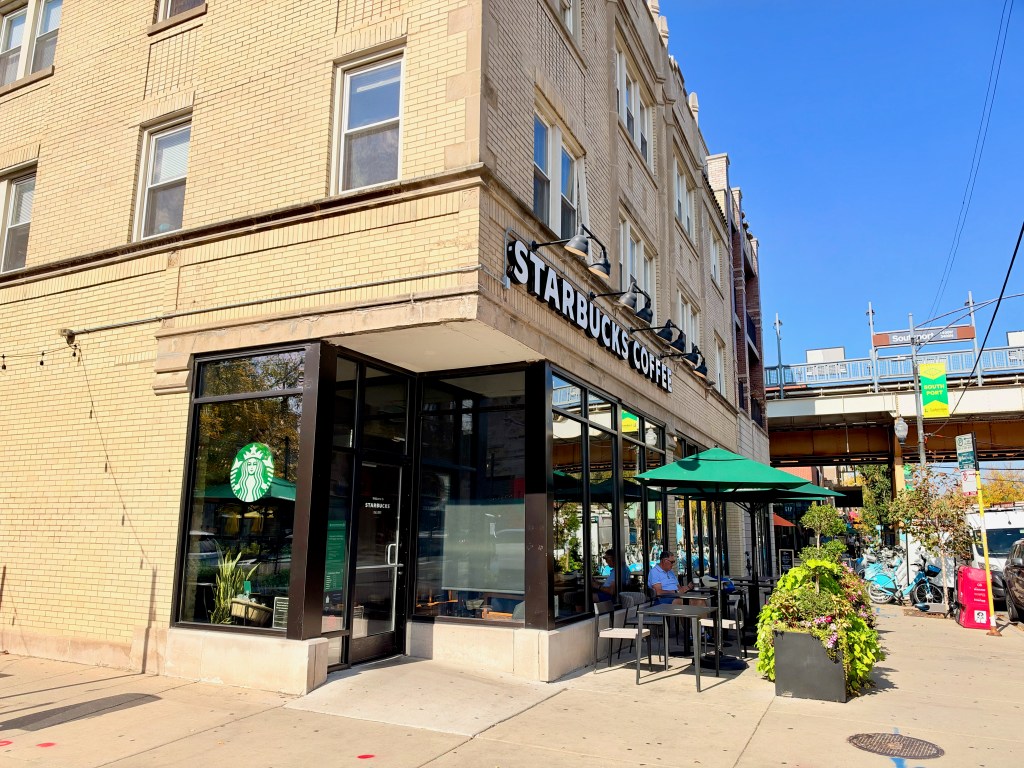
Roscoe Street to Newport Avenue: Where the Retail Corridor Comes Alive
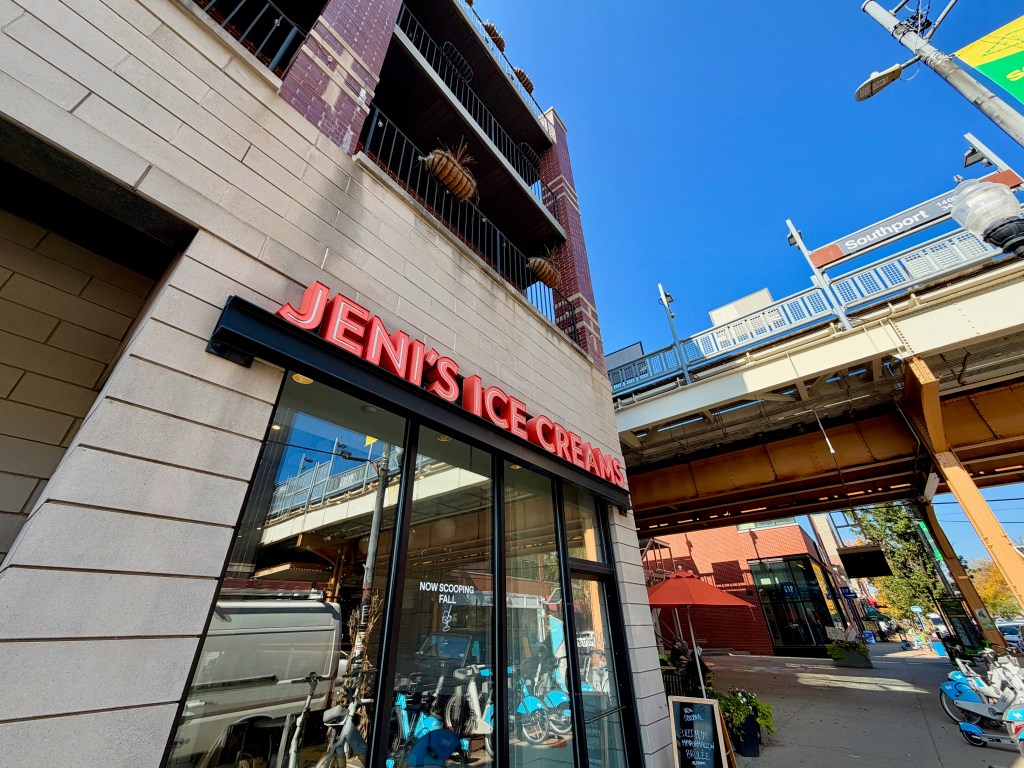
The intersection of Southport and Roscoe marks the beginning of one of the avenue’s busiest retail stretches.
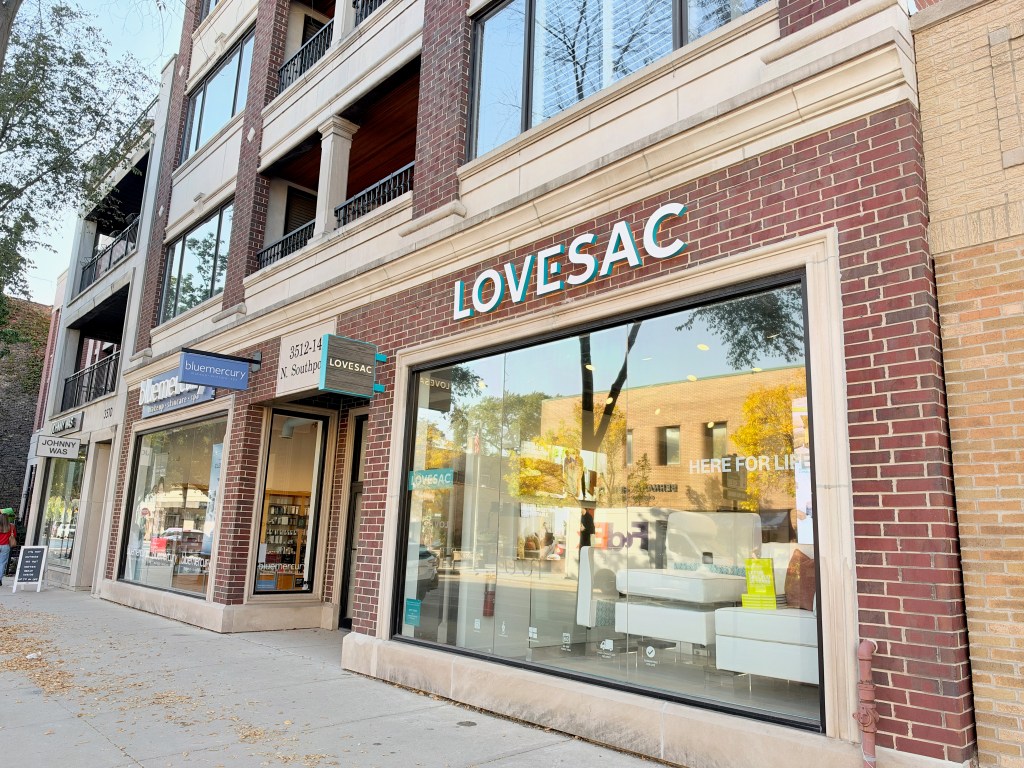
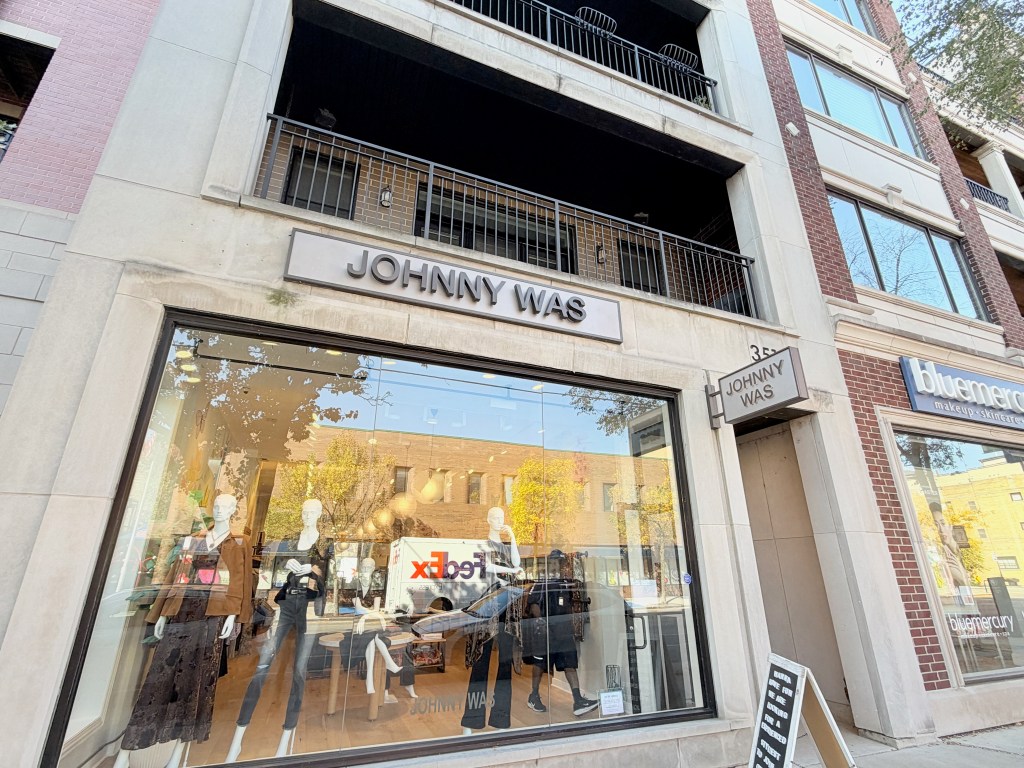
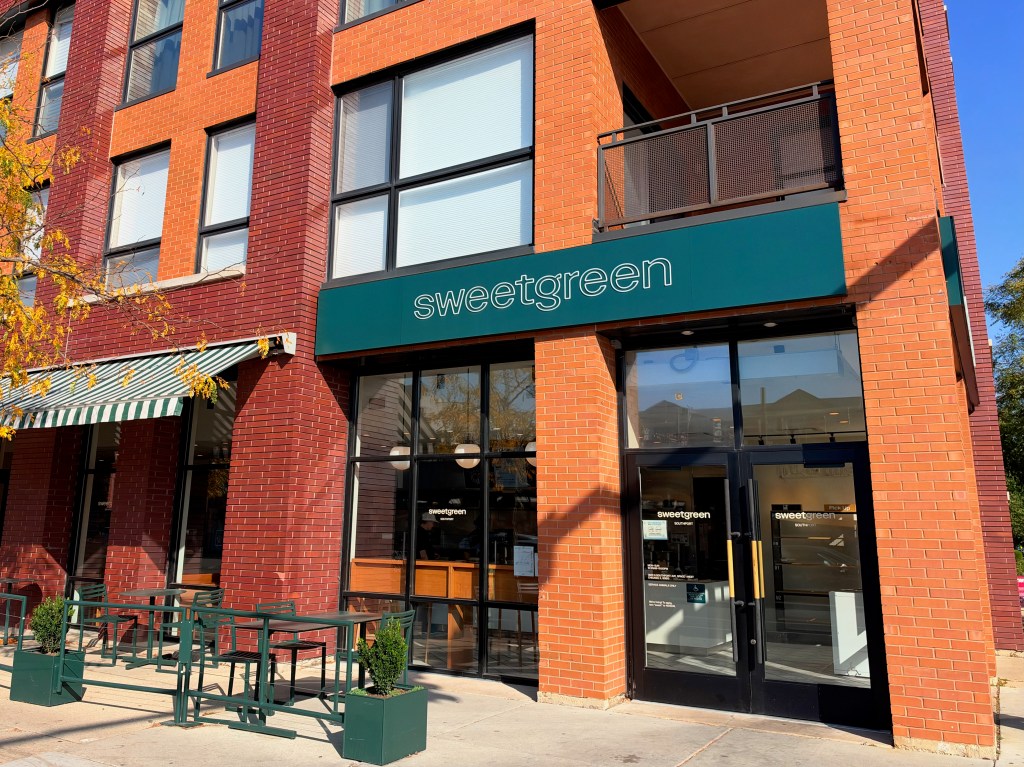
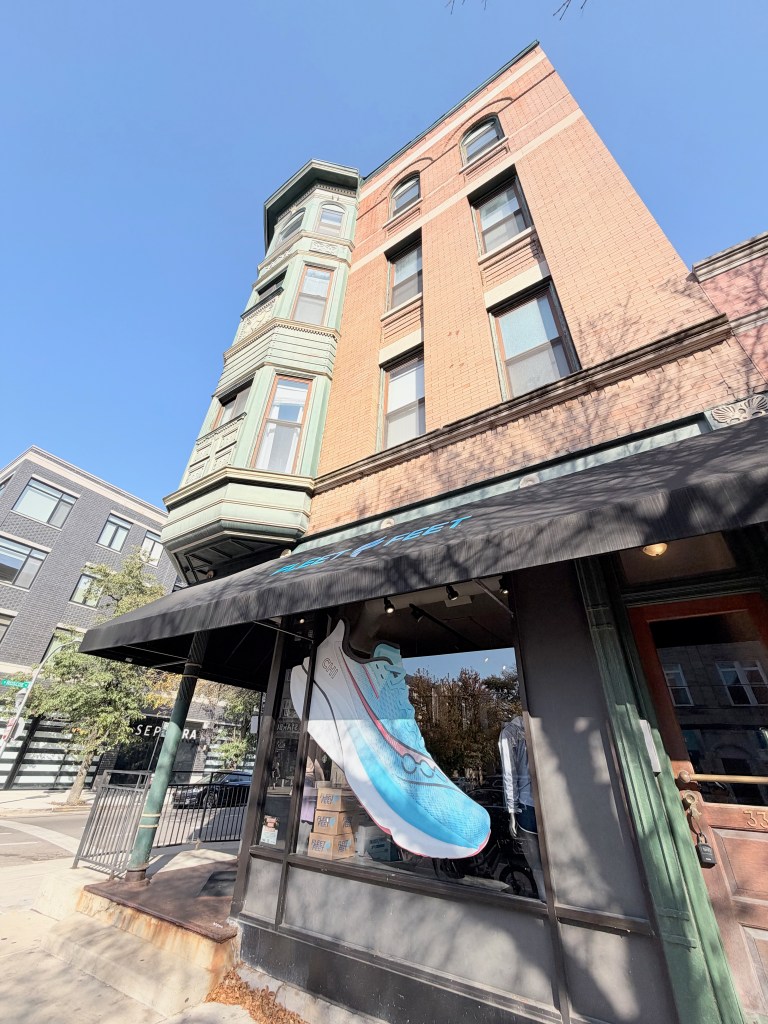
National retailers, independent businesses and popular restaurants operate within steps of one another. Their storefronts occupy buildings that vary in age and architectural style, creating a shopping experience with more personality than a traditional retail center.
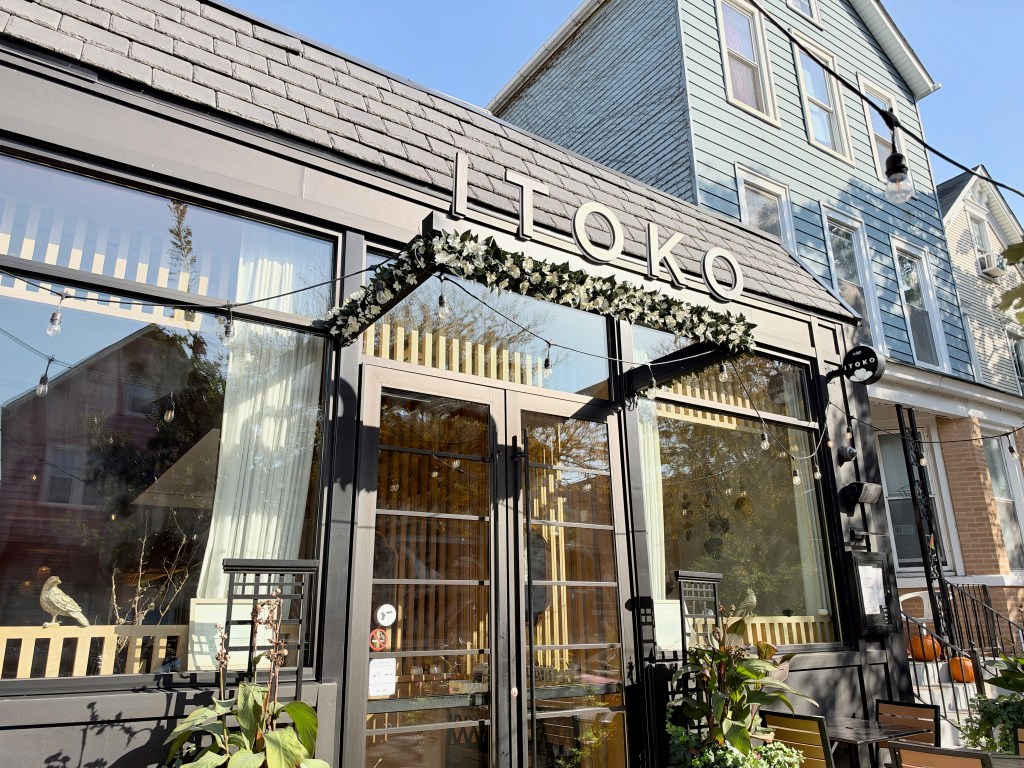
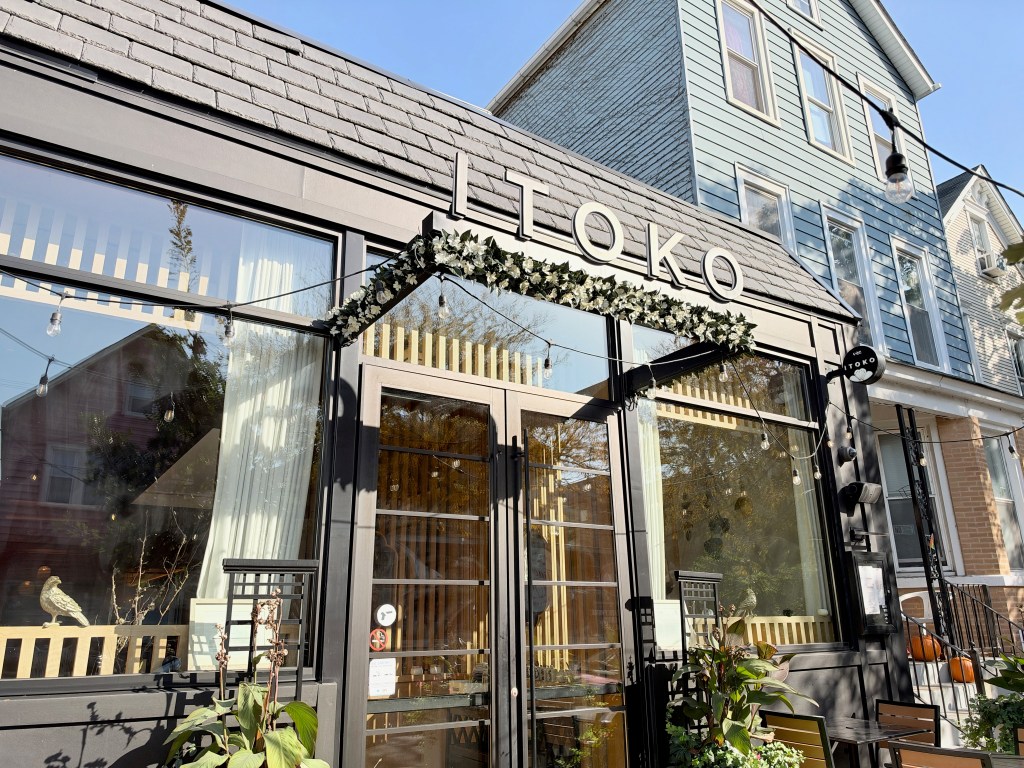
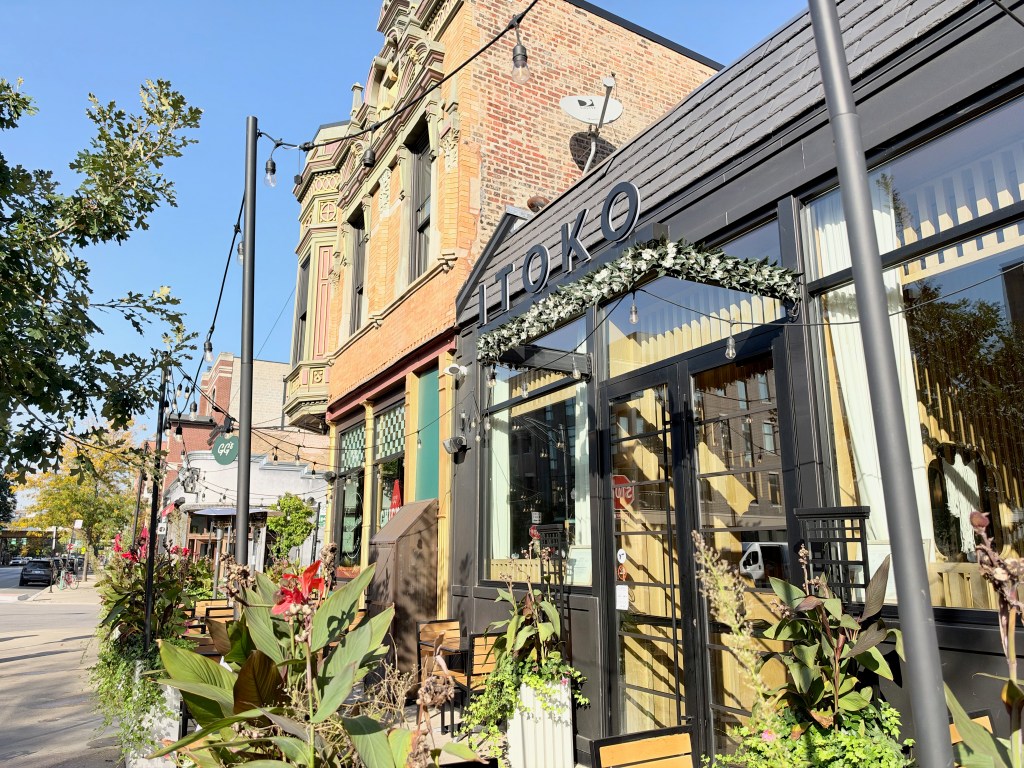
Businesses such as Fleet Feet, Hotel Chocolat and Itoko illustrate the variety found along this section of the corridor.
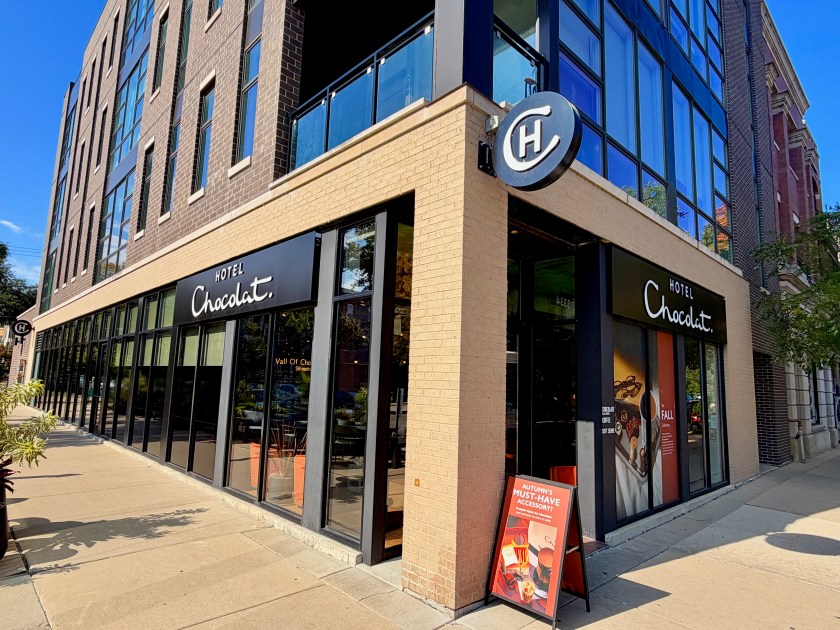
Itoko, located at 3325 N. Southport, brings a contemporary Japanese dining experience to the neighborhood, while specialty retailers and everyday services contribute to the activity throughout the day.
This part of Southport also demonstrates an important characteristic of successful urban retail districts: people arrive for different reasons.
Some come specifically to shop. Others are meeting friends for lunch, grabbing coffee, attending a fitness class or simply walking through their neighborhood.
Together, those activities create a steady rhythm of pedestrian life that extends beyond a single store or restaurant.
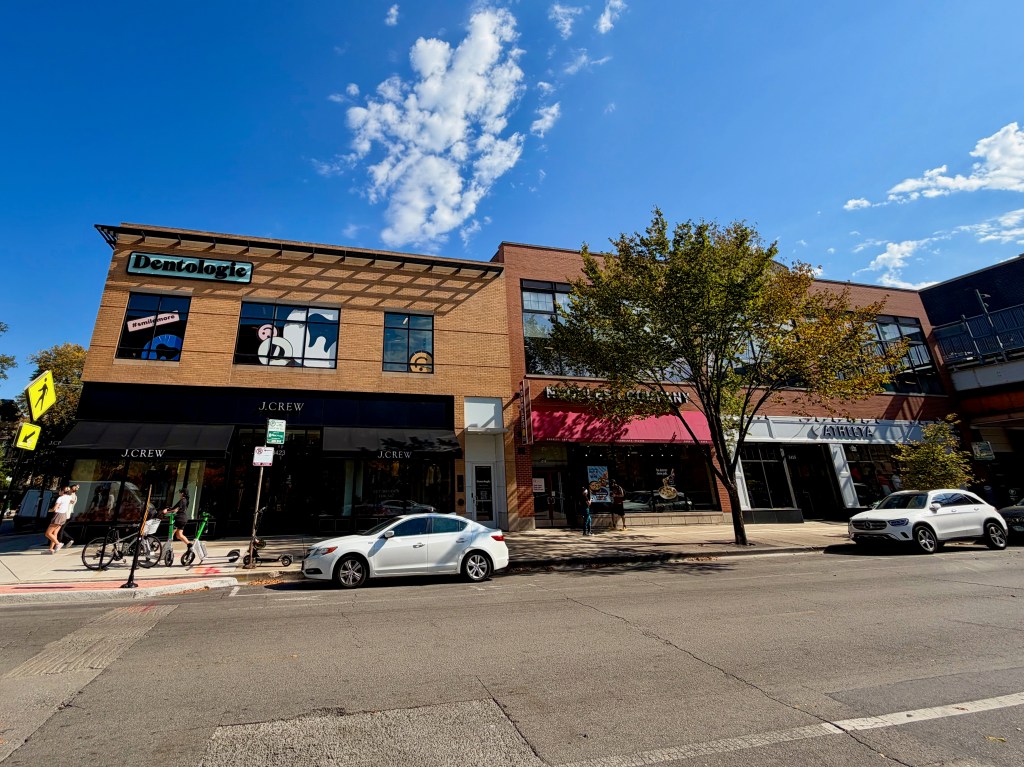
The 3400 Block: Southport’s Modern Shopping Identity
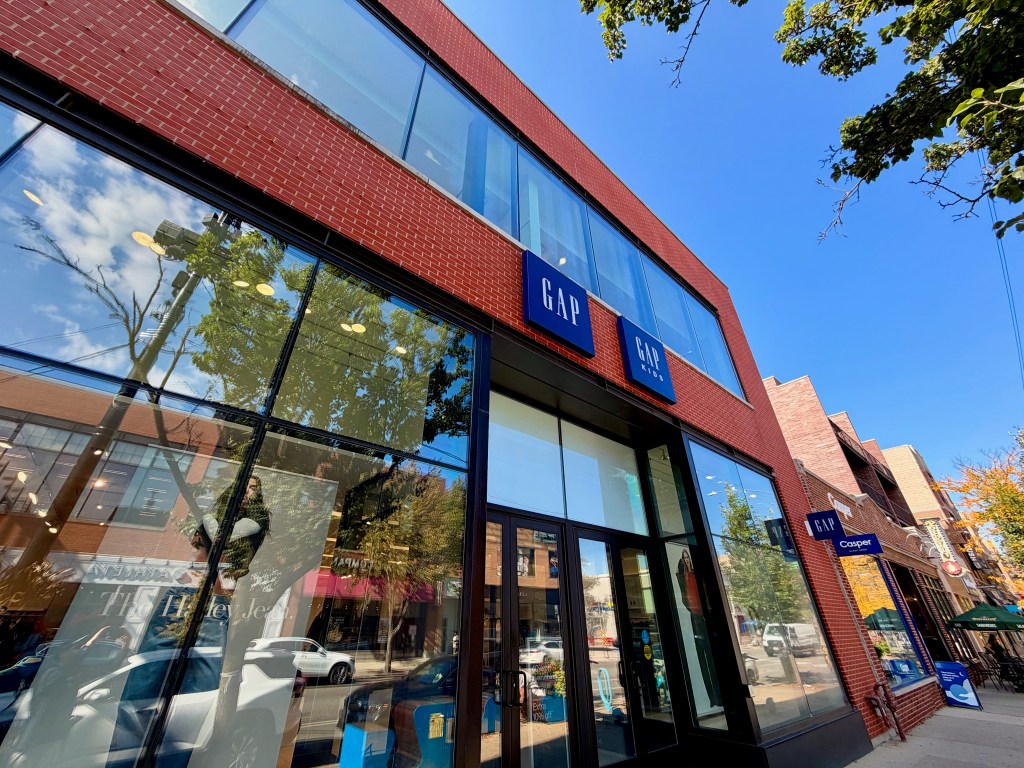
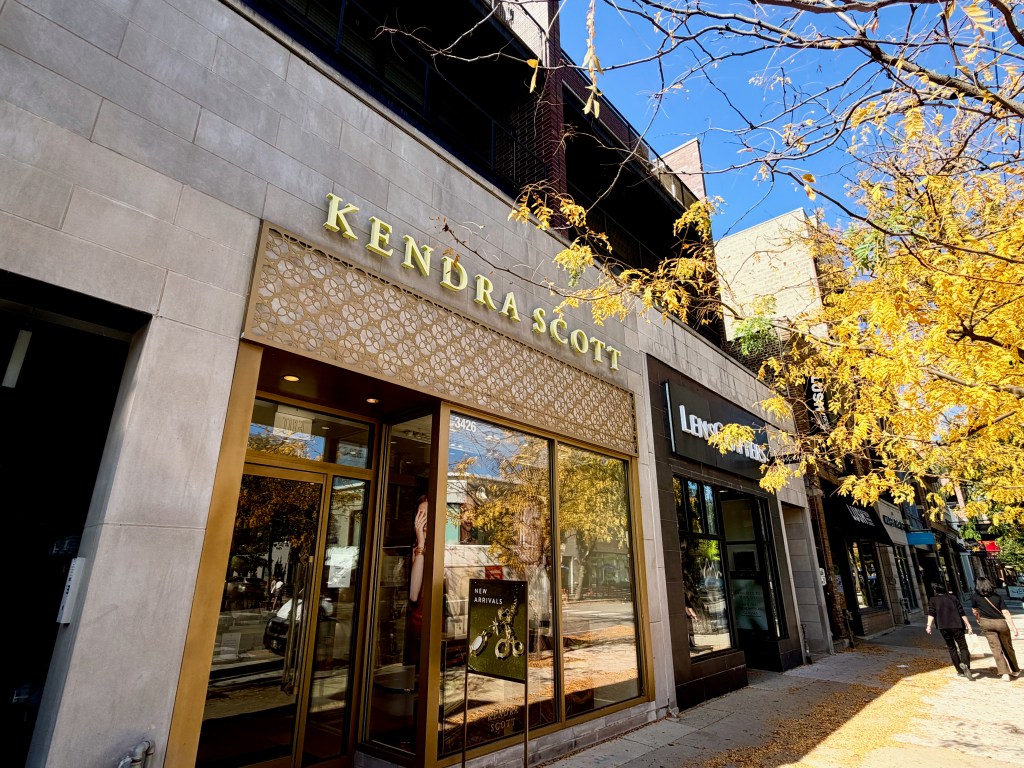
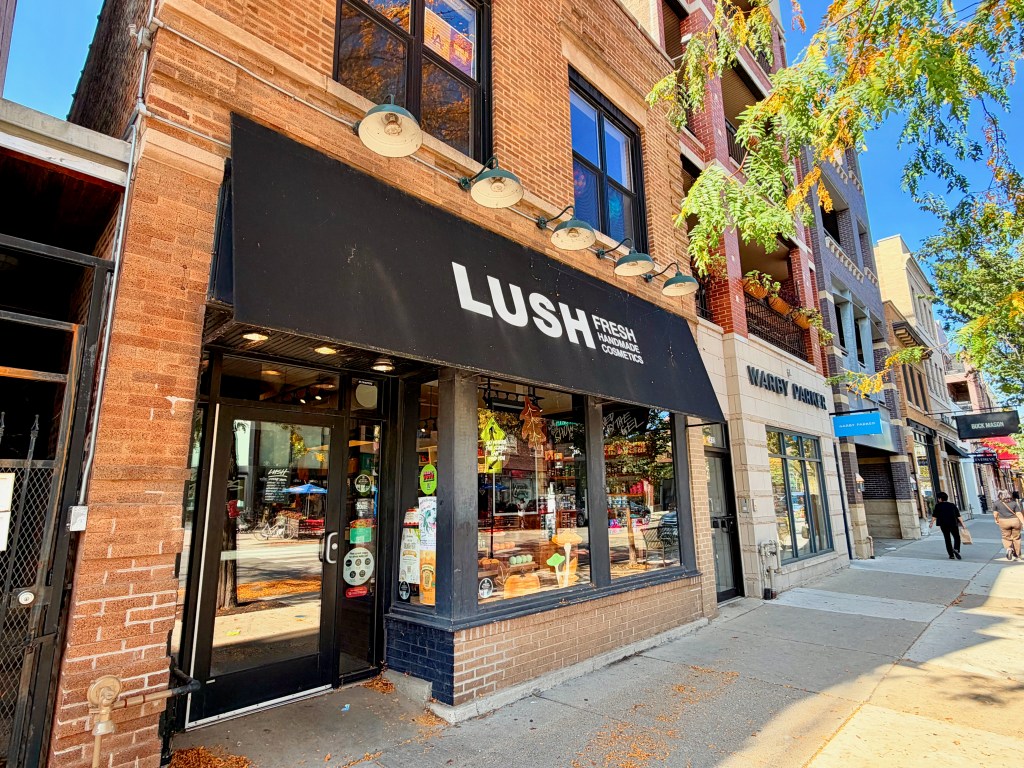
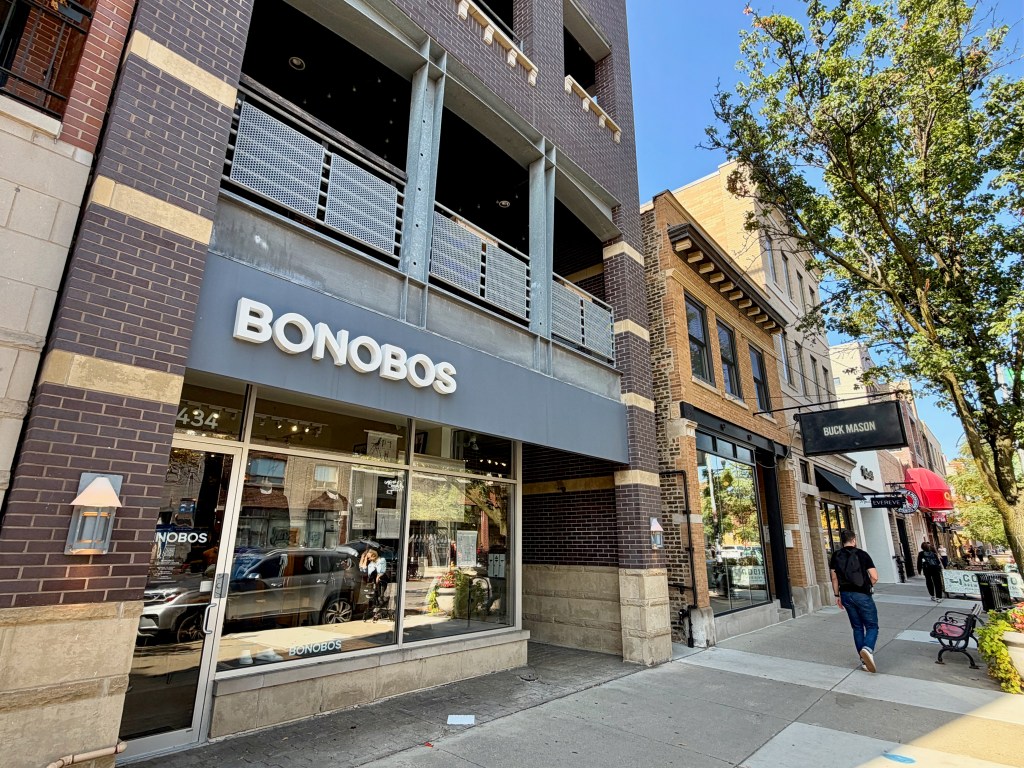
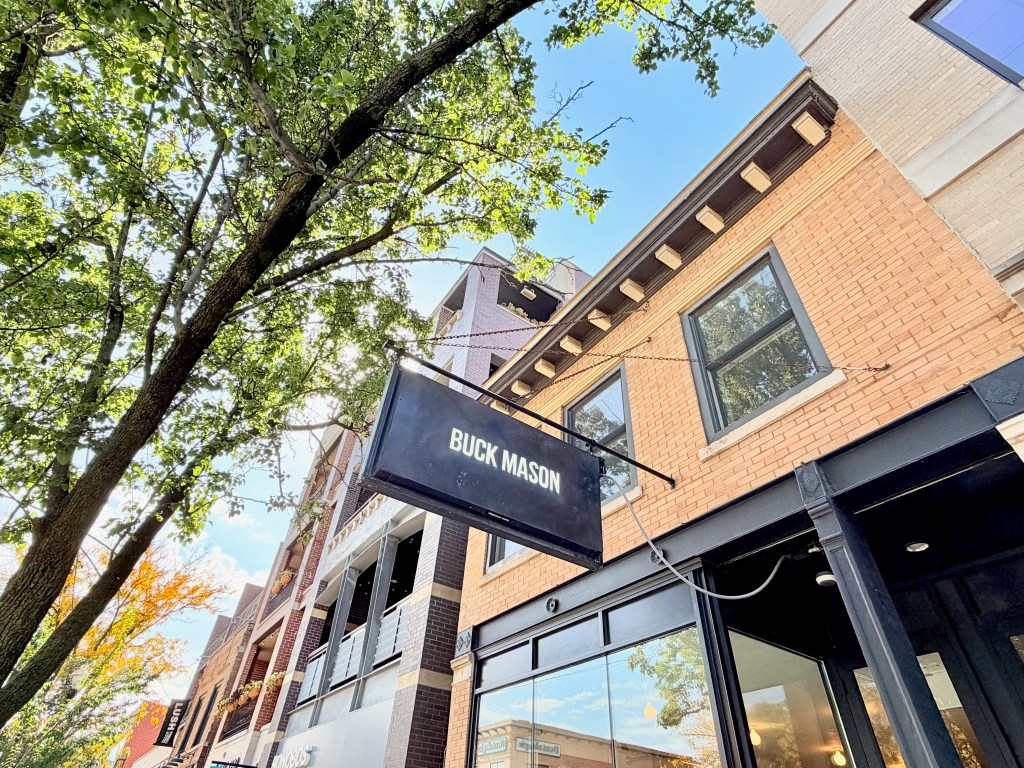
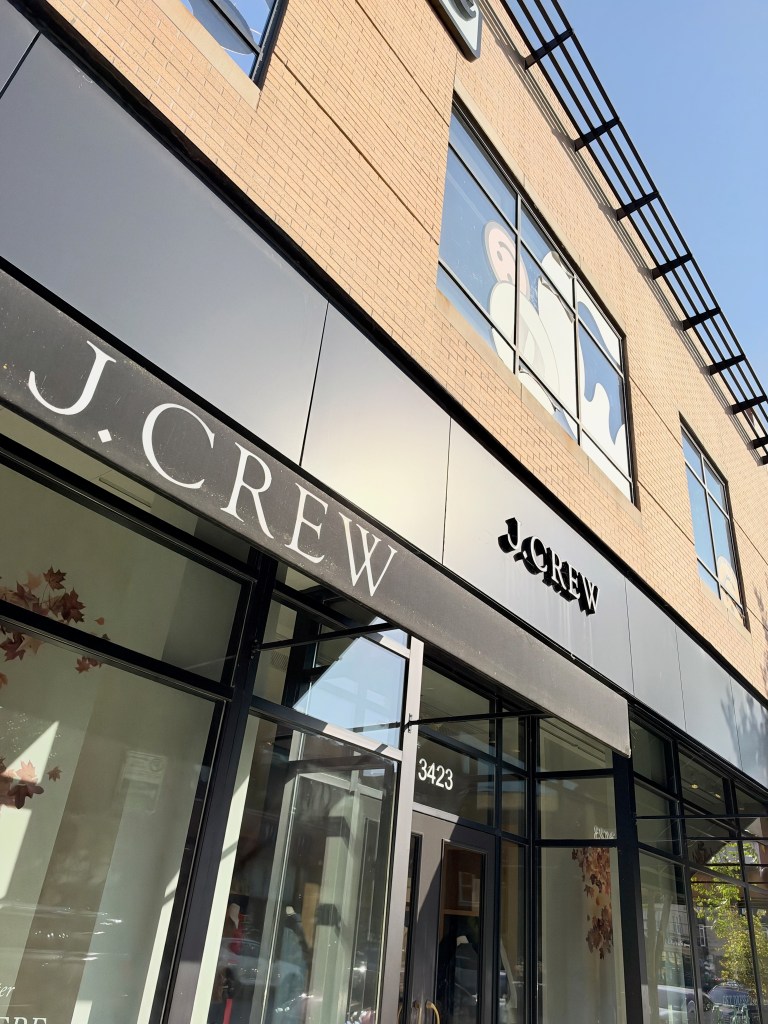
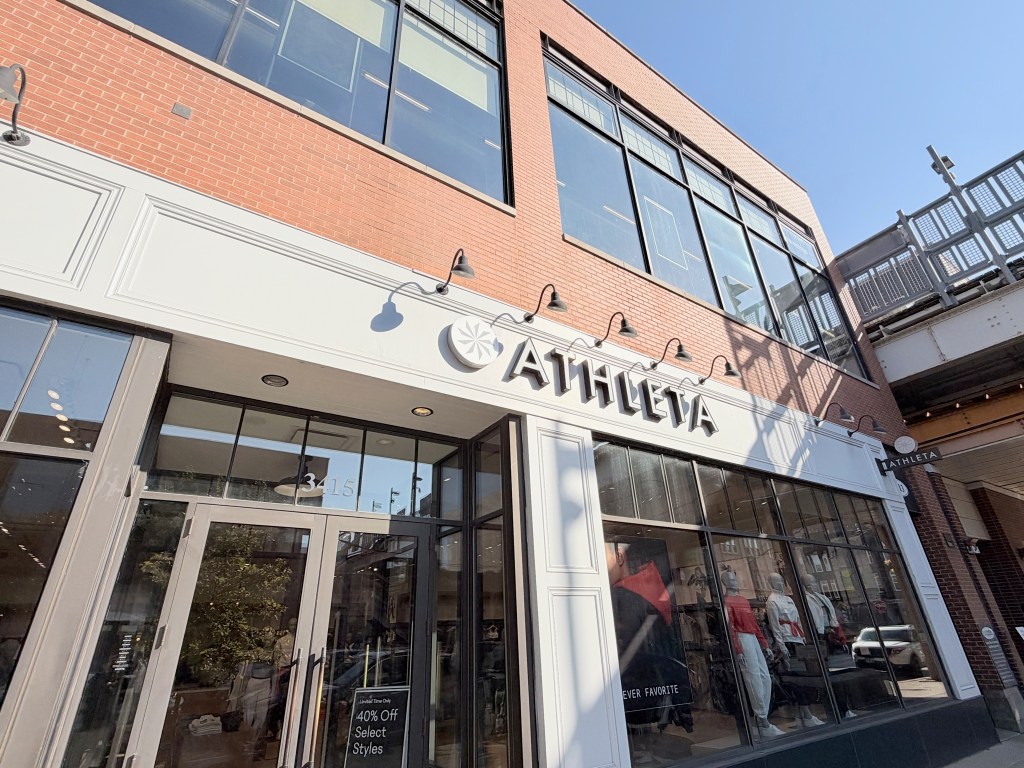
Continuing north, the 3400 block offers perhaps the clearest illustration of how dramatically Southport’s retail landscape has changed.
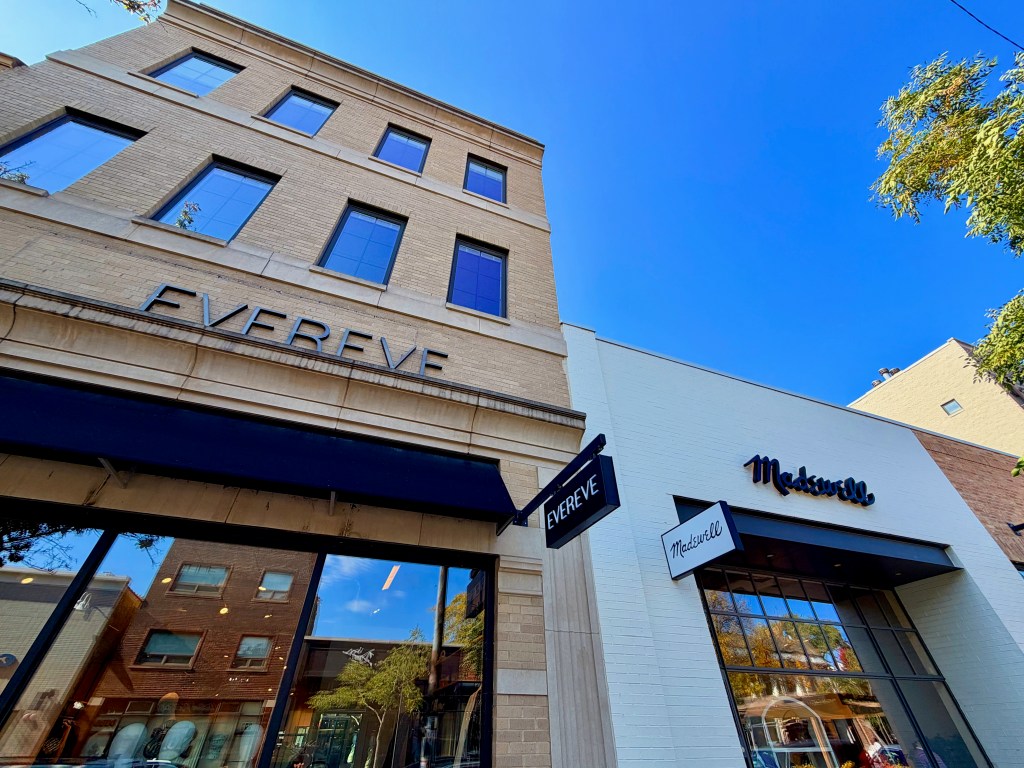
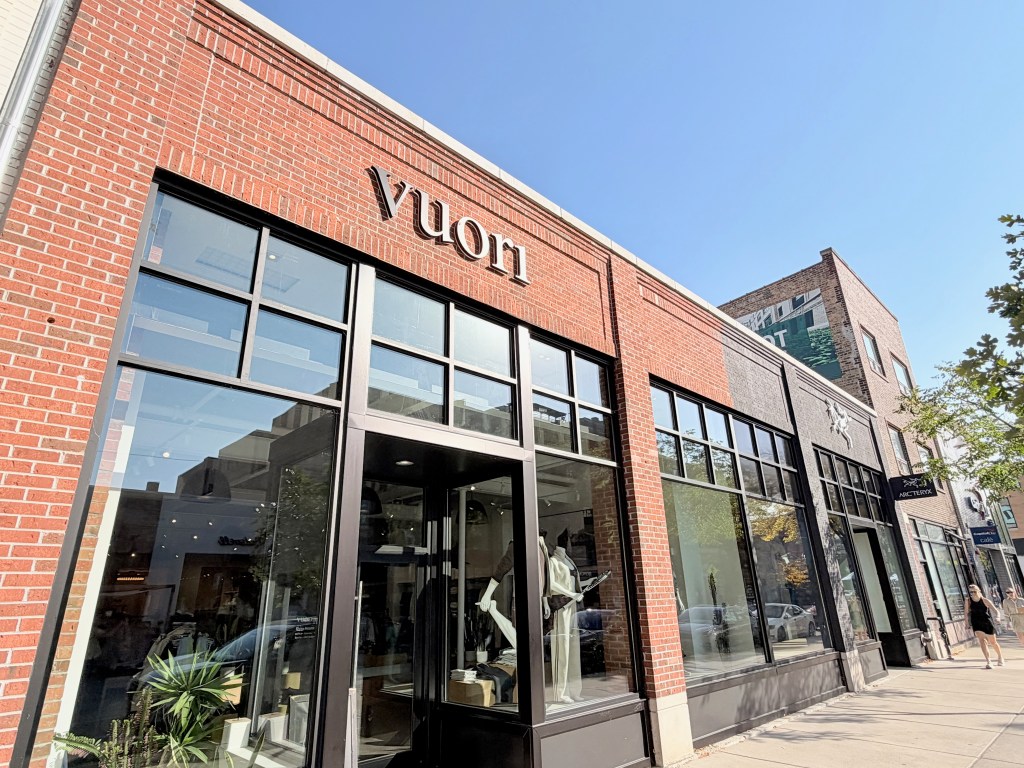
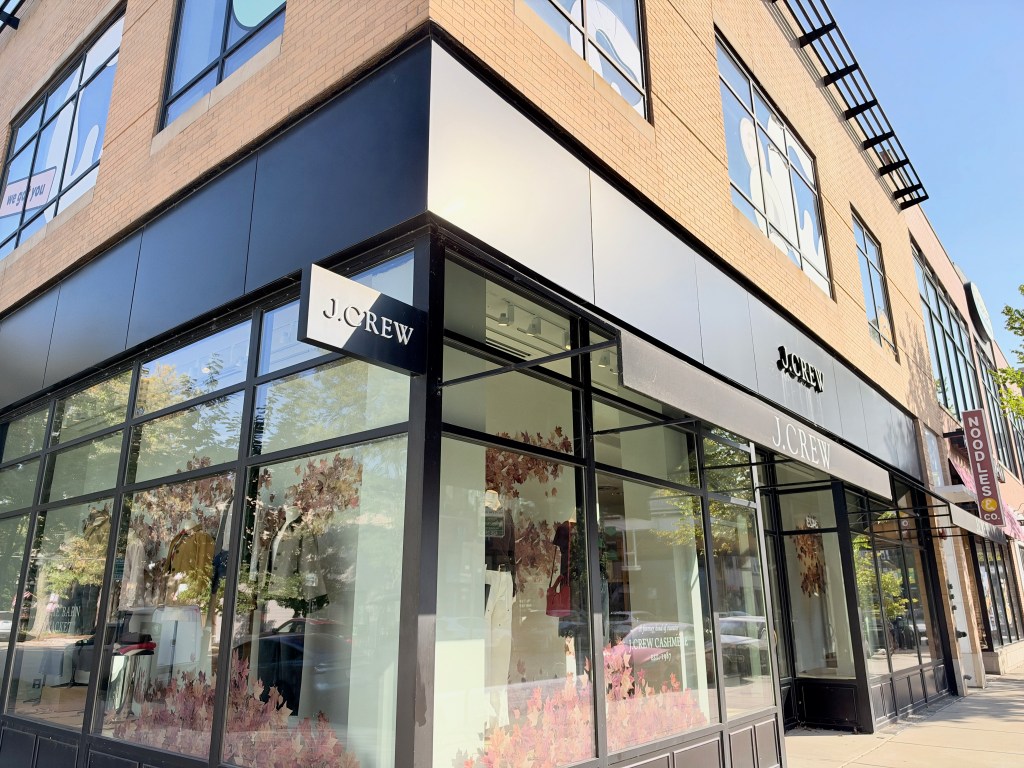
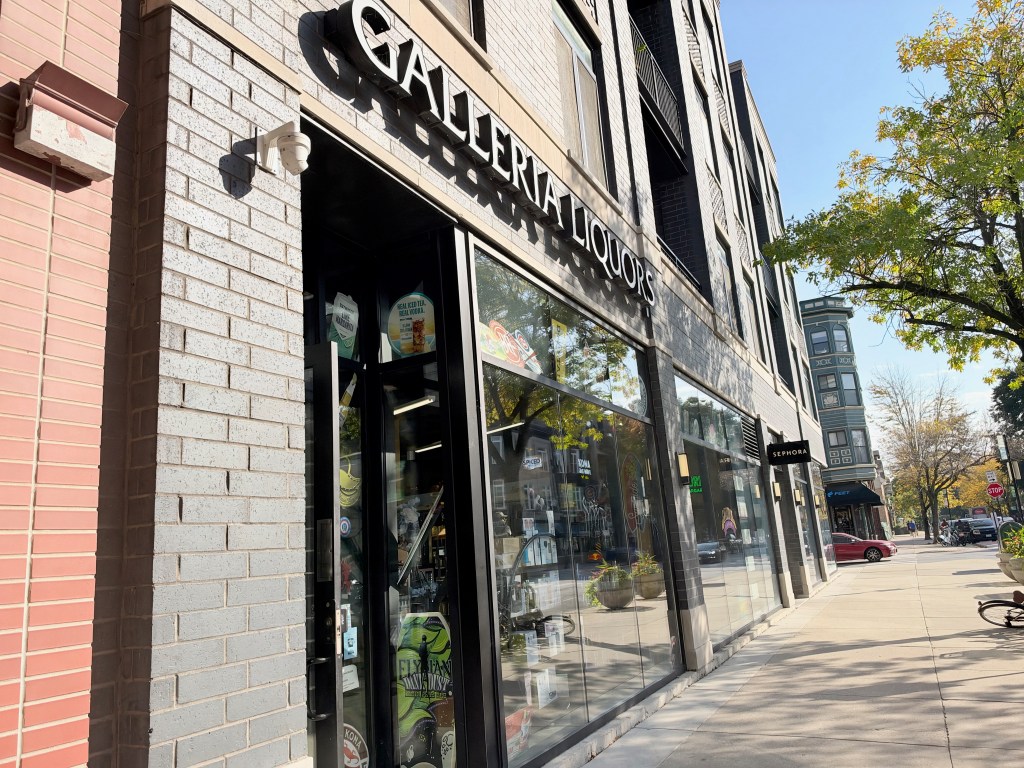
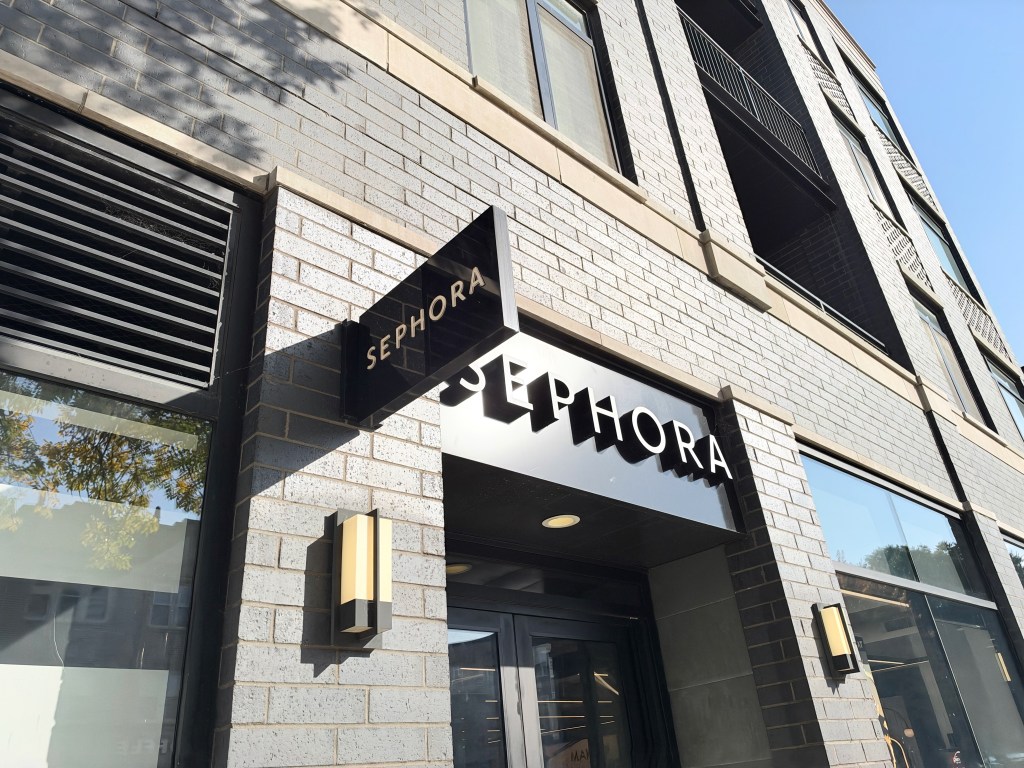
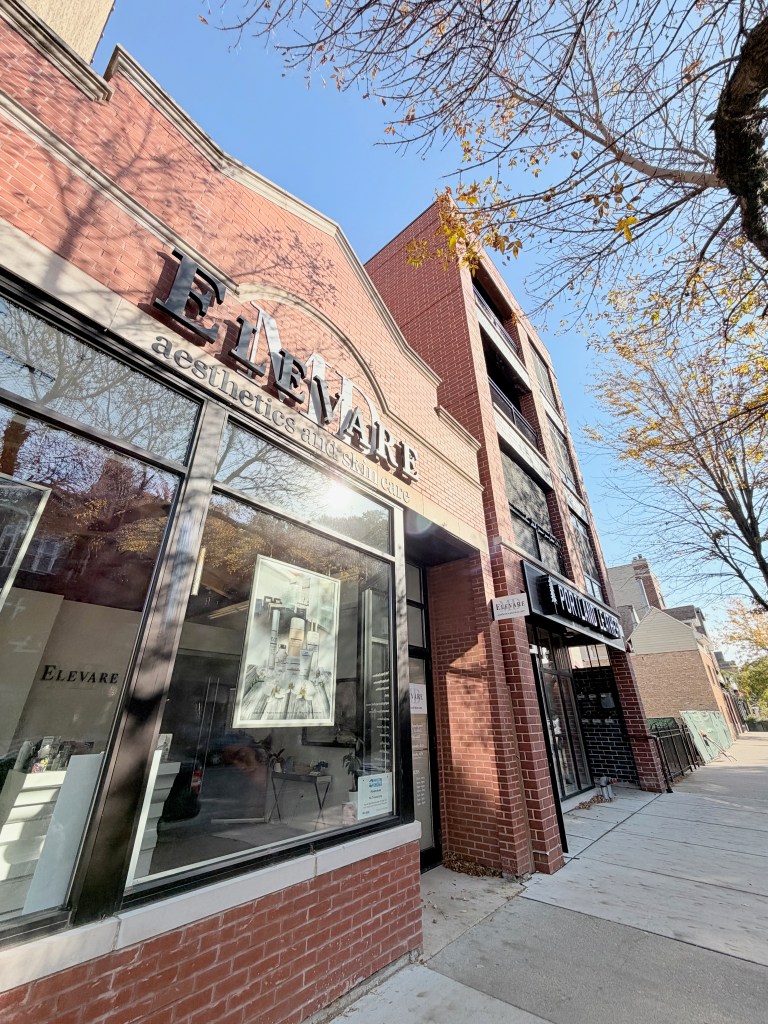
Today, the corridor features a collection of major lifestyle and fashion brands including Lululemon, Vuori, J.Crew, Madewell, Sephora, Reformation, Evereve, Abercrombie & Fitch and others across the surrounding blocks.
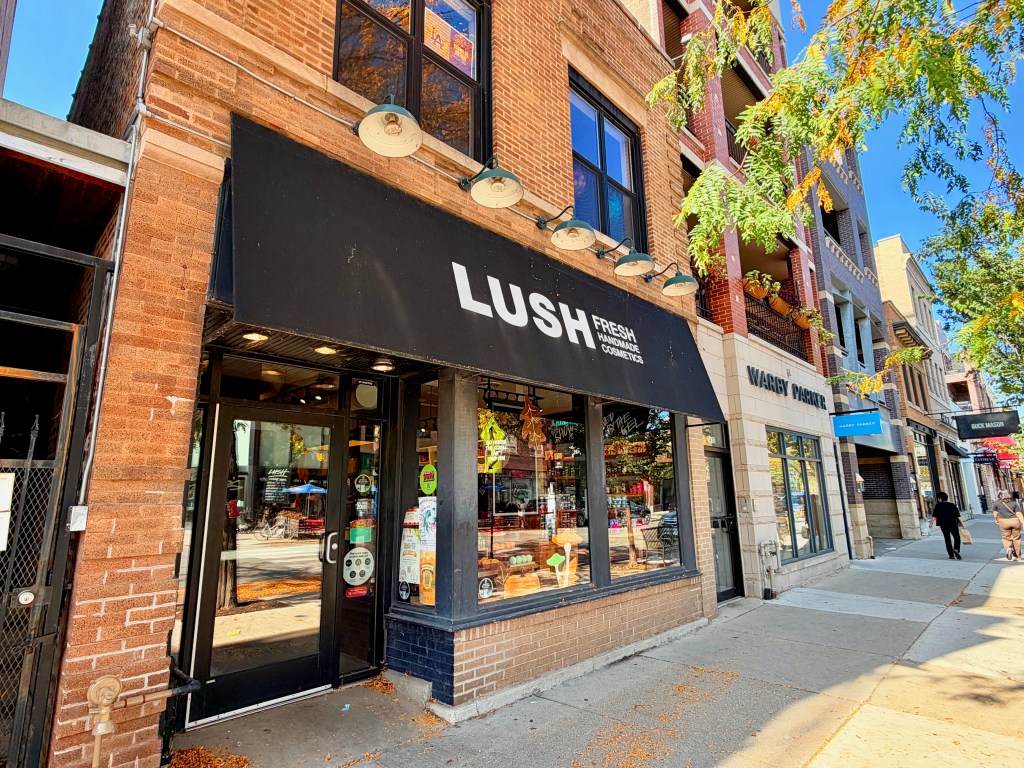
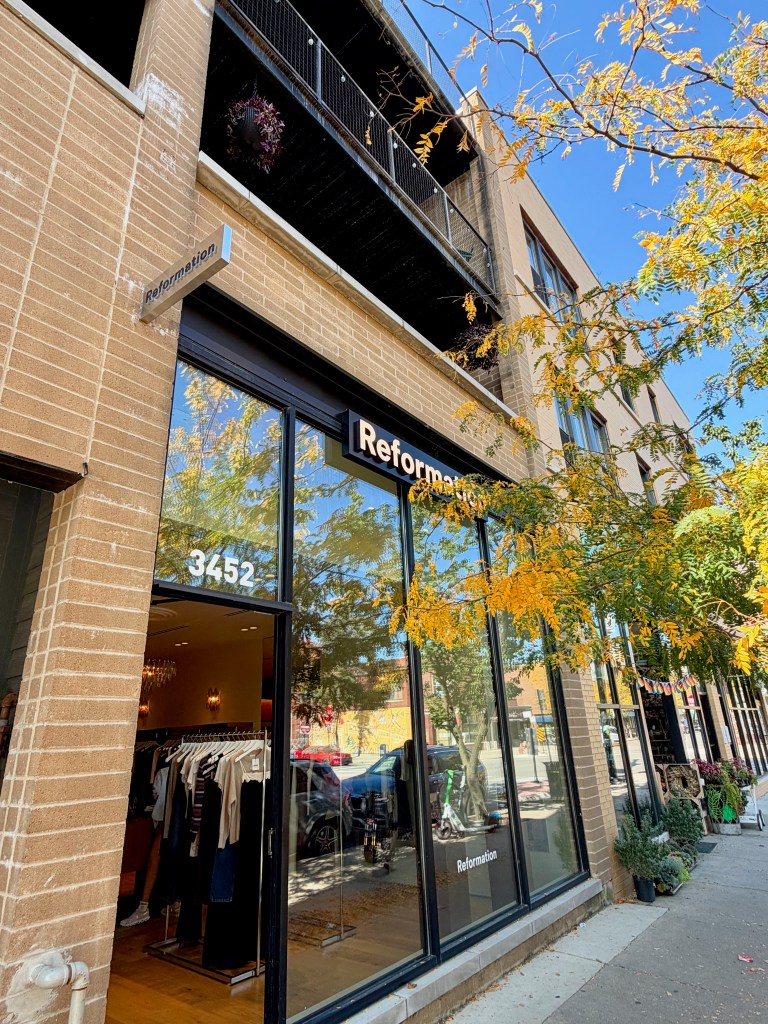
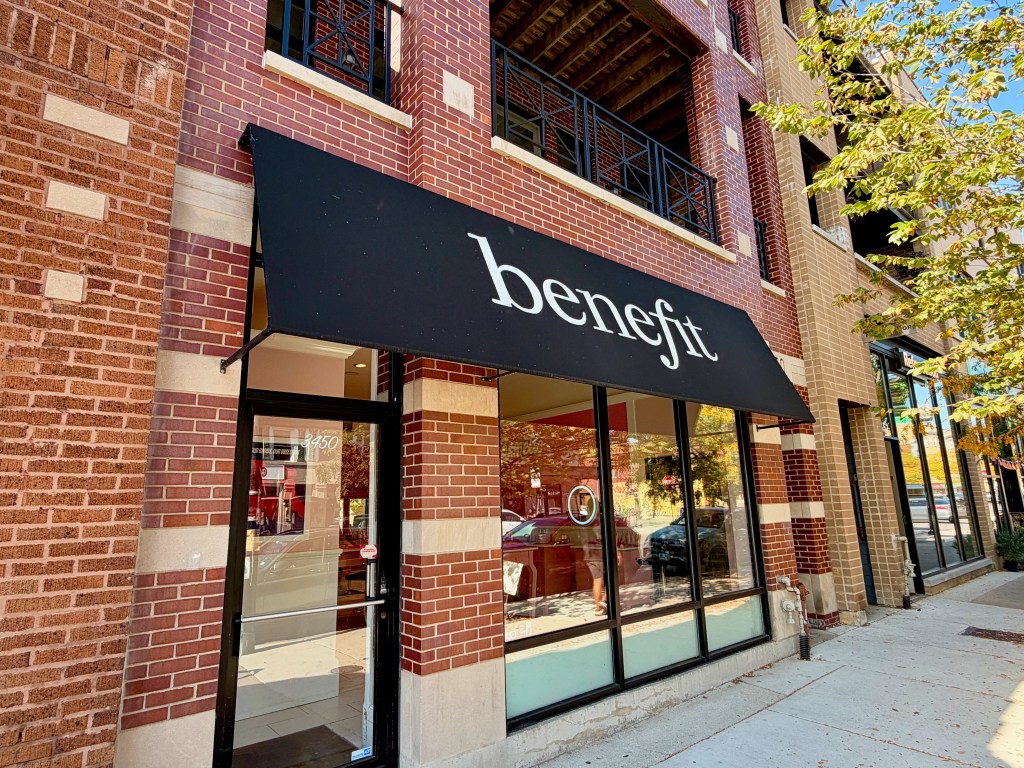
The addition of Reformation at 3452 N. Southport in May 2026, replacing the former Dr. Martens store, is one recent example of the street’s shift toward contemporary fashion and premium lifestyle retail.
But Southport is not exclusively about national chains.
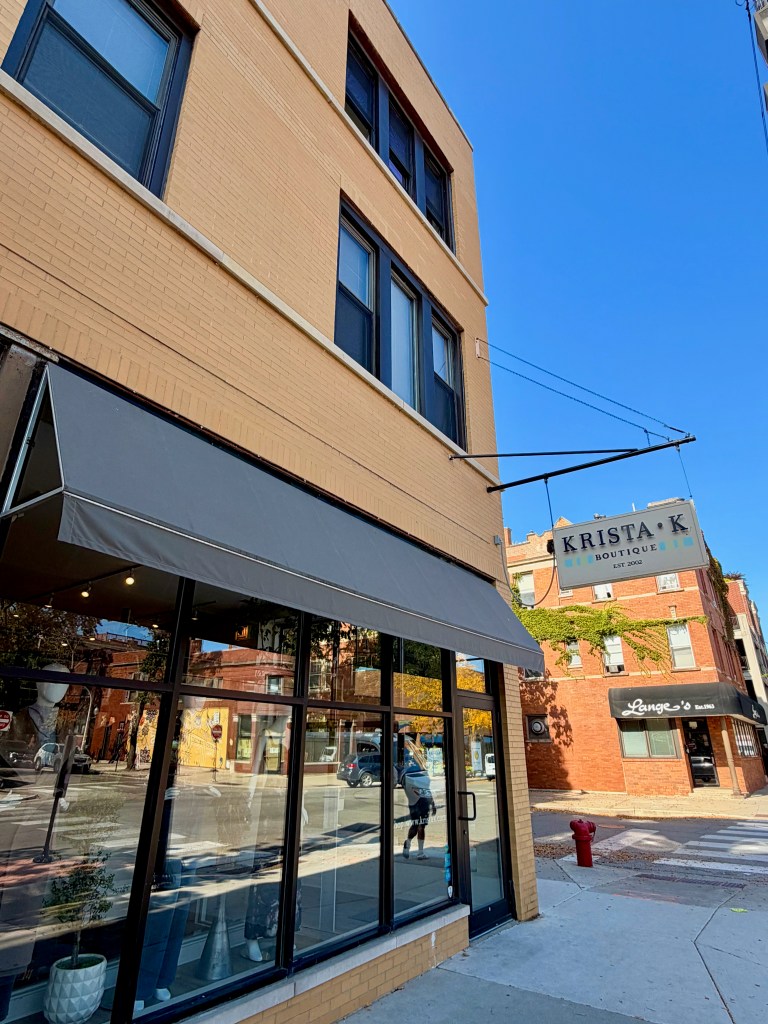
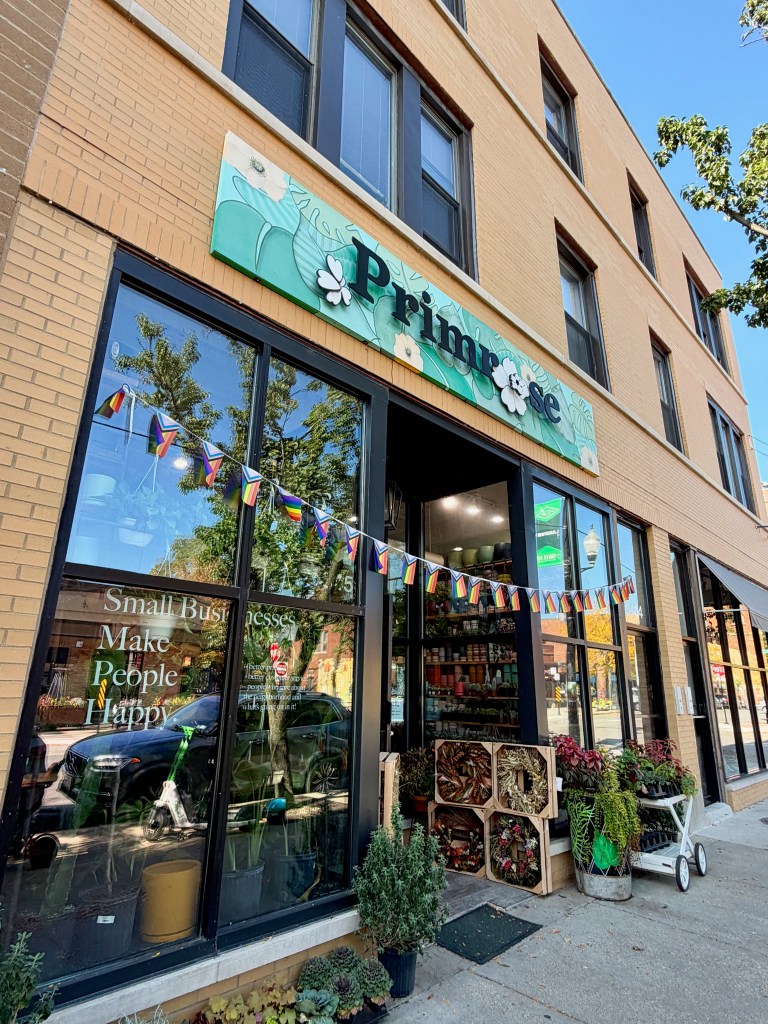
Independent businesses such as Krista K and Alice & Wonder continue to contribute to the corridor’s individuality, offering experiences and merchandise that help distinguish the neighborhood from shopping districts dominated by familiar names.
Restaurants also play a major role.
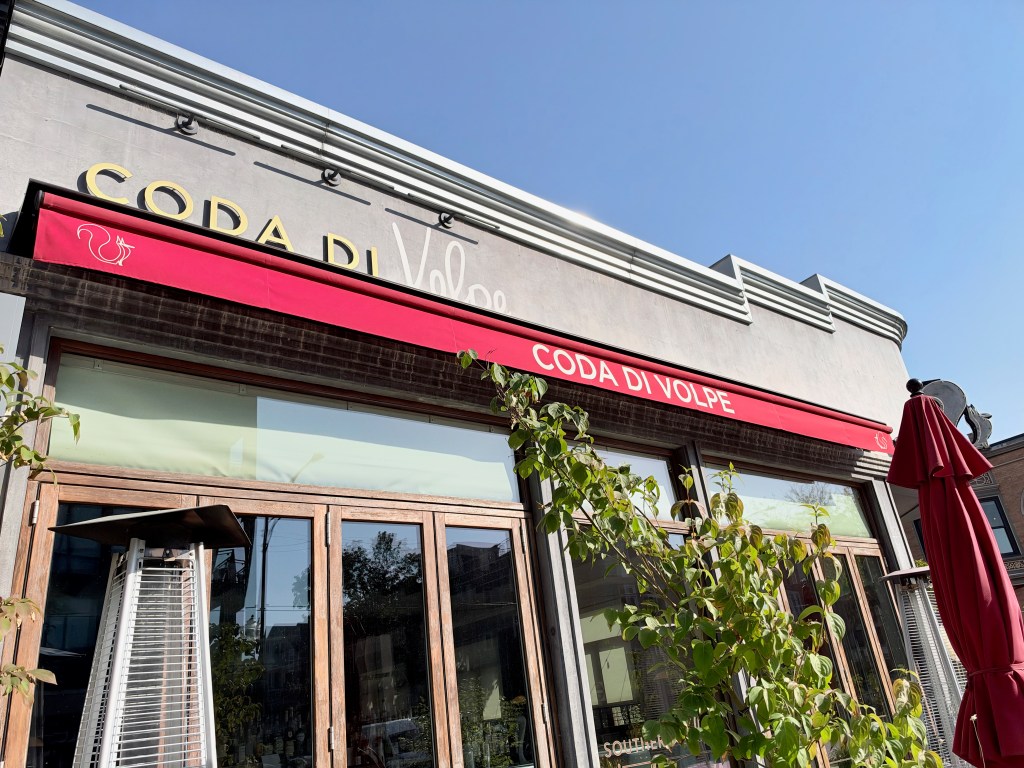
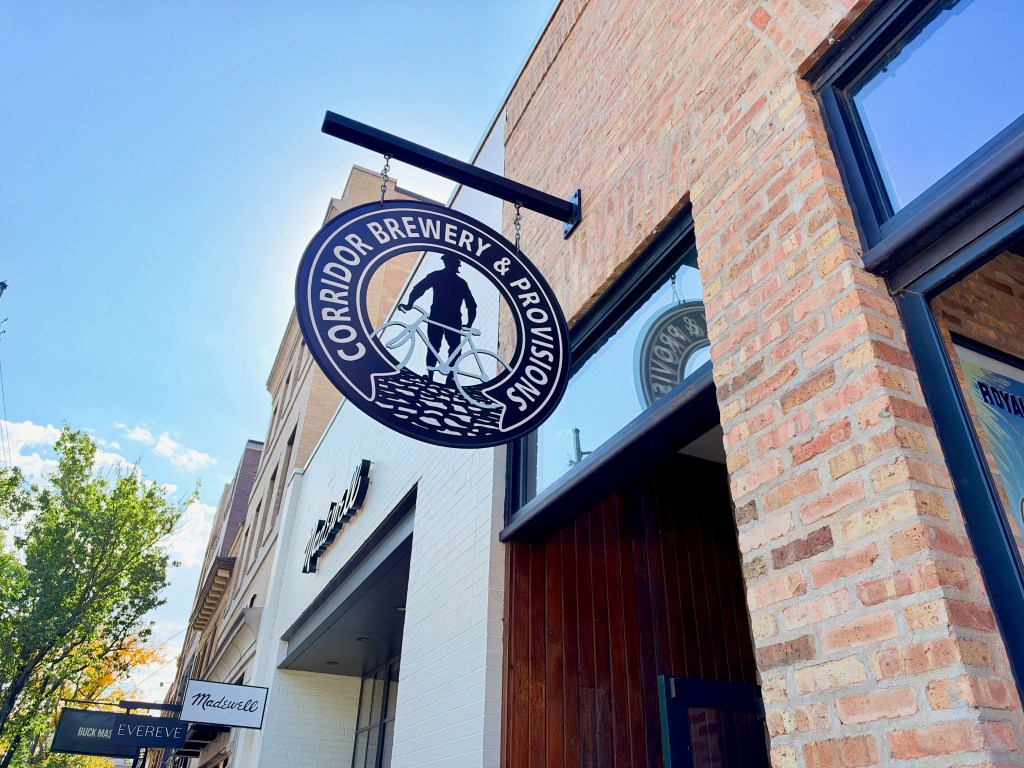
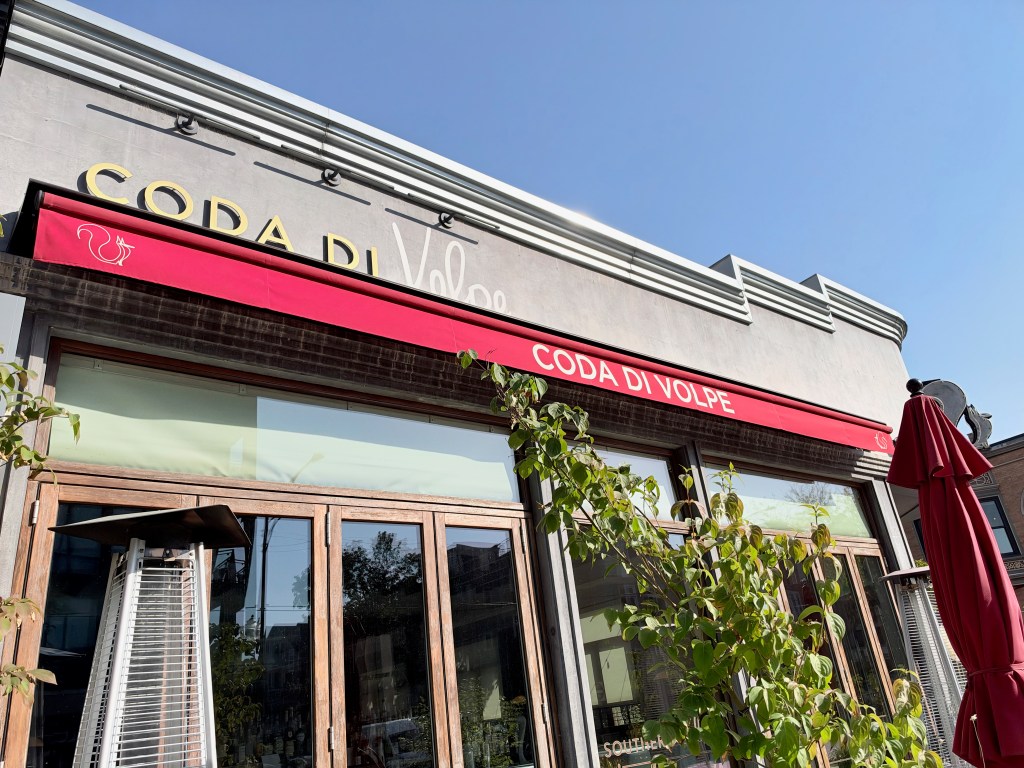
Coda di Volpe, Crosby’s Kitchen, Corridor Brewery & Provisions and other dining establishments have helped establish Southport as a place where shopping is often just one part of a longer afternoon or evening out.
The resulting atmosphere is one of the corridor’s greatest strengths. Visitors can move between clothing stores, neighborhood restaurants, cafes and specialty shops without ever needing to get back into a car.
Cornelia Street to Addison: The Character of Southport Continues
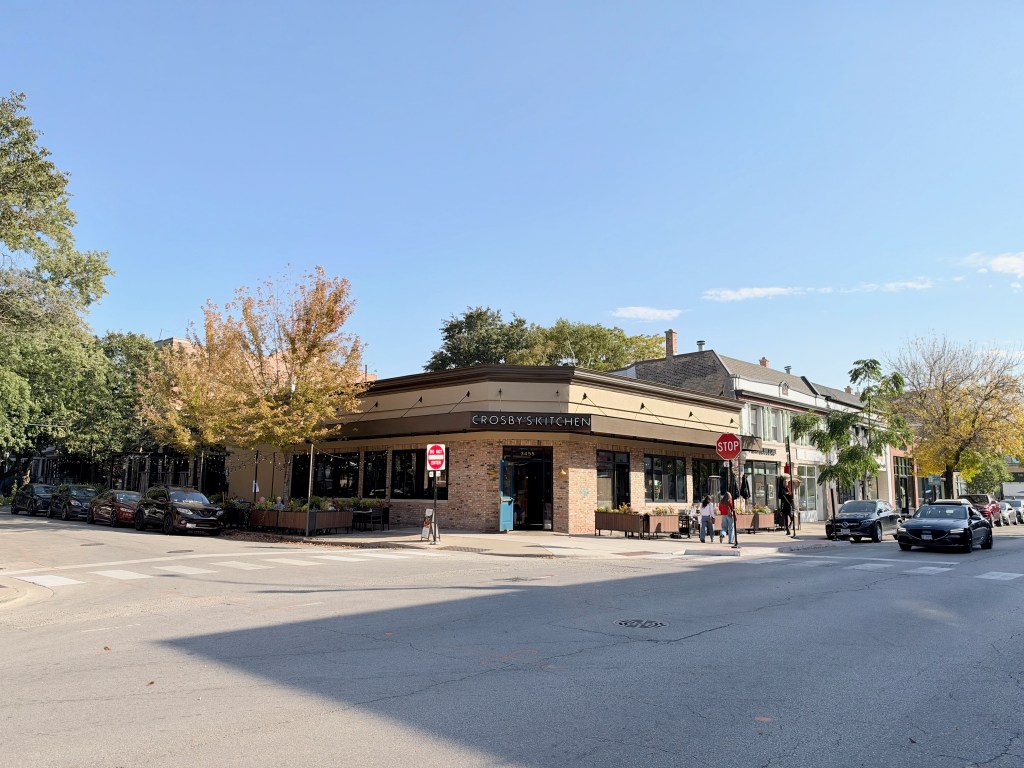
Approaching Cornelia Street, Southport continues to reveal the balance between its historic neighborhood character and its increasingly sophisticated retail mix.
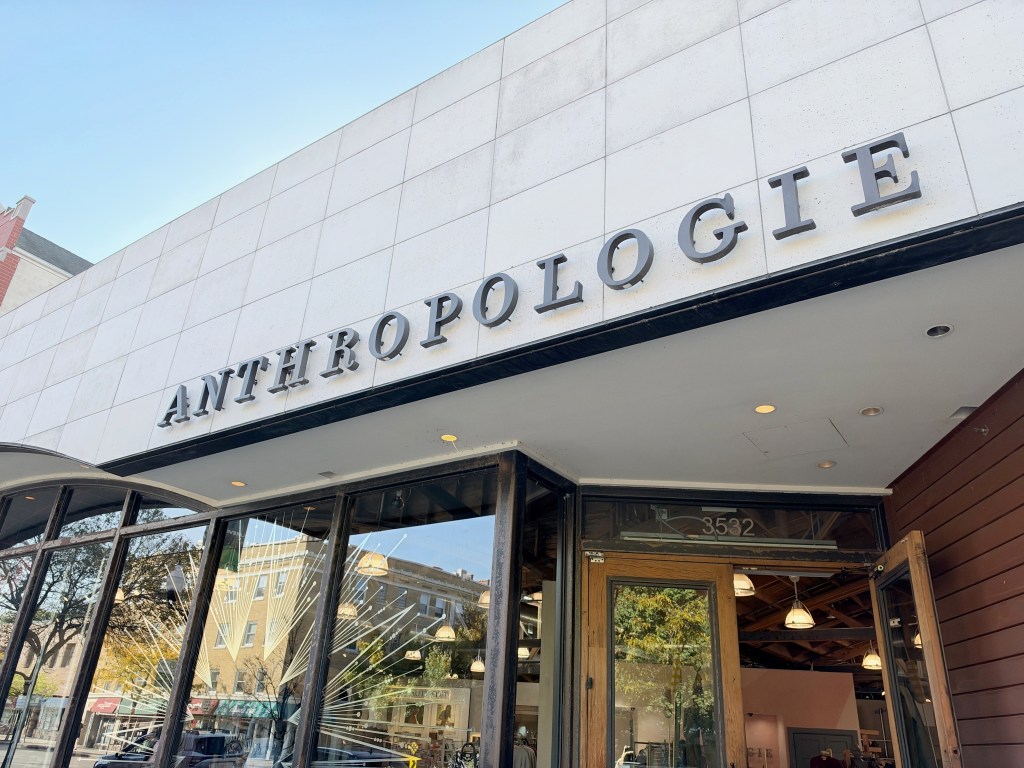
Anthropologie has been a fixture at 3532 N. Southport since 2006, representing one of the earlier major national retail investments that helped shape the corridor’s modern identity.
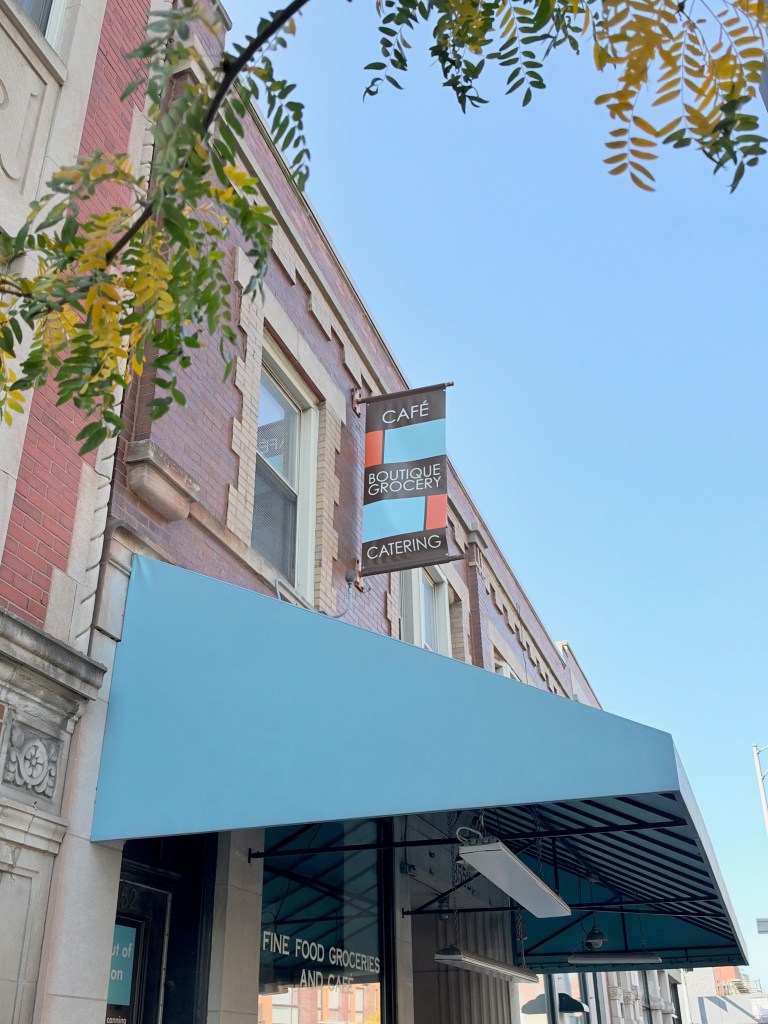
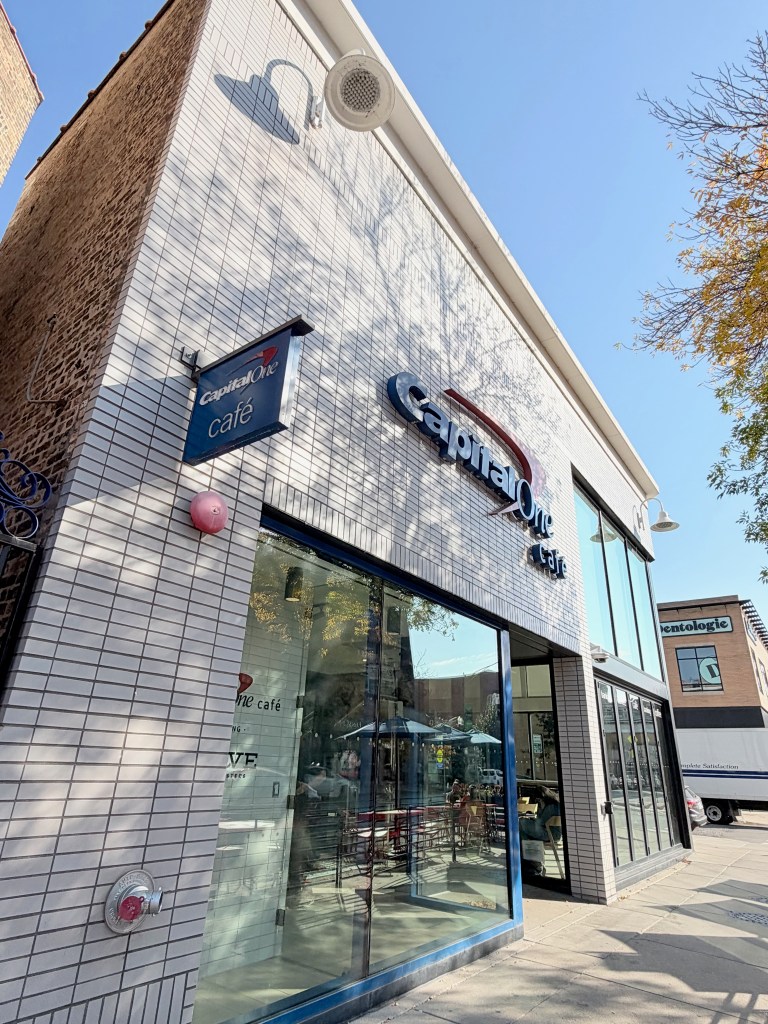
Nearby, Southport Grocery and Cafe, Paper Source and other neighborhood businesses reinforce the range of experiences available along the avenue.
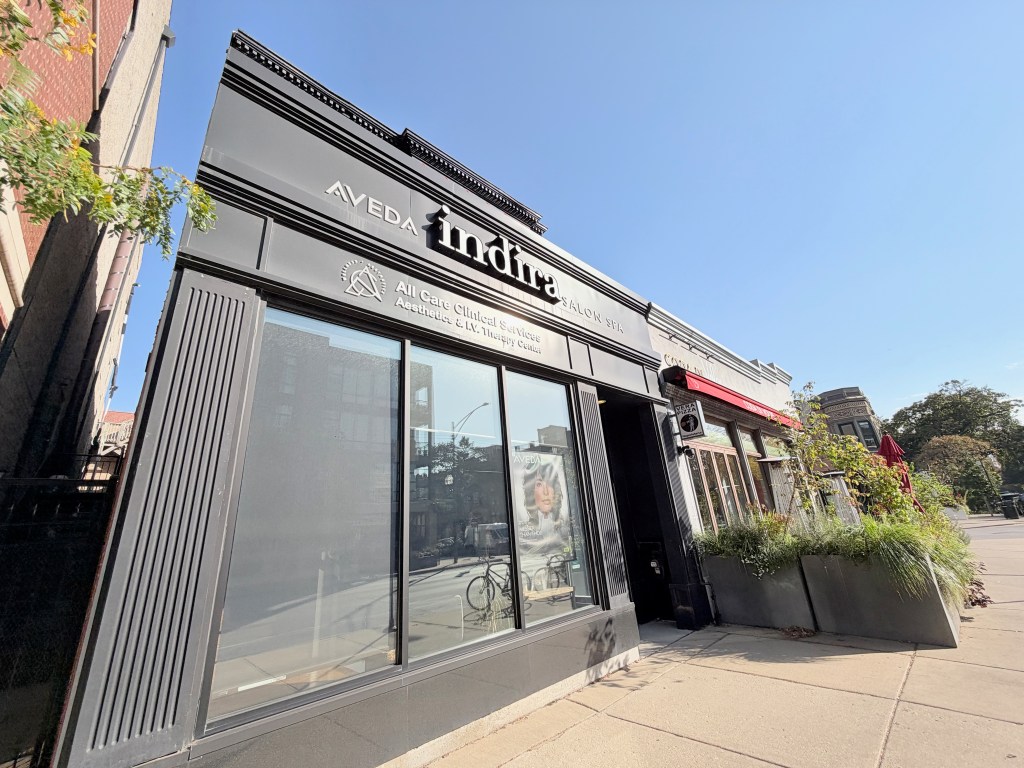
The area also continues to evolve. New retail concepts, boutique openings and changing storefronts reflect the ongoing demand for commercial space along Southport.
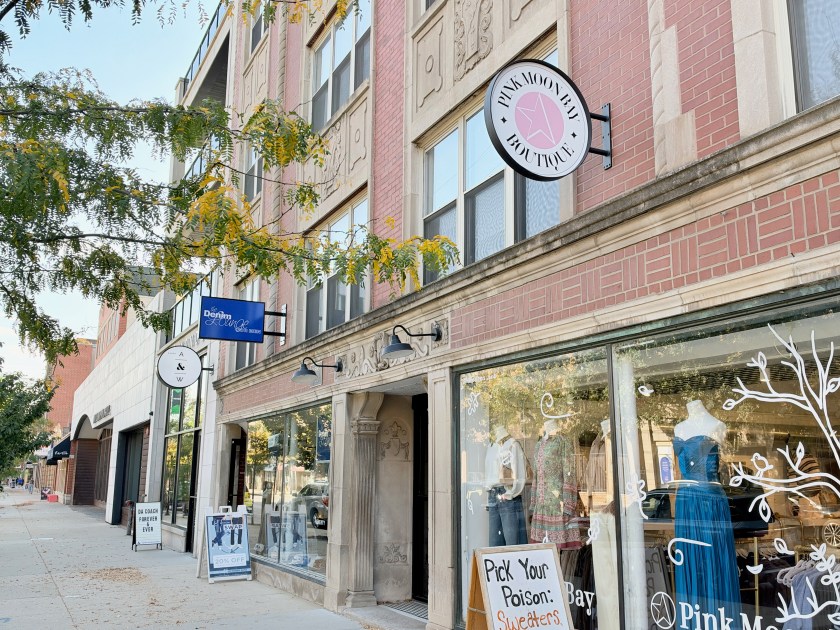
What makes the street interesting isn’t simply which businesses occupy these storefronts in 2026. It’s how the buildings, sidewalks, landscaping and surrounding residential architecture have remained recognizable even as the businesses themselves have changed.
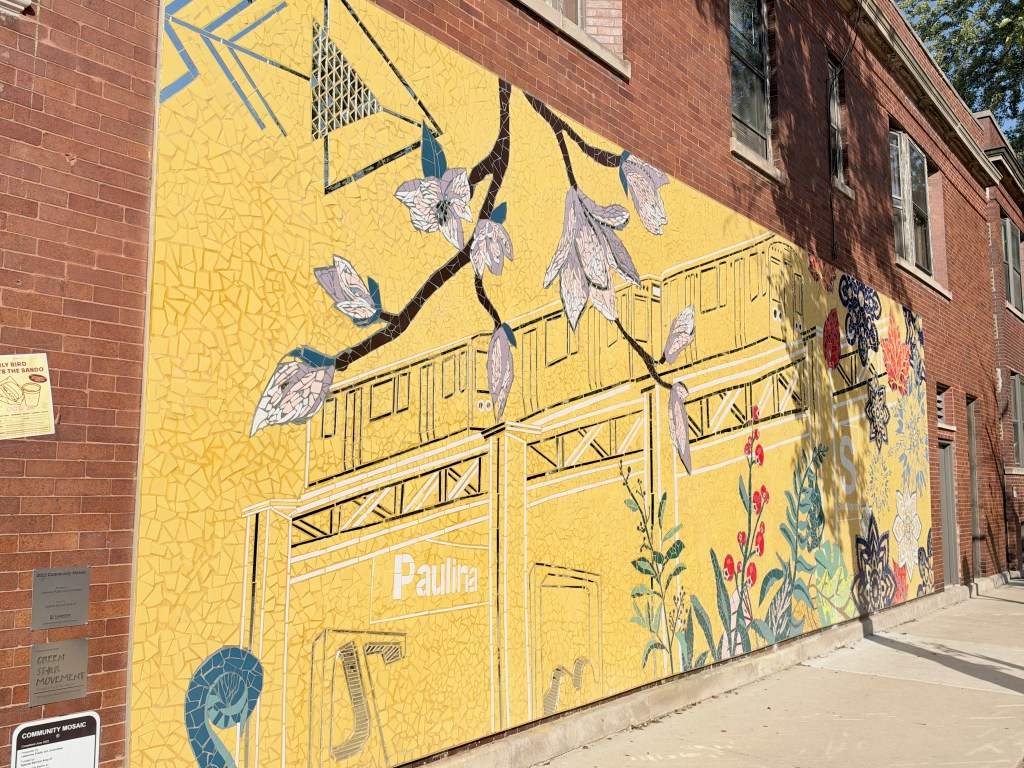
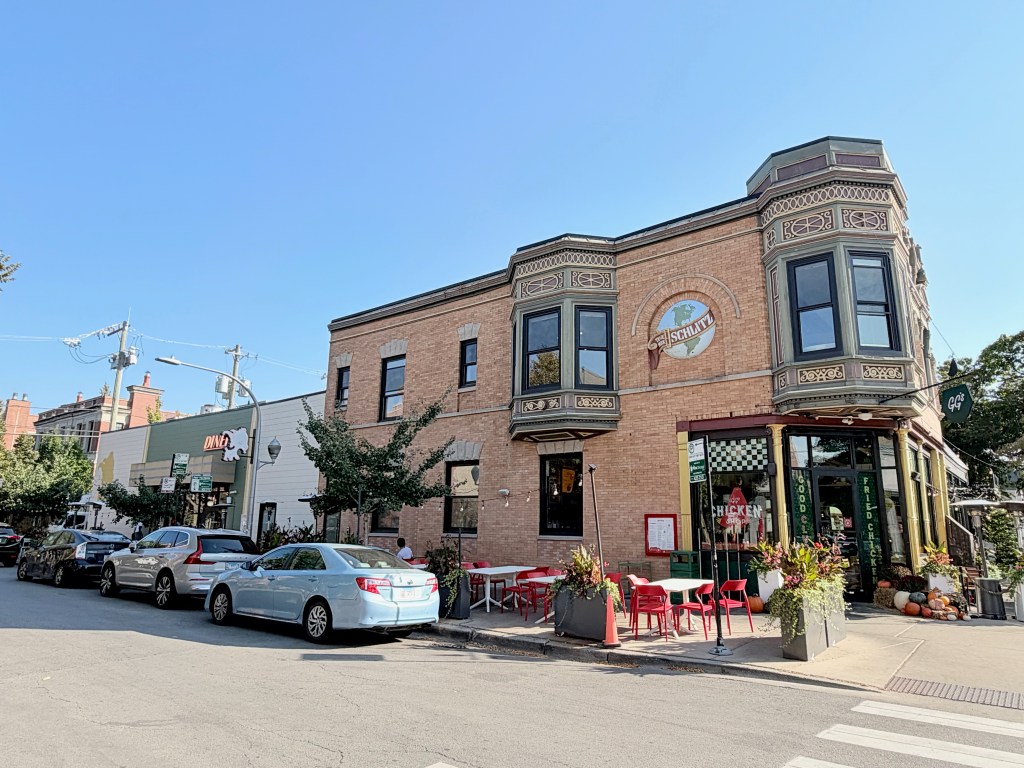
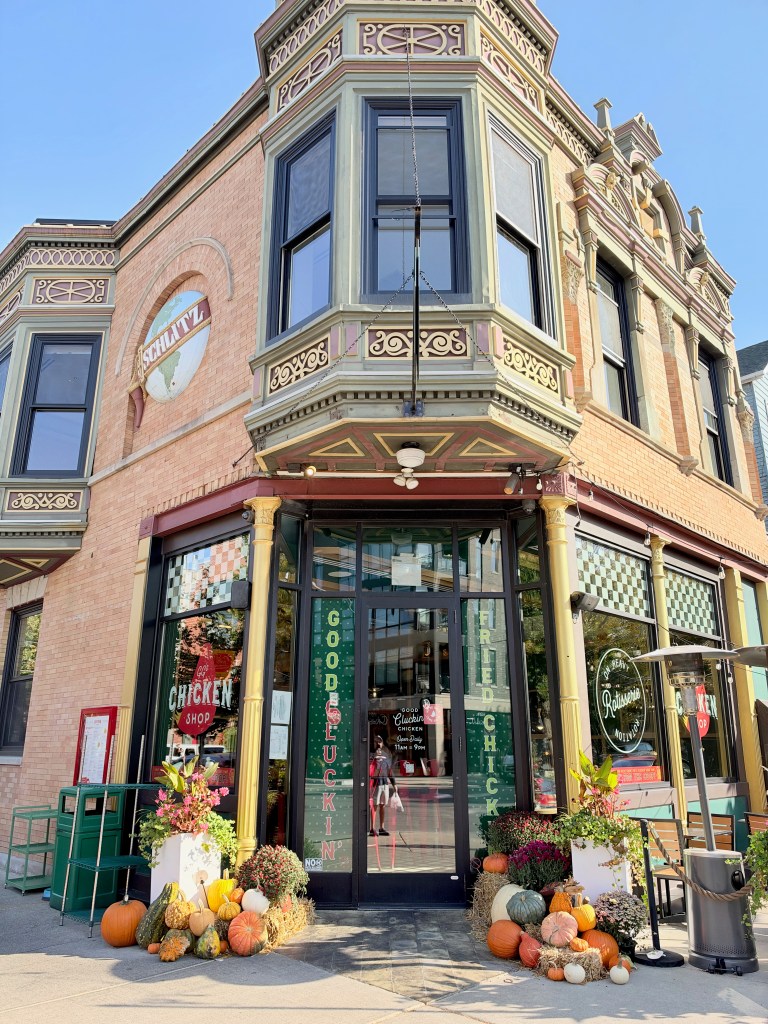
Older brick buildings share the streetscape with renovated retail spaces. Residential side streets are visible at nearly every intersection. Trees soften the commercial environment, and pedestrian activity gives the avenue a welcoming scale.
For those who have lived in Lakeview for decades, many storefronts carry memories of businesses that came before. For newer residents, they represent the neighborhood as it exists today.
Both perspectives are part of Southport’s story.

The Northern End of Our Tour: Southport and Addison
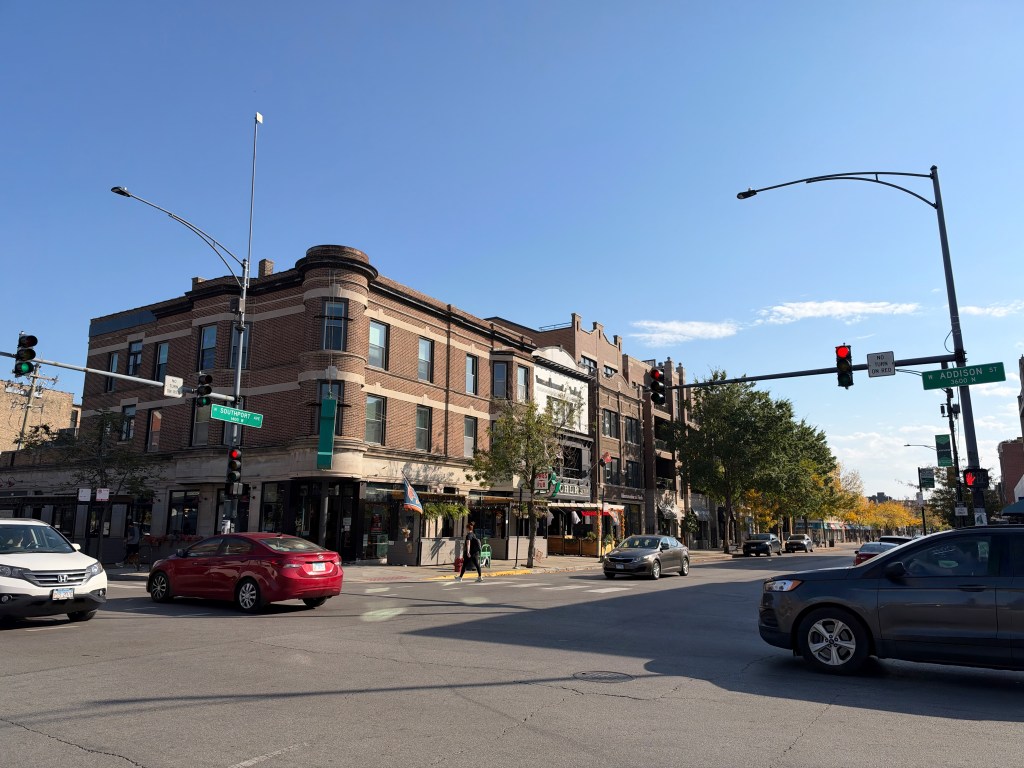
Our walking tour concludes at Addison Street, one of the most important intersections in the Southport Corridor.
The intersection is also the site of one of the neighborhood’s more significant redevelopment projects.
At 3600 N. Southport, the former Fifth Third Bank property is being replaced by a planned four-story mixed-use development featuring approximately 6,250 square feet of ground-floor retail and 10 residential units above.
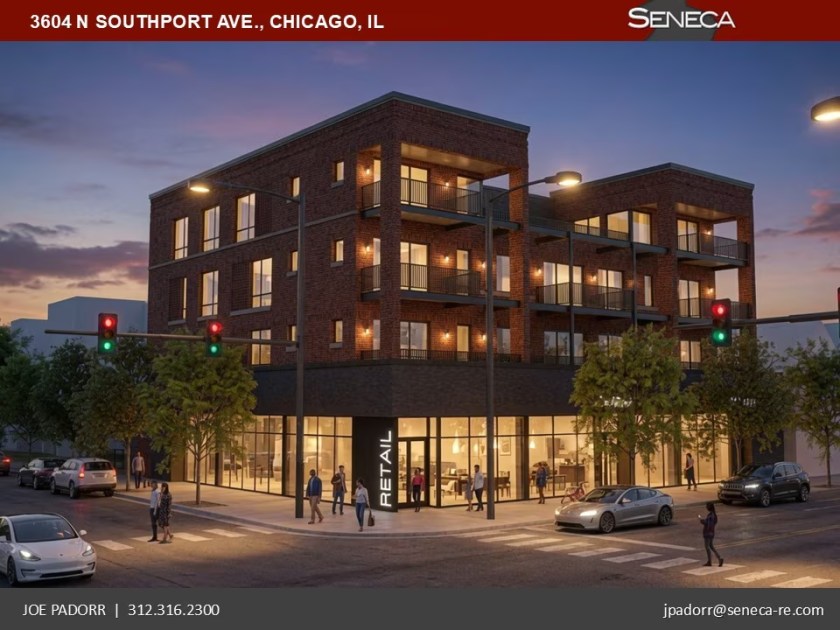
The new commercial space is being marketed to retailers seeking a presence in the Southport Corridor. The project has previously been targeted for completion in 2027, although construction schedules and tenant plans can change.
The development represents something increasingly uncommon along Southport: the opportunity to introduce substantial new retail space into an already established shopping district.
It also raises an interesting question about the avenue’s future.
As more national retailers discover Southport and available storefronts become harder to find, how will the neighborhood balance continued commercial investment with the smaller, independent businesses that helped create its identity?
That question will likely shape the corridor throughout the remainder of the decade.
How Southport Avenue Has Changed Over the Past 20 Years
The photographs in this tour capture Southport in October 2026, but the avenue’s transformation has taken place over several decades.
Twenty years ago, Southport was already a desirable neighborhood shopping street, though its retail mix leaned more heavily toward independent boutiques, restaurants and local service businesses.
Over time, larger national brands began recognizing the advantages of the location: an established residential population, convenient public transportation, attractive architecture and a shopping environment that encouraged visitors to explore multiple stores.
Anthropologie’s arrival in 2006 was an important early milestone. More national retailers followed as Southport became increasingly recognized beyond Lakeview.
By the mid-2020s, the street had developed into a major destination for apparel, activewear, beauty and lifestyle shopping.
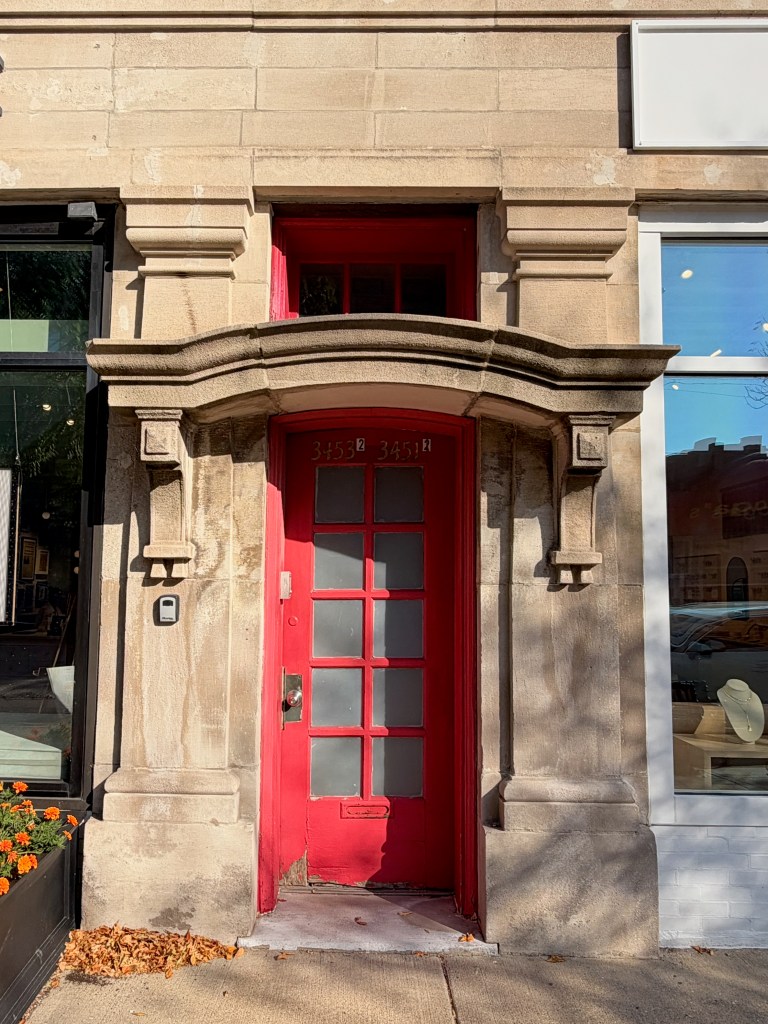
Yet much of the built environment continues to reflect the Chicago neighborhood that existed before those brands arrived.
The smaller storefronts, brick buildings, residential side streets and human-scale architecture remain important parts of the experience.
Southport has changed considerably, but it hasn’t become a conventional shopping mall. It remains a neighborhood street first.
Why the Southport Corridor Is One of Chicago’s Most Walkable Shopping Districts
One of the reasons Southport attracts residents and visitors is its convenience.
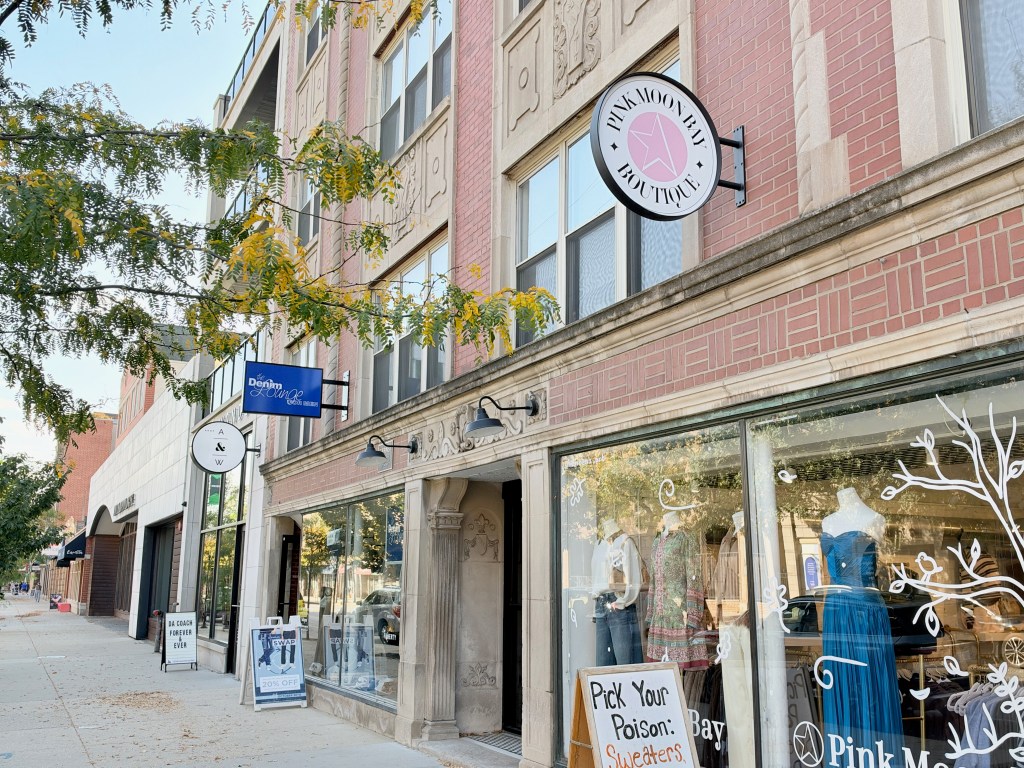
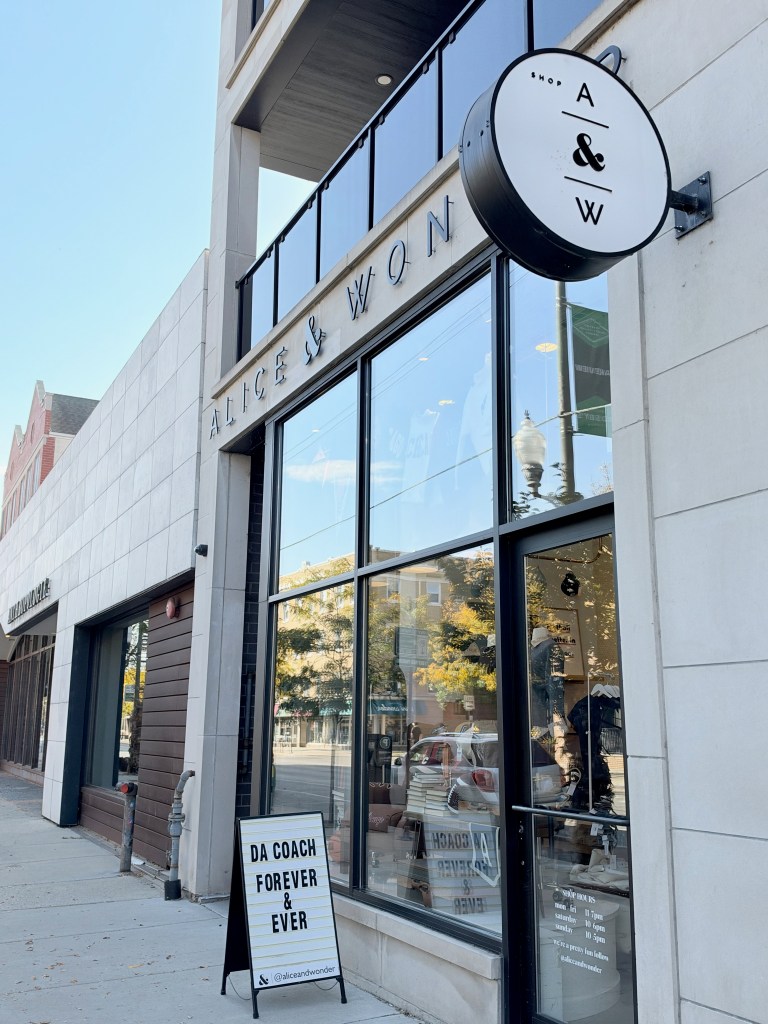
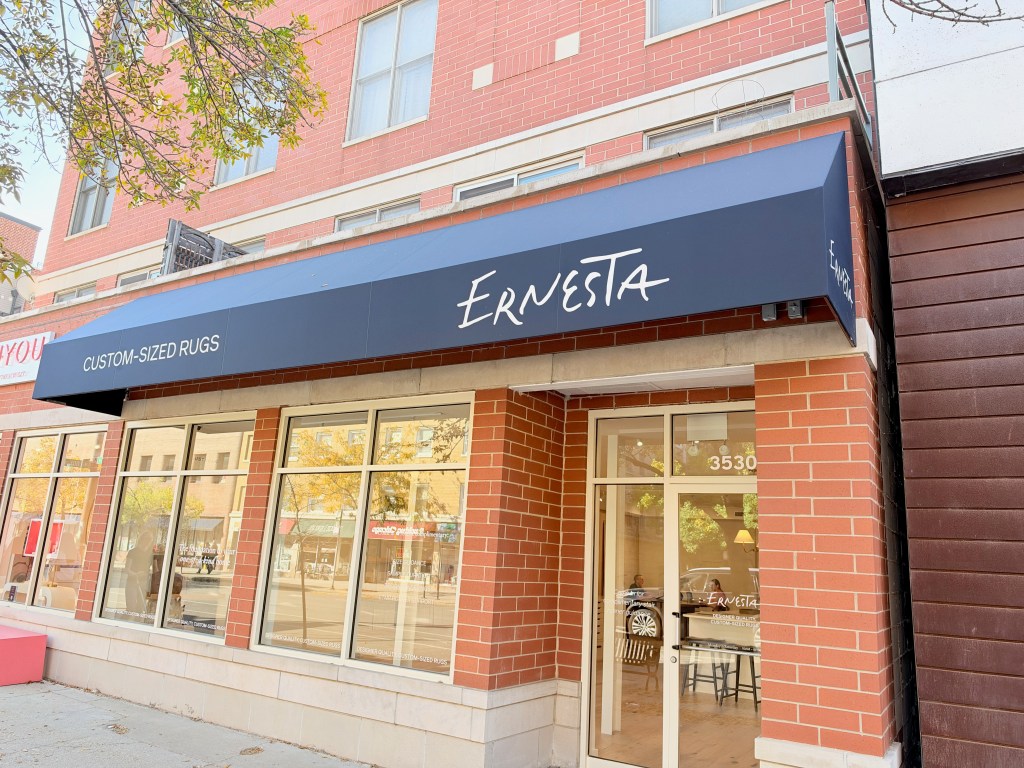
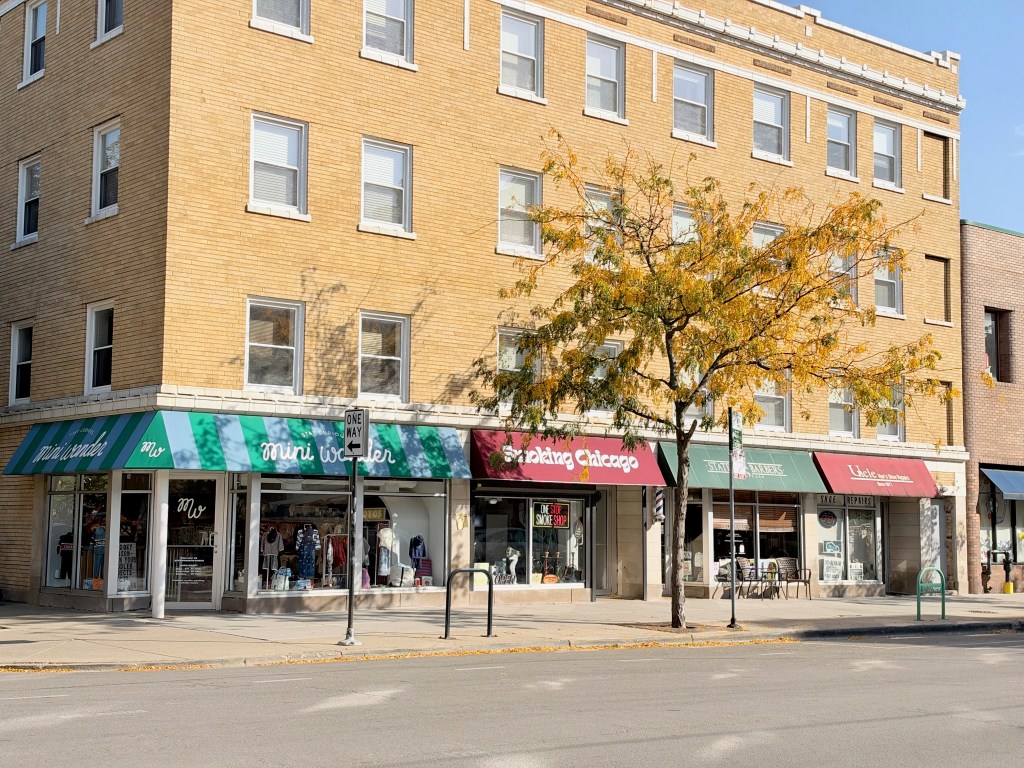
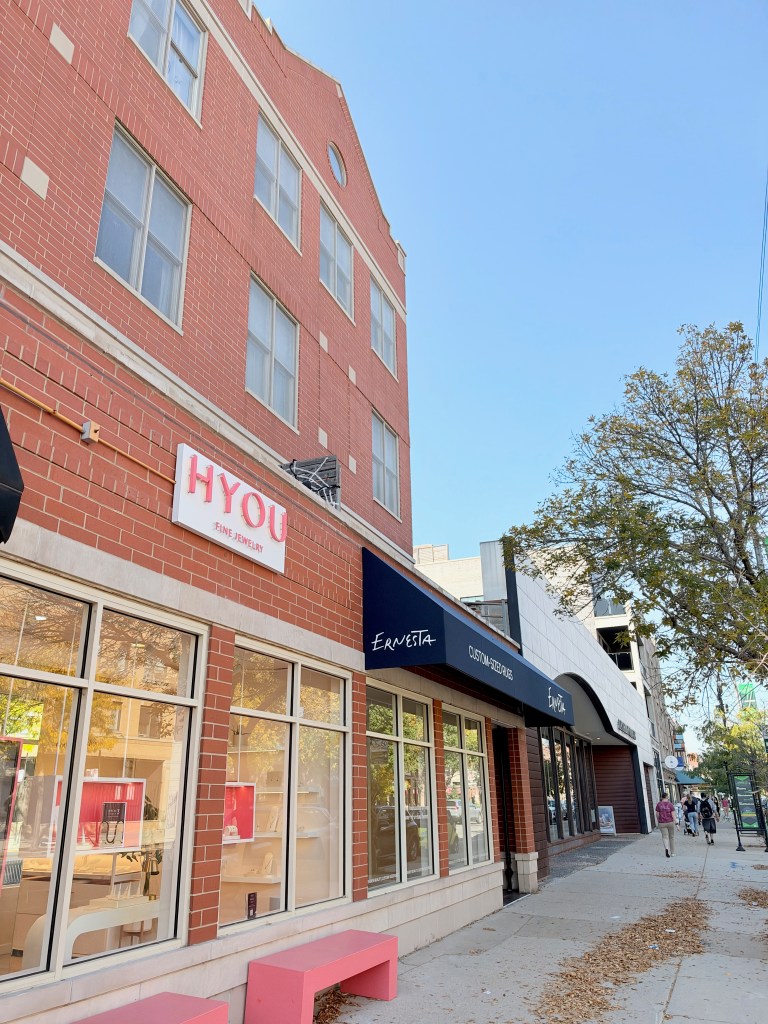
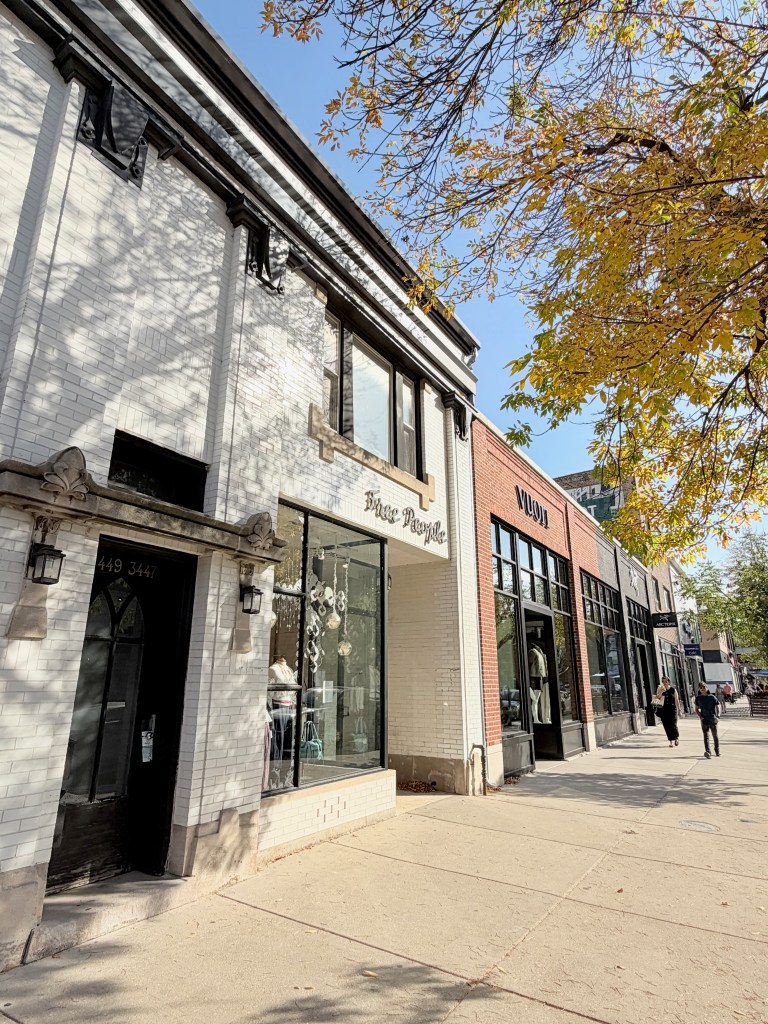
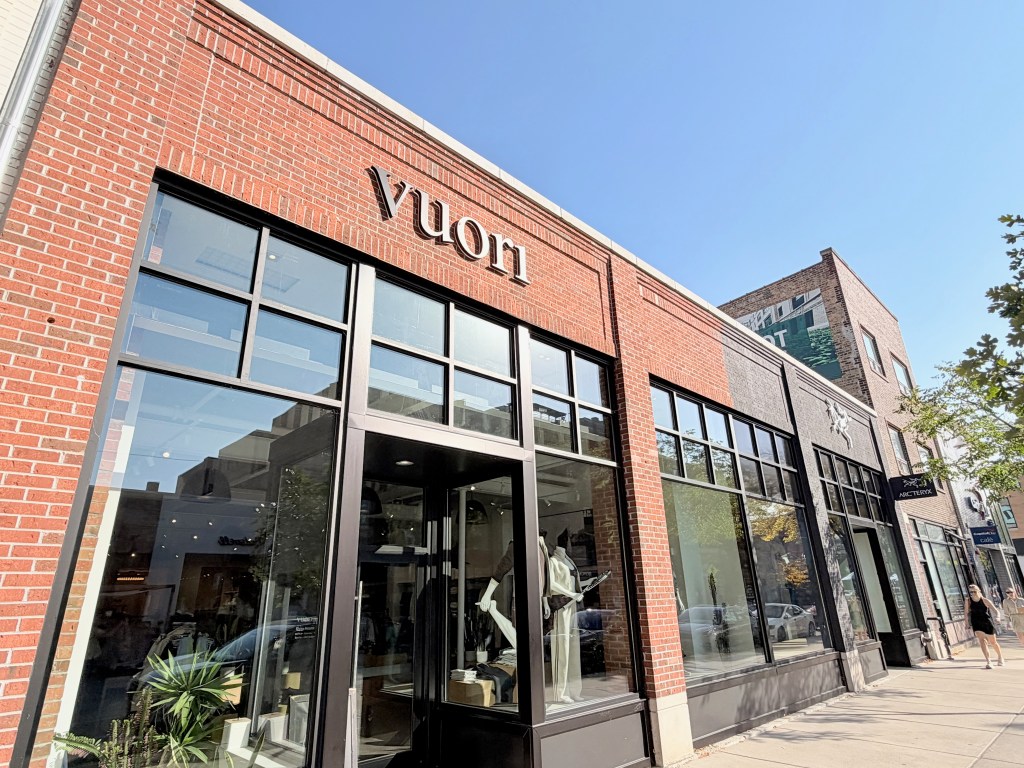
Within a relatively short walk, people can browse national fashion retailers, discover independent businesses, enjoy a meal, visit a coffee shop or explore nearby residential streets.
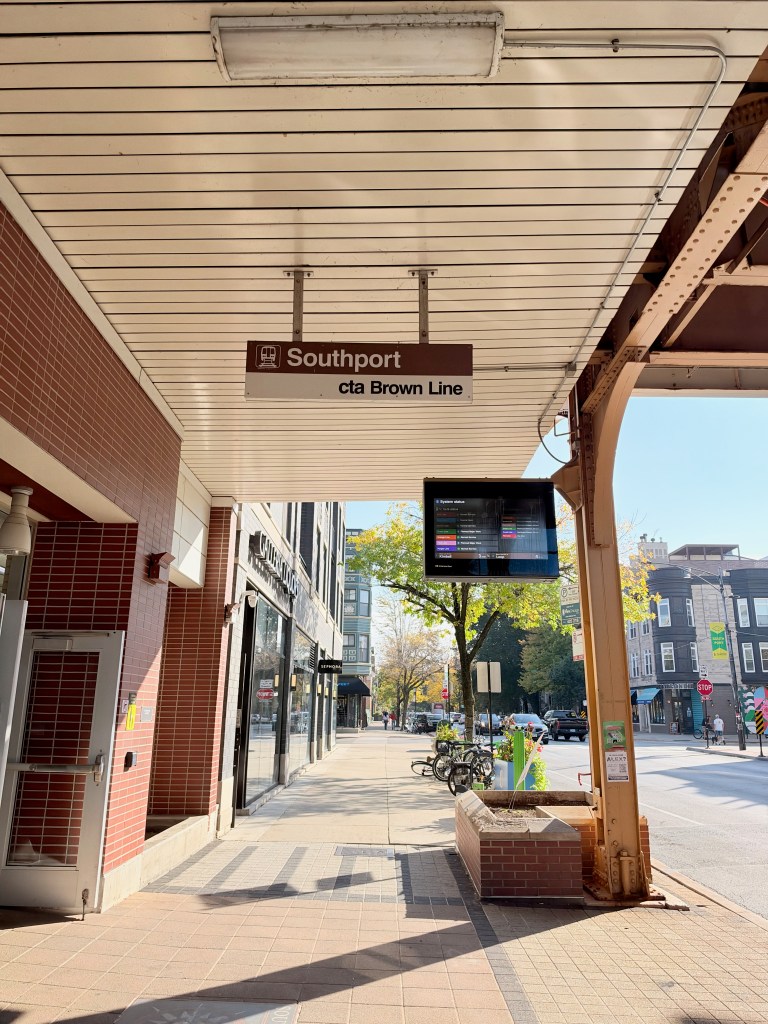
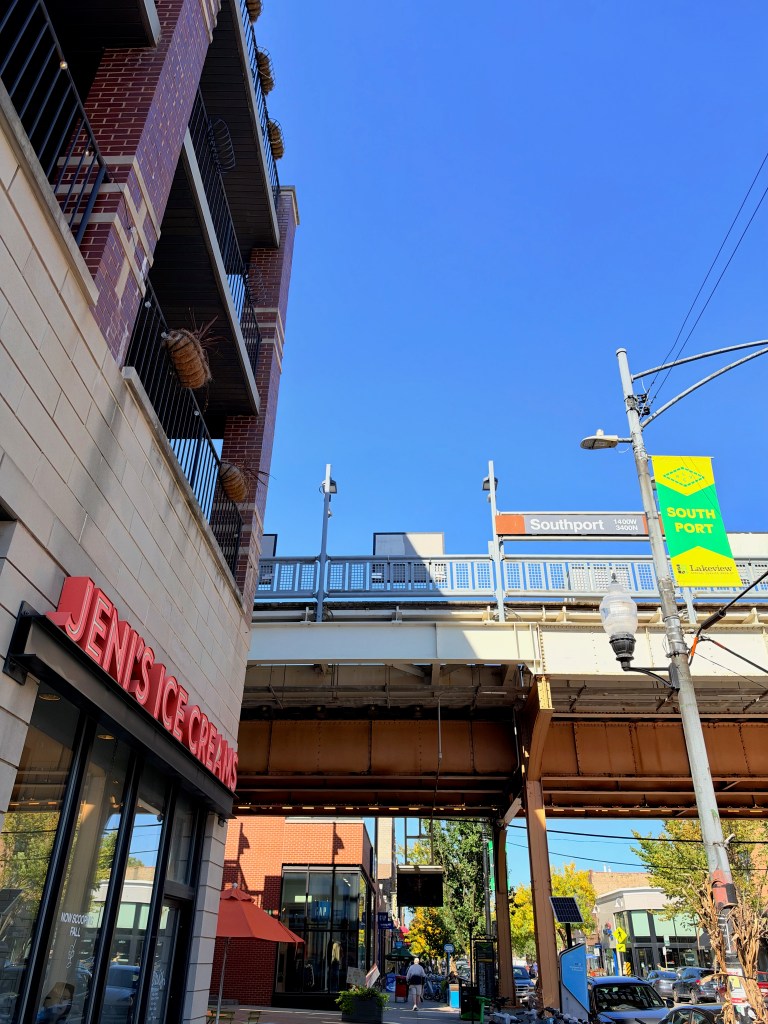
The CTA Brown Line’s Southport station, near Roscoe Street, provides convenient public transportation access. The Addison Brown Line station is located just west of Southport’s northern retail blocks.
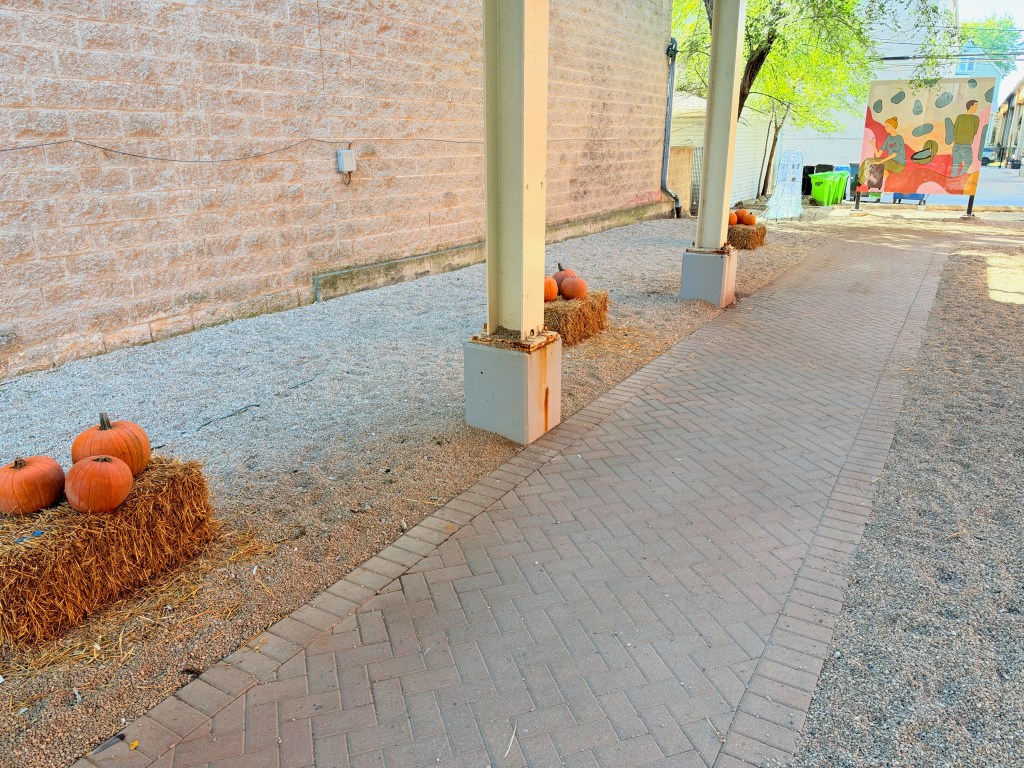
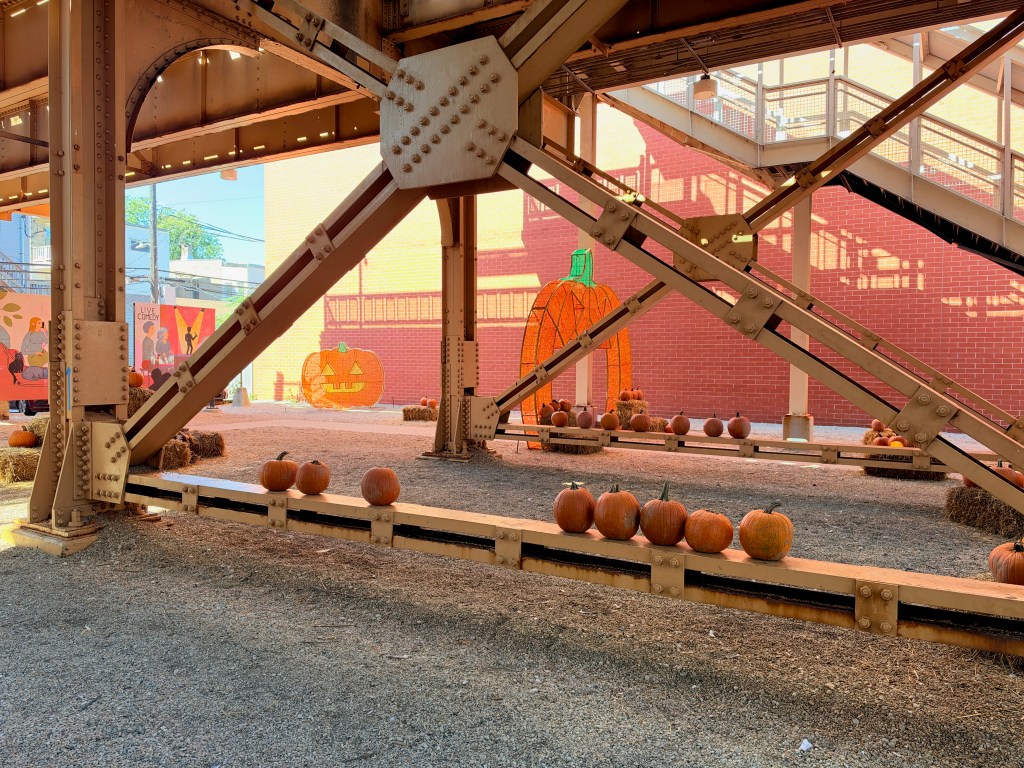
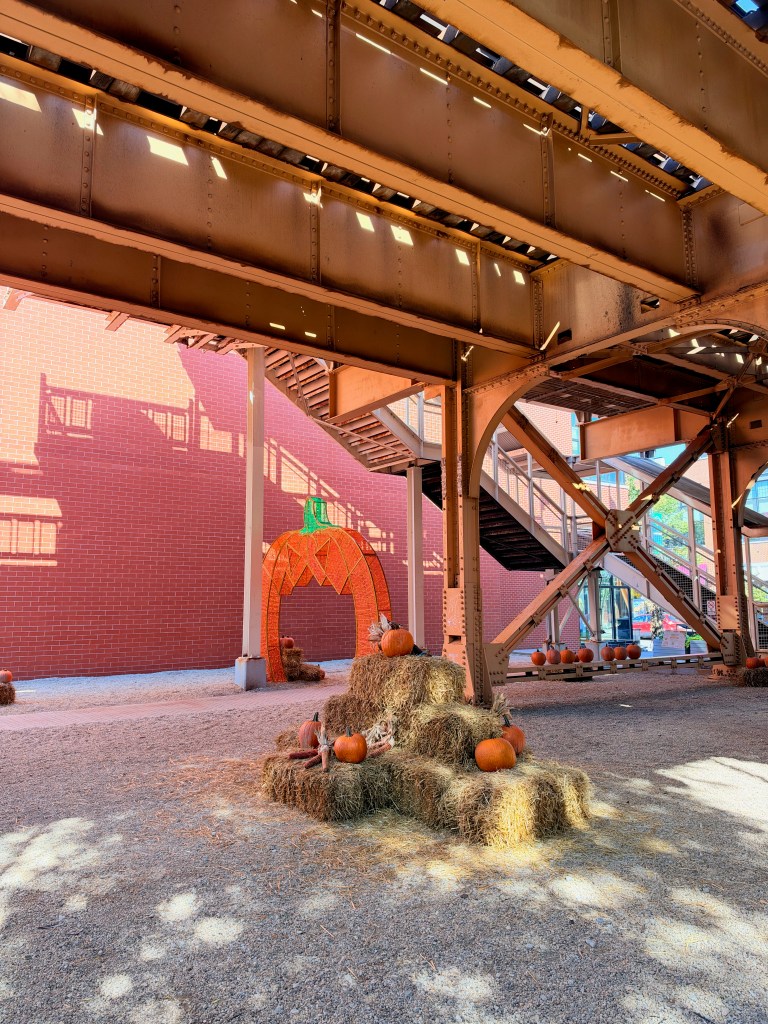
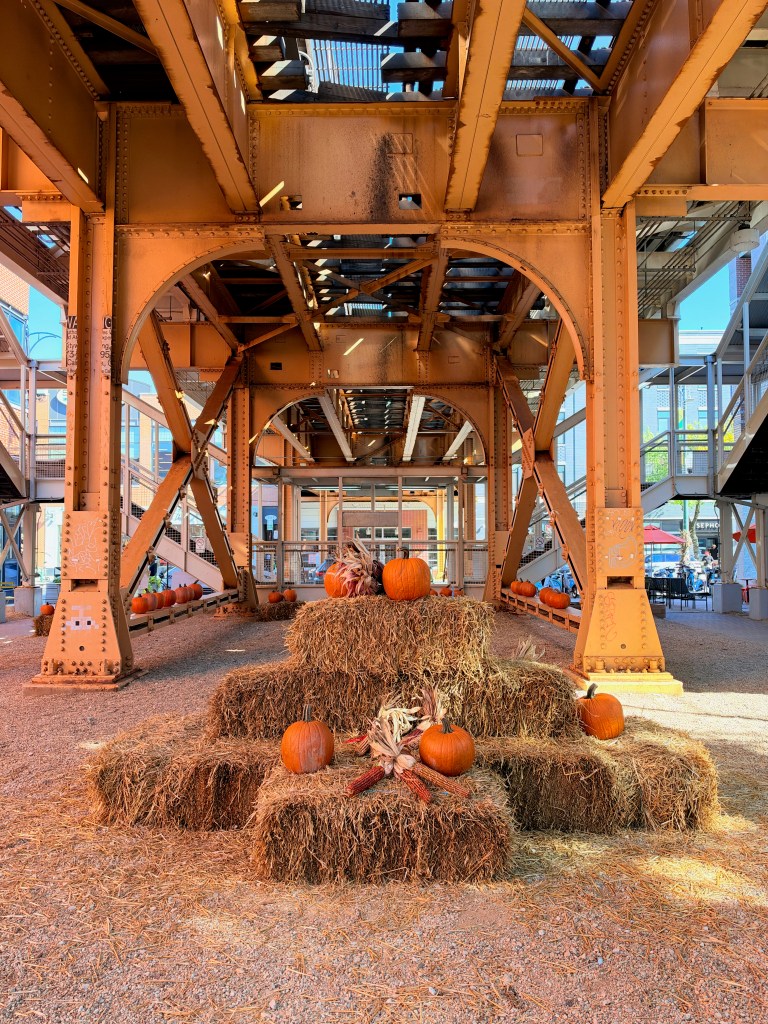
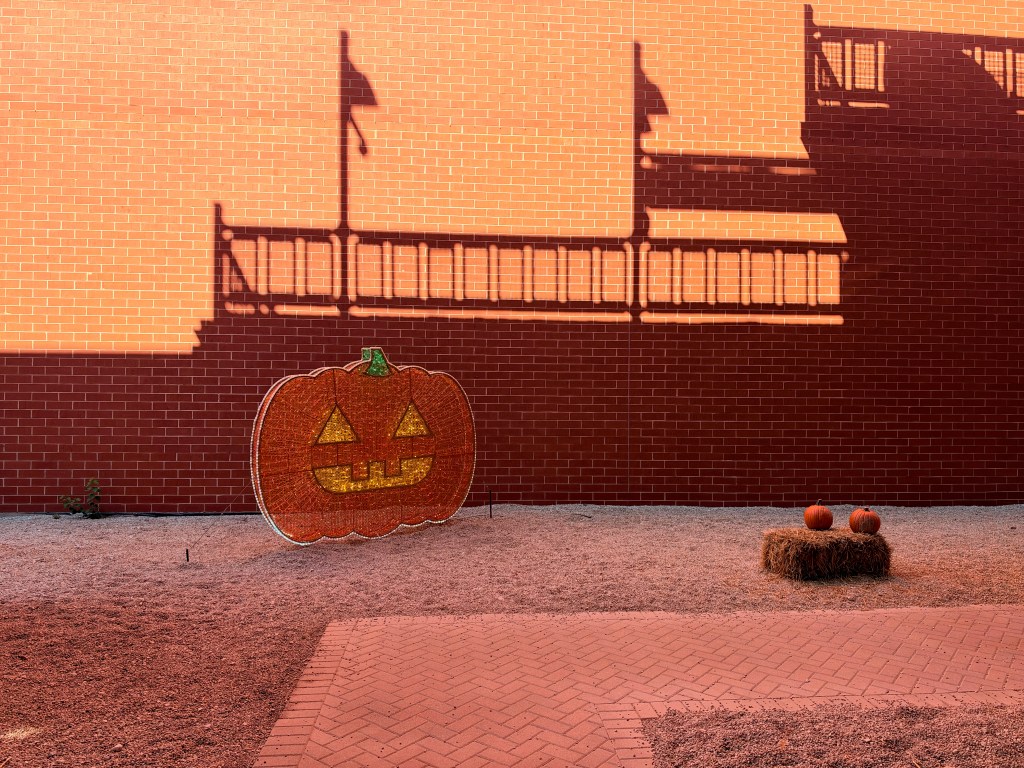
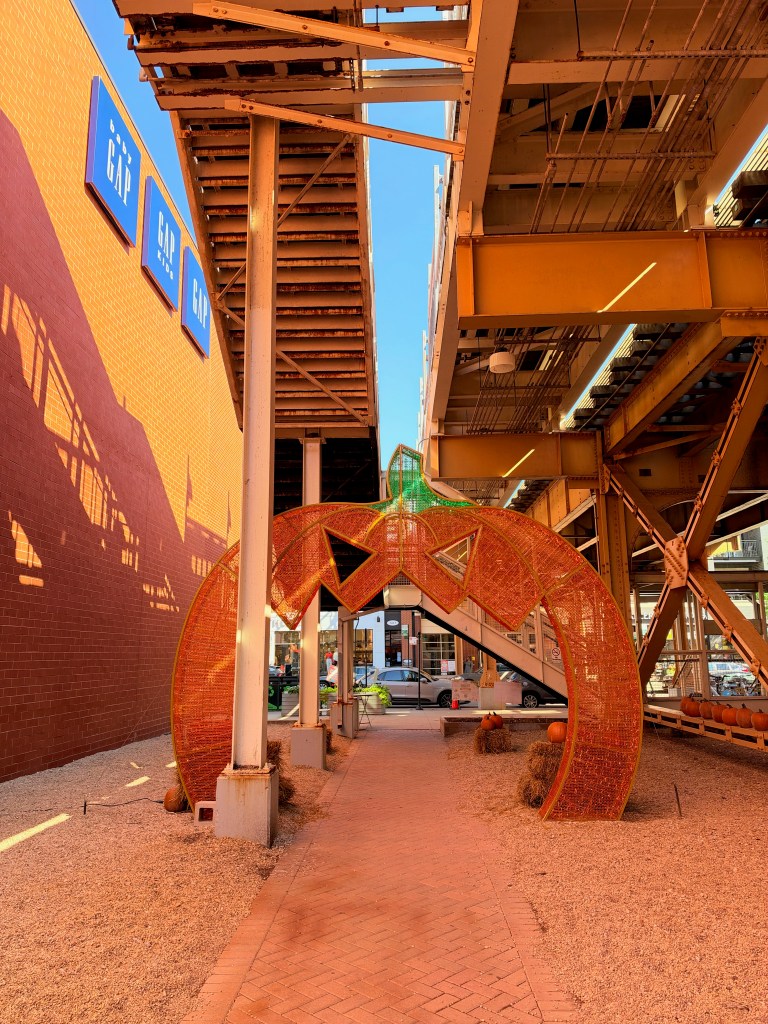
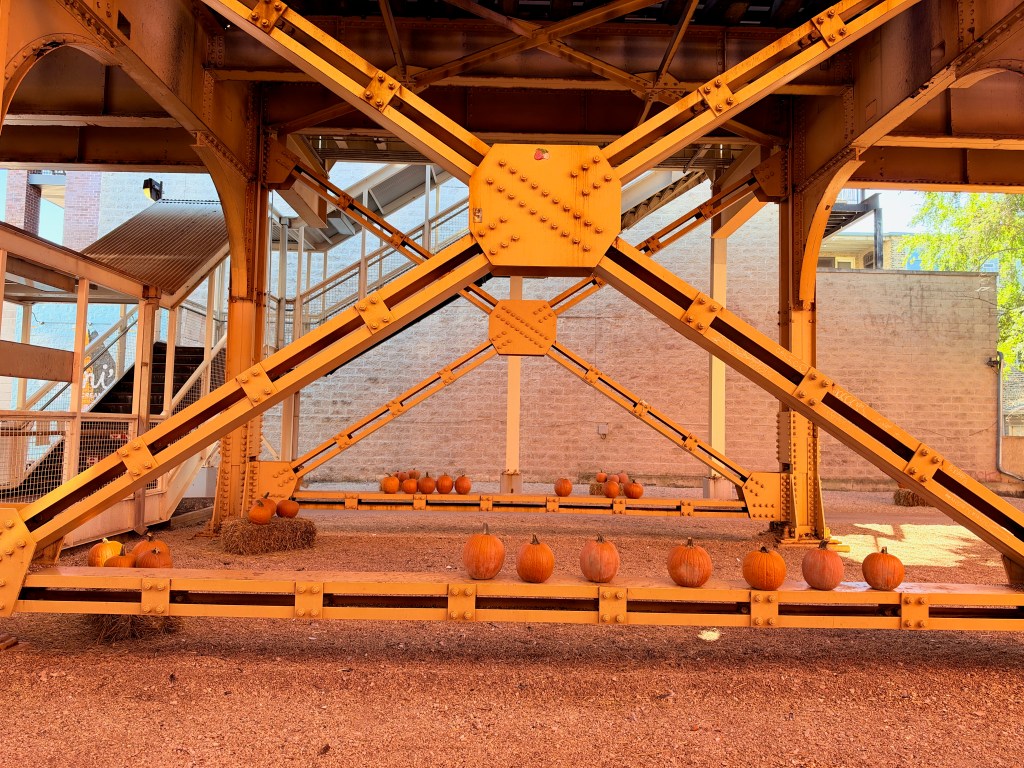
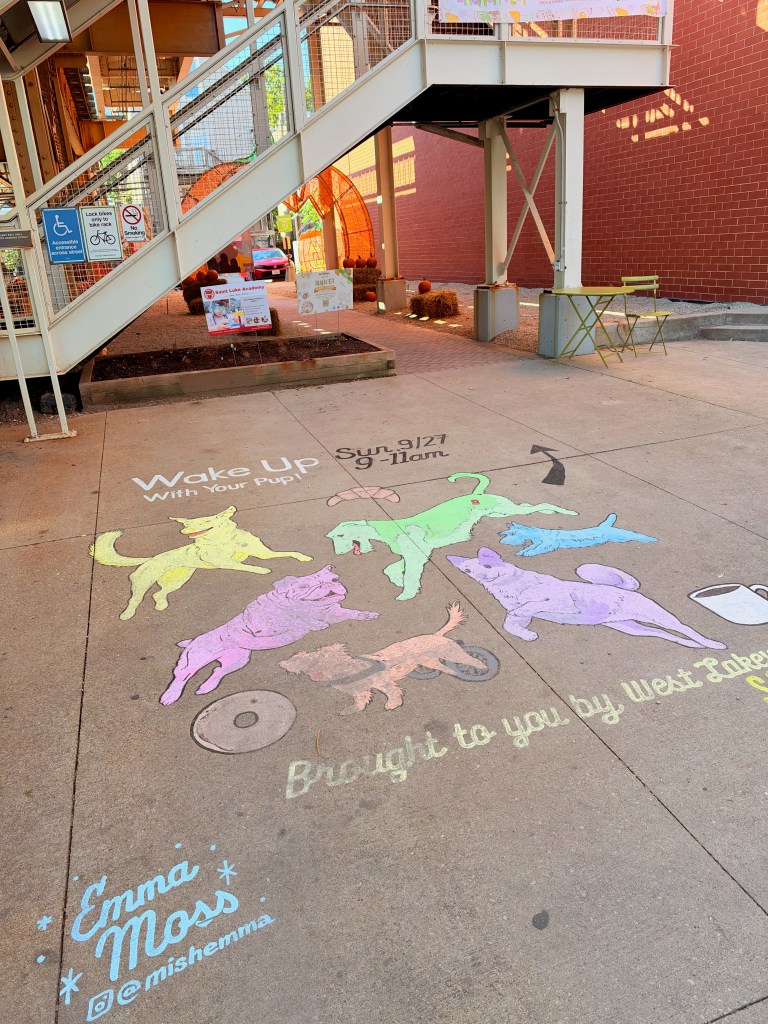
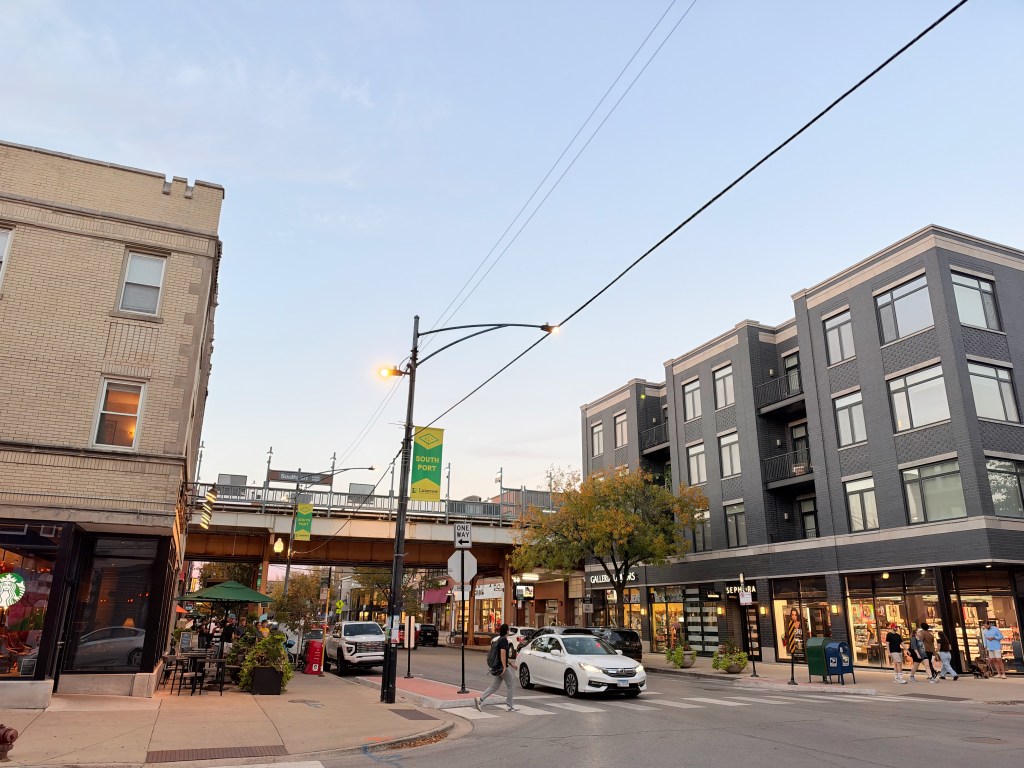
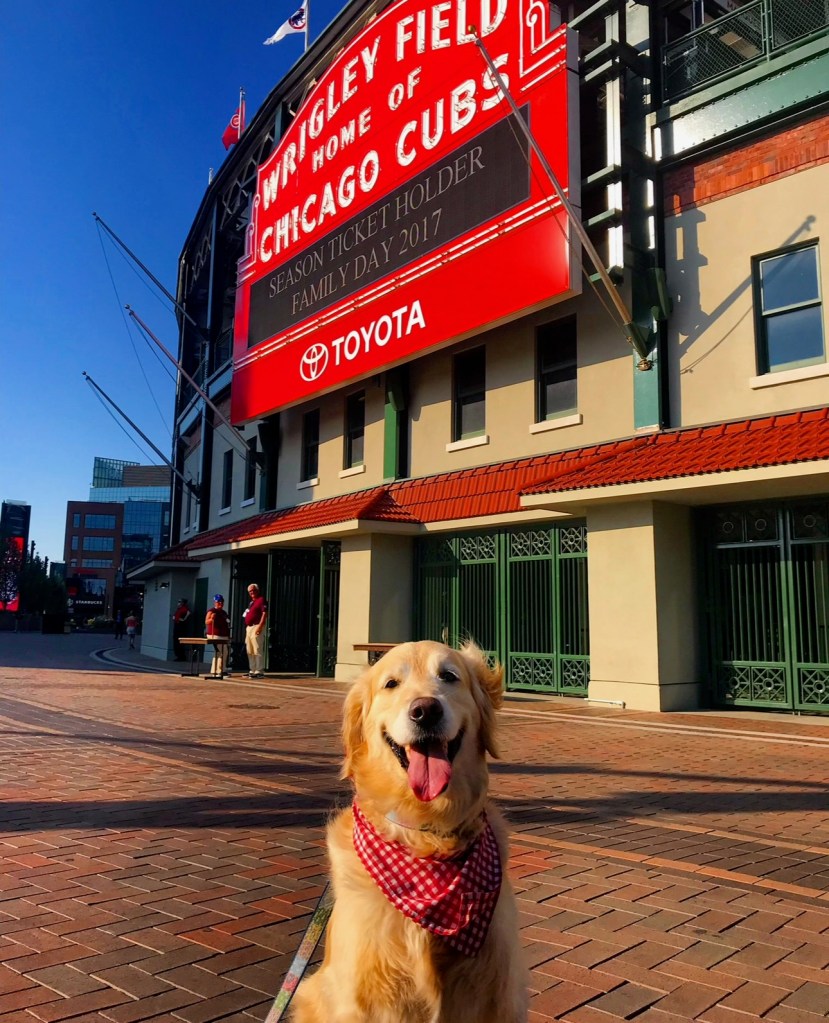
Wrigley Field and the surrounding Wrigleyville neighborhood are also nearby, giving visitors another reason to explore this part of Lakeview.
Southport’s restaurants, patios and neighborhood gathering places encourage visitors to spend time in the area rather than simply complete a shopping trip.
The broader corridor also extends beyond our photographed route. Farther north, the historic Music Box Theatre at 3733 N. Southport has been an independently operated cultural landmark since opening in 1929, adding another distinctive dimension to the neighborhood.
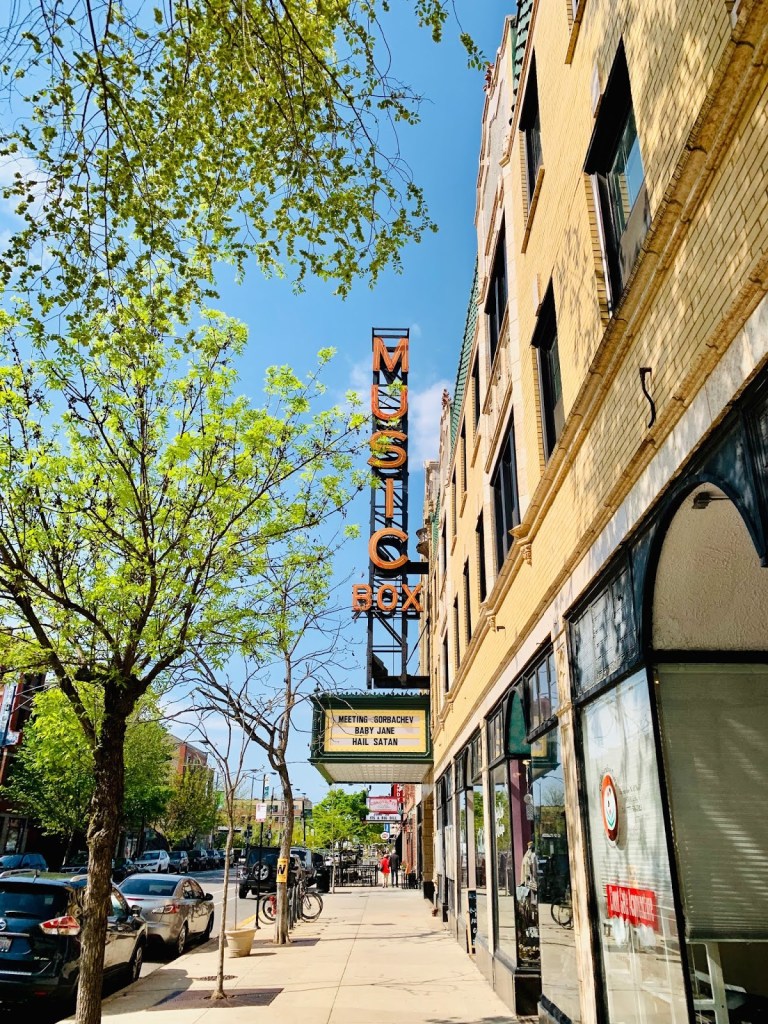
Taken together, these amenities explain why Southport appeals to both longtime Chicago residents and visitors discovering the area for the first time.
A Neighborhood That Continues to Evolve
Looking at Southport Avenue in 2026, it’s easy to understand why the neighborhood continues to attract attention from retailers, restaurant operators, residents and real estate investors.
The corridor combines desirable residential streets with an established retail destination, strong transit access and a recognizable neighborhood identity.
New businesses will continue to arrive. Some familiar storefronts will change hands. Redevelopment projects will introduce new buildings and opportunities.
But the most important elements of Southport’s character aren’t necessarily the names above the storefronts.
They’re the people walking their dogs, the families visiting local shops, the neighbors meeting for coffee, the restaurants filling up on a Friday evening and the historic buildings that have watched generations of Chicagoans come and go.
That’s what makes the Southport Corridor more than a collection of stores.
It’s a neighborhood that people live in, walk through, gather in and return to.
And in a city known for its distinctive neighborhoods, Southport continues to stand out.
Explore the Southport Corridor in Chicago
Whether you’re visiting Chicago, considering a move to Lakeview or rediscovering a neighborhood you’ve known for years, Southport Avenue offers a uniquely Chicago experience.
Our October 2026 walking tour captures approximately four blocks of the corridor, from the 3200 block near Belmont Avenue north to Addison Street.
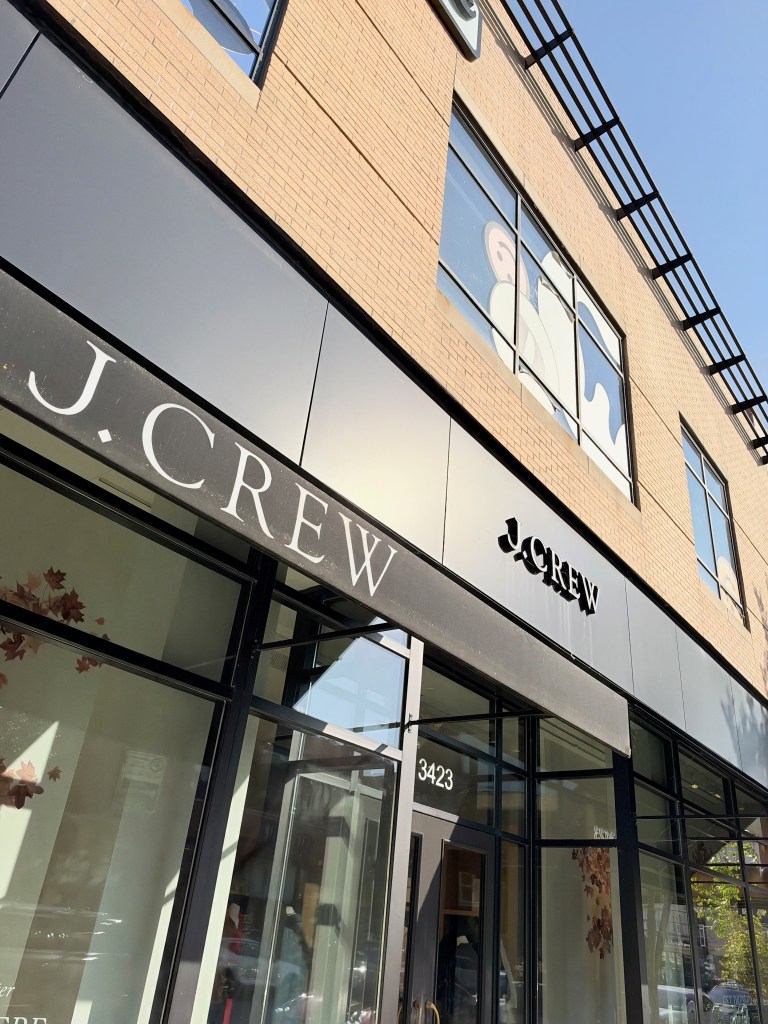
The photographs document a moment in Southport’s ongoing evolution — a neighborhood balancing its historic character with a growing collection of modern retailers, restaurants and new development.
What is your favorite part of Southport Avenue? Is there a business you miss, a favorite restaurant, or a storefront you’d love to see open in the coming years? Share your thoughts in the comments.
All photographs: Southport Corridor Chicago, October 2026.

