
From national fashion brands and independent boutiques to million-dollar homes and limited retail availability, Chicago’s Southport Corridor is entering another period of transformation. Here’s where the neighborhood stands in 2026—and where it could be headed over the next two, four, and six years.
Walk down Southport Avenue today, and the changes are difficult to miss.
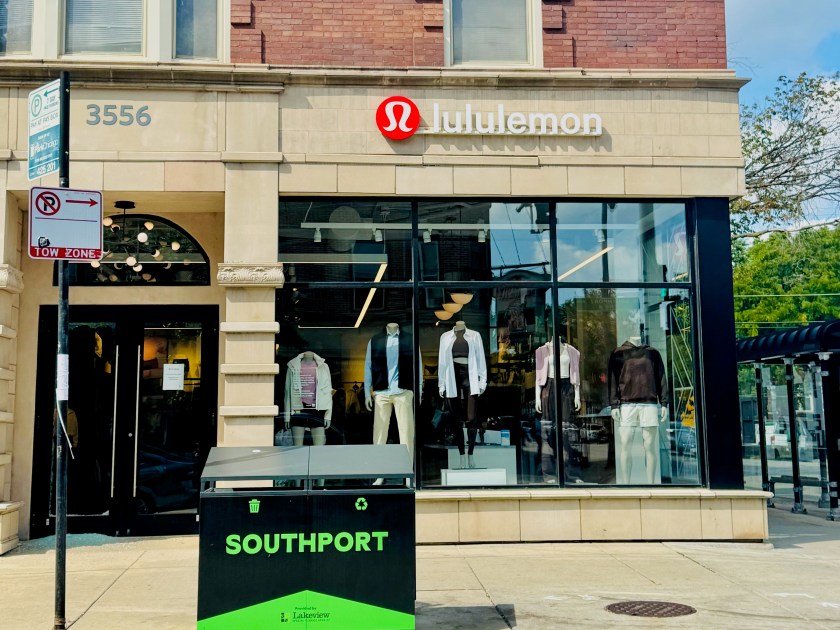
What was once primarily a neighborhood shopping street with independent businesses, restaurants, and a handful of national chains has evolved into one of Chicago’s most desirable retail destinations outside of downtown.
Reformation, Lululemon, Vuori, J.Crew, Anthropologie, Sephora, Madewell, and other national brands have helped establish Southport as a serious destination for fashion, beauty, fitness, and lifestyle retail.
Meanwhile, additional retailers are looking for opportunities along a corridor where available storefronts are increasingly difficult to find.
But the story extends beyond shopping.
The residential blocks surrounding Southport have become some of Lakeview’s most desirable addresses. Home prices have risen substantially, demand remains competitive, and the supply of available properties is constrained by a neighborhood that is already largely built out.
Together, these trends are creating an interesting question: What will the Southport Corridor look like in 2028, 2030, and 2032?
What Exactly Is the Southport Corridor?
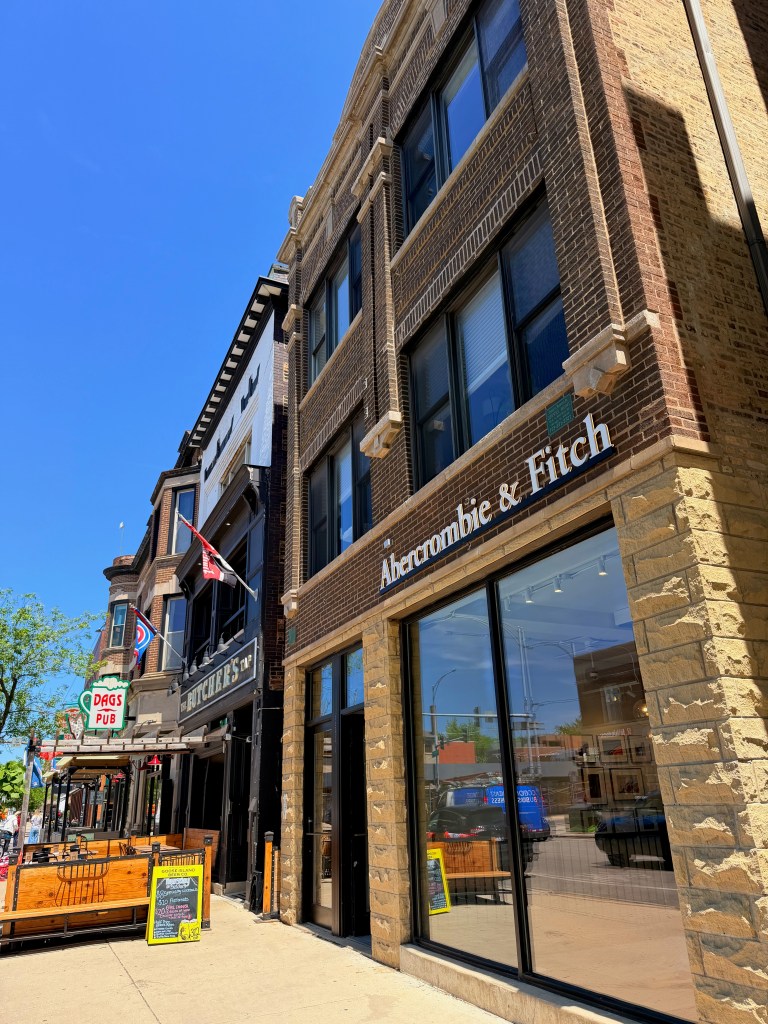
Located in Chicago’s Lakeview community area, the Southport Corridor is an established shopping, dining, entertainment, and residential district approximately five miles north of downtown Chicago.
Unlike an official Chicago community area, the Southport Corridor does not have legally defined boundaries.
Generally, the broader neighborhood is considered to run along Southport Avenue from Belmont Avenue north to Irving Park Road, with surrounding residential streets extending east toward Clark Street and west toward Ashland Avenue.
The primary retail district is more concentrated, particularly along Southport between Roscoe Street and Addison Street, with additional businesses extending north and south.
The neighborhood benefits from several characteristics that are difficult to replicate:
- A dense residential population within walking distance of the storefronts.
- The CTA Brown Line’s Southport and Addison stations.
- Proximity to Wrigley Field and the broader Wrigleyville entertainment district.
- Historic two-flats, three-flats, greystones, single-family homes, and newer luxury condominiums.
- A pedestrian-friendly commercial street integrated directly into the surrounding residential neighborhood.
- Established restaurants, cafes, theaters, fitness studios, and locally owned businesses.
The Music Box Theatre, a neighborhood landmark, provides a cultural anchor that most retail streets simply do not have.
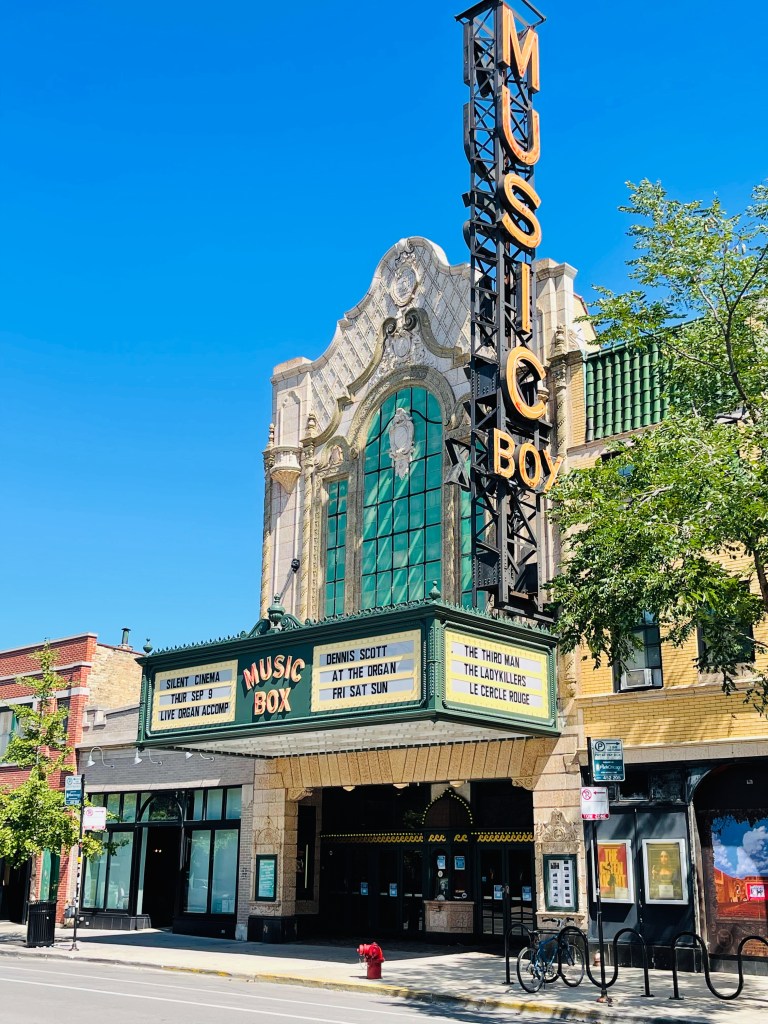
Unlike a traditional mall or destination shopping center, Southport serves both daily neighborhood needs and visitors who come specifically to shop, dine, and spend time in the area.
That combination is increasingly valuable.
The Numbers Behind Southport’s Retail Appeal
The demand for Southport retail space isn’t simply a matter of perception.
According to retail leasing materials associated with the new development at 3600 N. Southport Avenue, the surrounding trade area includes:
| Retail Market Indicator | Reported Figure |
|---|---|
| Population within one mile | More than 81,000 residents |
| Average household income | More than $145,000 |
| Retail vacancy, Addison to Roscoe | Approximately 1.6% |
| Primary retail concentration | Southport Avenue, Roscoe to Addison |
Source: 2026 retail leasing materials for 3600 N. Southport Avenue, as reported by Southport Corridor Chicago and The Lowe Group. The vacancy figure applies to the specified stretch, not the entire neighborhood.
A retail vacancy rate of approximately 1.6% is exceptionally tight and helps explain why prominent storefronts can attract interest even when an existing tenant leaves.
A recent analysis by The Lowe Group highlighted how individual storefronts may experience turnover without suggesting broader weakness in the retail district.
In fact, some tenant turnover reflects an evolving retail market in which different businesses are competing for a limited number of desirable locations.
National commercial real estate firm CBRE has also identified Southport among Chicago retail districts where limited available space and a lack of new construction are supporting landlord pricing power.
The broader message is clear: Southport is not struggling to establish itself as a shopping destination. Its challenge is finding enough suitable space to accommodate continued interest.
From Neighborhood Shopping Street to Premium Lifestyle Destination
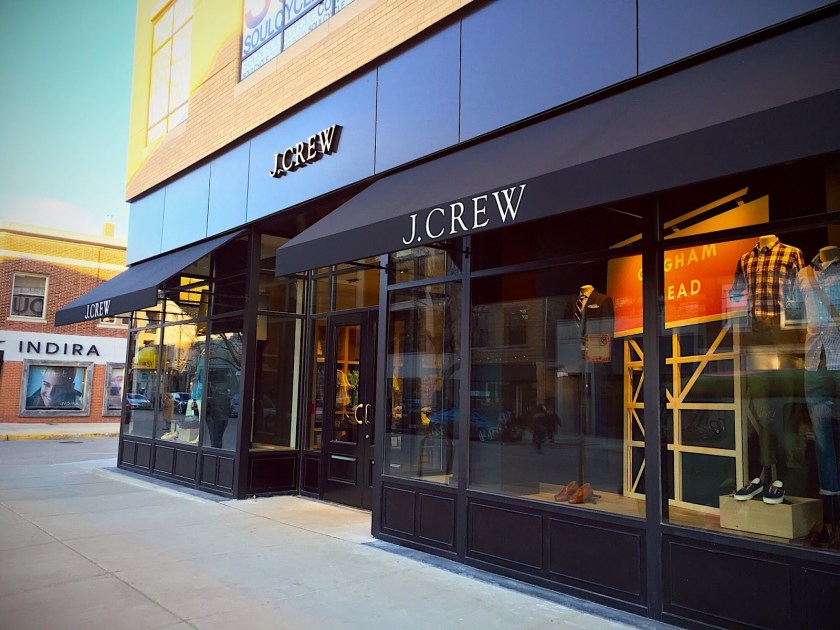
Southport’s evolution has taken place over many years, but the current retail mix illustrates how significantly its positioning has changed.
The corridor is now home to recognizable brands across several complementary categories.
Fashion and apparel: J.Crew, Madewell, Reformation, Anthropologie, Abercrombie & Fitch, Free People, Gap, and Evereve.
Athletic and outdoor apparel: Lululemon, Vuori, Athleta, and Arc’teryx.
Beauty, jewelry, and specialty retail: Sephora, Kendra Scott, and other specialty businesses.
Food, coffee, and entertainment: Starbucks, Colectivo Coffee, neighborhood restaurants, independent cafes, the Music Box Theatre, and longstanding local establishments.
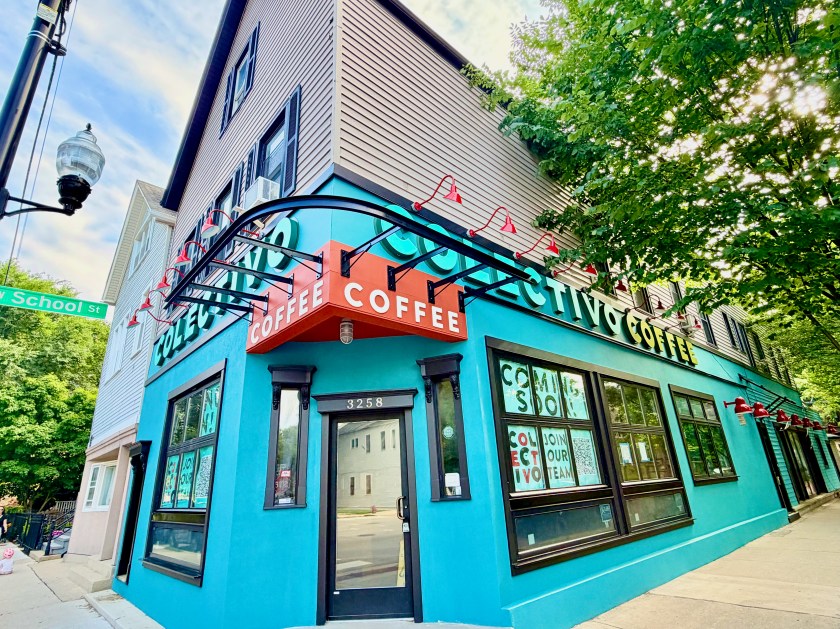
The presence of multiple competing and complementary fashion retailers is particularly important.
A consumer visiting Southport for one store can easily visit several others within a short walk. That creates a shopping environment in which neighboring businesses can benefit from one another.
Reformation’s May 2026 opening at 3452 N. Southport, replacing Dr. Martens, is a recent example of the corridor’s growing appeal to premium contemporary retailers.
Additional investment is underway.
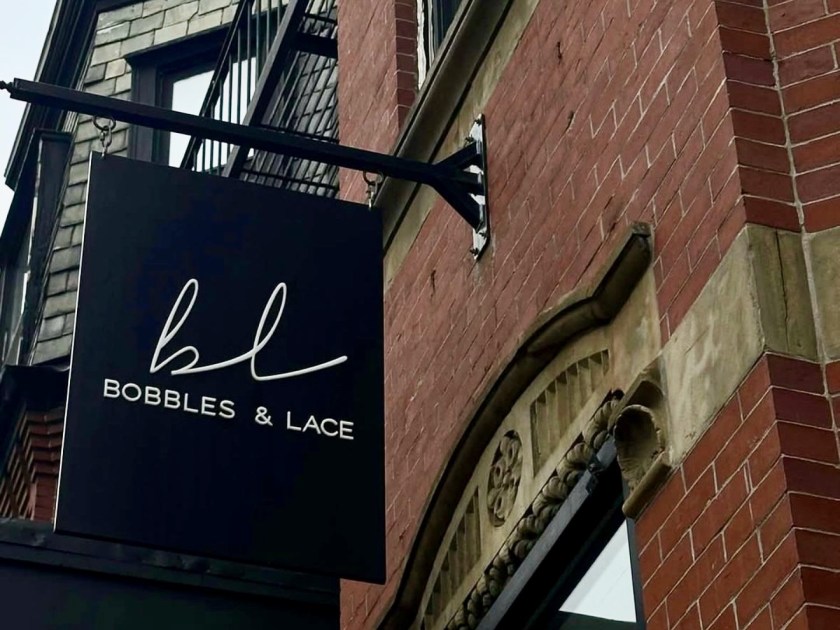
Bobbles & Lace, an affordable contemporary women’s fashion boutique, has been preparing to open at 3501 N. Southport. Its positioning is less premium than Reformation but adds another boutique shopping option.
That variety matters. Successful shopping districts benefit from a range of price points, not simply the most expensive stores.
Who Could Be Next? The Retailers That Make Sense for Southport
Looking ahead, Southport appears well positioned to attract additional fashion, beauty, wellness, footwear, and lifestyle concepts.
Potential candidates include:
| Retailer | Why It Could Fit |
|---|---|
| Alo Yoga | Premium activewear with strong customer overlap |
| Aritzia | Fashion-focused retailer with an upscale contemporary assortment |
| Sézane | Boutique-style fashion suited to a walkable shopping district |
| Rails | Premium casual apparel complementing existing fashion retailers |
| Marine Layer | Relaxed lifestyle apparel and neighborhood-oriented branding |
| Faherty | Premium casual clothing appealing to a broad lifestyle customer |
| On | Performance footwear with significant lifestyle crossover |
| Rothy’s | Footwear brand with a sustainability-oriented identity |
| Aesop | Premium skincare and distinctive storefront experience |
| Kiehl’s | Established skincare retailer with broad appeal |
| Jenni Kayne | Elevated apparel and home lifestyle merchandise |
| Mango | Contemporary fashion serving a somewhat different price point |
These are potential fits based on positioning, demographics, and the current retail mix—not confirmed tenants, active negotiations, or announced openings.
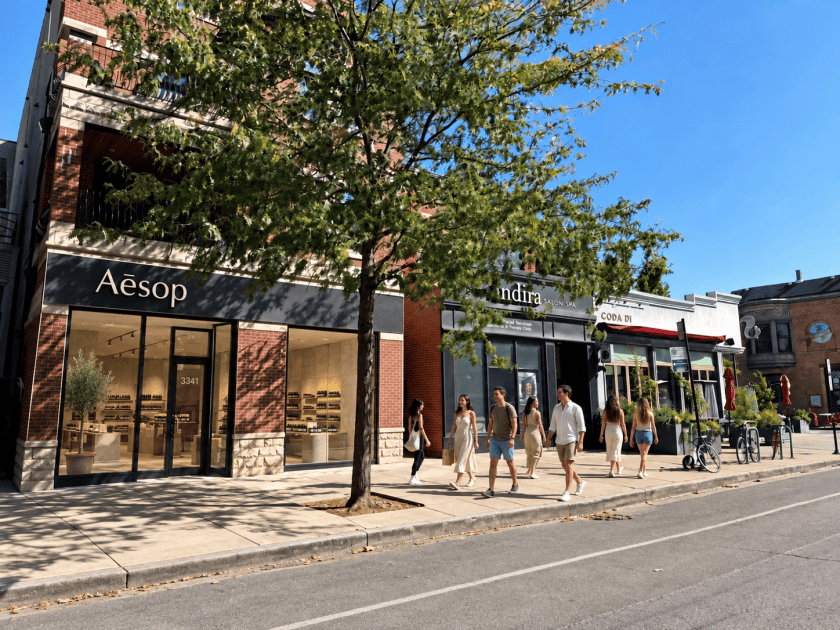
Not every retailer would choose Southport, and some may already have locations elsewhere in Chicago that affect expansion decisions.
However, the neighborhood has many of the characteristics that growing retailers seek: purchasing power, population density, recognizable neighboring tenants, and a shopping environment that encourages repeat visits.
The greatest opportunity may be attracting concepts that diversify the district rather than simply adding more women’s apparel.
Beauty, home furnishings, specialty footwear, men’s fashion, and distinctive independent retailers could help broaden Southport’s appeal.
The corridor also needs to maintain its independent businesses. A neighborhood filled entirely with national brands risks losing the character that originally attracted residents and visitors.
The Next Major Retail Opportunity: 3600 N. Southport
One of the most significant developments currently underway is the redevelopment of the former Fifth Third Bank property at Southport and Addison.
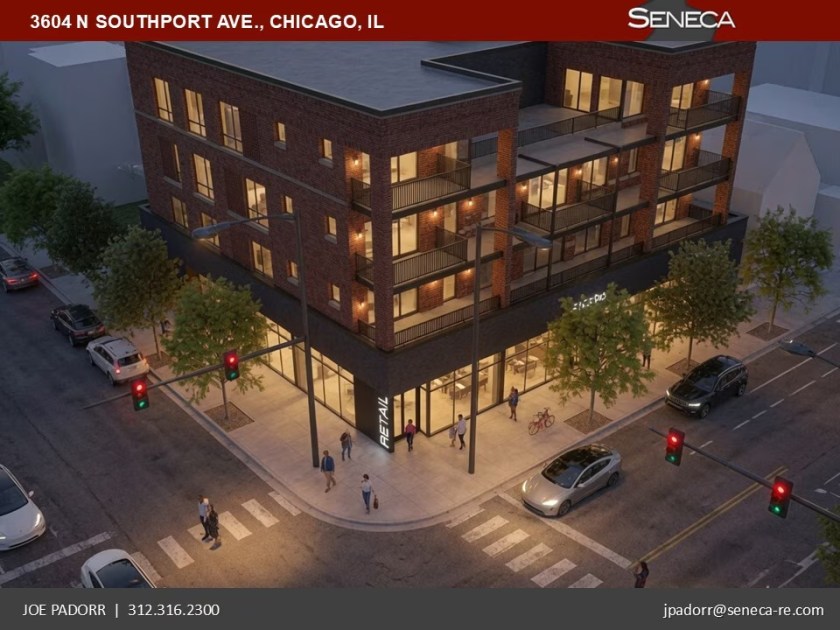
The four-story project at 3600 N. Southport is planned to bring approximately 6,250 square feet of ground-floor retail space and 10 residential units.
Current plans allow for the retail area to be divided into multiple storefronts, with spaces roughly ranging from 1,500 to 2,300 square feet.
The project has been marketed toward national lifestyle retailers, with completion previously targeted for the second quarter of 2027.
No specific retail tenants have been confirmed in the published leasing information.
The location offers substantial potential.
Its position at Addison, proximity to the CTA Brown Line, and strong surrounding retail tenants could make it an important new anchor at the northern end of Southport’s primary shopping district.
Unlike the replacement of one retailer with another, this project adds new retail space to an area where meaningful additional inventory is rare.
Read more about the 3600 N. Southport redevelopment.
The Other Side of the Story: Housing Demand and Rising Prices
Southport’s retail strength cannot be separated from its residential market.
The neighborhood attracts homebuyers who want the convenience of city living without sacrificing the character of a traditional residential community.
Within a few blocks, residents can reach shopping, dining, fitness studios, public transportation, entertainment, and neighborhood services.
That lifestyle has become particularly valuable.
According to Redfin’s Southport Corridor housing market data available in October 2026, the median sale price over the preceding three months was approximately $1.1 million, an increase of nearly 30% compared with the same period a year earlier.
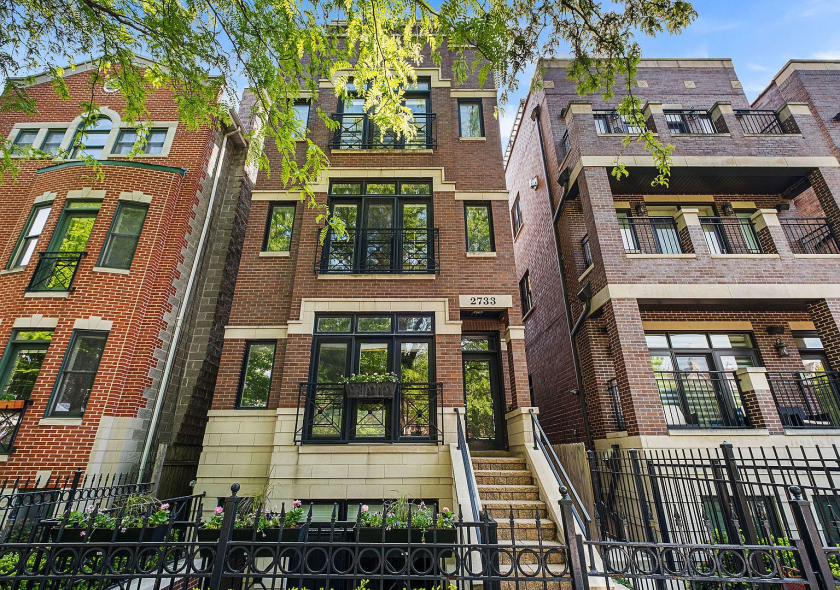
The median sale price per square foot was approximately $480, while homes were selling at an average of roughly 5% above asking price.
For the broader 60657 ZIP code, Redfin reported a median sale price of approximately $705,000 for August 2026, up 17.4% year over year.
These figures demonstrate the strength of the housing market, although they should not be interpreted as identical geographic measures or as guaranteed annual appreciation rates.
The Southport-specific sample is relatively small, and median sale prices can change significantly depending on the mix of condos, townhomes, and single-family residences sold.
Nevertheless, the larger trend is difficult to ignore: demand for desirable North Side housing remains strong.
Why Housing Supply Is So Limited
A major challenge for the Southport Corridor is simply that there is very little room left to build.
Much of the surrounding residential neighborhood consists of established housing on relatively small Chicago lots.
New homes are typically created through redevelopment of existing buildings, replacement of smaller properties, condominium conversions, or occasional mixed-use projects.
Unlike developing neighborhoods with large vacant parcels, Southport has few opportunities to add hundreds of residential units at once.
This creates a structural constraint on supply.
The same qualities that make the neighborhood attractive—its established streets, historic architecture, walkability, and relatively consistent neighborhood scale—also make major housing expansion difficult.
When available listings are limited, buyers can find themselves competing for the same small selection of desirable properties.
Importantly, low inventory does not mean literally no homes are available. There are active listings throughout Lakeview, and availability varies considerably by property type, price, and season.
The scarcity is most pronounced when buyers seek a specific combination of location, size, outdoor space, parking, condition, and modern amenities.
What This Means for Home Prices
Several factors could continue supporting Southport property values:
- Limited opportunities for large-scale new residential development.
- Strong demand for walkable neighborhoods near public transportation.
- A concentration of established retail, restaurants, and lifestyle amenities.
- Desirable residential streets within walking distance of the commercial district.
- A housing stock that includes a limited number of large, renovated homes and luxury residences.
Chicago’s wider rental market is experiencing similar supply pressures, with relatively little new multifamily construction compared with other major metropolitan areas.
For homeowners, this creates the potential for continued long-term value appreciation.
For prospective buyers and renters, it can make entering the neighborhood increasingly expensive.
But continued price gains are not guaranteed. Mortgage rates, property taxes, insurance costs, economic conditions, and affordability constraints could slow appreciation or produce periods of declining prices.
There is also a broader concern: if the neighborhood becomes increasingly expensive, it risks becoming less accessible to the diverse range of residents and independent businesses that helped establish its identity.
Looking Ahead: Southport Corridor in 2028, 2030, and 2032
Predicting the exact businesses that will occupy Southport storefronts six years from now is impossible.
However, the existing retail mix, demographic profile, development activity, and limited supply provide a useful foundation for considering several realistic possibilities.
2028: A More Complete Shopping District
Over the next two years, Southport’s most visible changes are likely to come from filling existing storefronts and completing projects already in development.
The 3600 N. Southport project could introduce multiple additional retailers to the Addison intersection, assuming development and leasing proceed as anticipated.
More established lifestyle brands may enter the corridor as existing leases expire or tenants relocate.
The Music Box Theatre’s planned expansion could also strengthen the district’s entertainment offering.
By 2028, Southport may feel more like a continuous shopping destination, with fewer interruptions in active retail frontage.
On the residential side, prices may remain elevated if demand stays strong and new housing supply remains limited.
The biggest challenge could be affordability rather than attracting new residents.
2030: Greater Competition for Prime Retail Space
Four years from now, Southport could become even more selective in the retailers it attracts.
National brands looking for walkable neighborhood locations may increasingly view the corridor alongside other established Chicago shopping destinations, including Armitage Avenue, the Gold Coast, and Fulton Market.
With limited storefront availability, retail rents could continue rising, potentially favoring brands with stronger sales volumes and greater financial resources.
This could also push new retail activity beyond the corridor’s traditional core, particularly toward Belmont, Irving Park, and nearby stretches of Lincoln Avenue.
The result could be a larger connected shopping and dining area rather than one concentrated half-mile of stores.
For the housing market, limited new construction may continue supporting the value of well-located properties, although the pace of appreciation will depend heavily on affordability and broader economic conditions.
A key question will be whether neighborhood-serving independent businesses can continue competing for commercial space.
2032: One of Chicago’s Defining Neighborhood Shopping Destinations?
By 2032, Southport could occupy an even stronger position among Chicago’s neighborhood retail districts.
Its combination of density, income, walkability, public transportation, and established national retailers offers many of the advantages associated with successful urban shopping streets.
The likely future is not a luxury district comparable to Oak Street.
Instead, Southport may continue evolving as an upscale, accessible lifestyle shopping destination, combining contemporary fashion, specialty retail, wellness, restaurants, entertainment, and independent businesses.
The corridor could also become more closely linked to surrounding retail and commercial streets, creating a broader shopping environment across central Lakeview.
Residential development will likely remain incremental rather than transformative, with smaller infill projects and property redevelopments adding new housing gradually.
If demand remains strong and supply constrained, Southport may continue commanding a premium within the wider Lakeview housing market.
However, that success will come with trade-offs.
Higher retail rents could make it harder for independent businesses to survive. Rising housing costs could narrow the range of households able to buy into the neighborhood. And an increasingly standardized collection of national brands could diminish some of Southport’s distinctive identity.
The strongest outcome would balance continued investment with the local character that makes Southport appealing in the first place.
The Next Six Years at a Glance
| Year | Potential Retail Evolution | Residential Outlook |
|---|---|---|
| 2028 | New retail space at Southport and Addison; additional boutique and national tenants | Competitive market, limited infill construction |
| 2030 | Further premium lifestyle expansion; greater competition for storefronts; potential growth beyond the retail core | Continued supply constraints; affordability increasingly important |
| 2032 | More mature neighborhood shopping destination with a mix of national brands and local anchors | Established, high-demand residential market with limited room for large-scale expansion |
These are editorial projections based on current market conditions, not announced development plans or guaranteed real estate forecasts.
Can Southport Become Too Successful?
There is one important issue that deserves attention as the corridor continues to evolve.
National retailers have unquestionably helped raise Southport’s profile. They bring recognizable names, attractive storefronts, marketing investment, and consumers who might not otherwise visit the district.
But independent retailers, restaurants, coffee shops, and cultural institutions provide something equally important: neighborhood identity.
Businesses such as Cafe Tola, Dogaholics, and the Music Box Theatre help distinguish Southport from a conventional shopping center.
Preserving that balance will become increasingly important as commercial property values and rents rise.
The long-term health of the corridor shouldn’t be measured solely by the number of national brands that open.
It should also be measured by whether residents continue to find Southport useful, welcoming, distinctive, and worth visiting regularly.
The Bottom Line: Southport Is Still Evolving
The Southport Corridor of 2026 looks substantially different from the neighborhood shopping street of 20 years ago.
What began as a collection of neighborhood businesses has grown into one of Chicago’s most recognizable shopping and lifestyle destinations.
With strong demographics, exceptionally low reported retail vacancy in its core, recognizable national brands, and a constrained supply of residential properties, Southport has many of the fundamentals necessary for continued success.
By 2028, the district could be more complete. By 2030, it could be more competitive. And by 2032, it could be even more firmly established as a premier Chicago neighborhood shopping destination.
The opportunity isn’t simply to attract more expensive stores or build more expensive homes.
It’s to preserve the qualities that made Southport desirable while allowing the neighborhood to continue evolving.
If the corridor can achieve that balance, its next chapter could be even more successful than its last.
Sources and additional reading

