
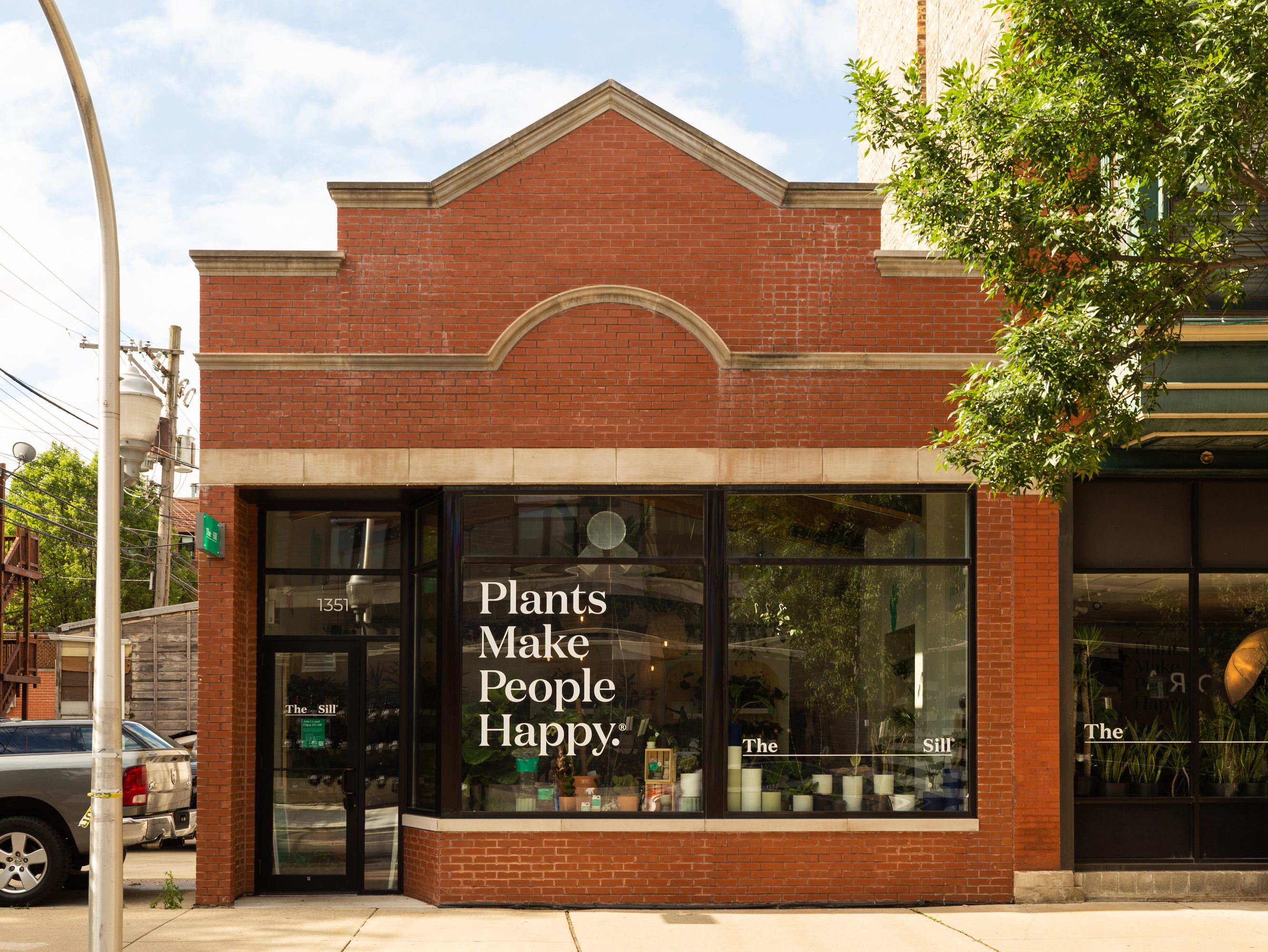
Chicago’s Southport Corridor is known for its vibrant mix of local businesses, but one familiar name is bidding farewell: The Sill, a national online and brick-and-mortar business specializing in plants and greenery. The closure marks the end of an era for the company in the Windy City, leaving Roscoe Street without one of its retailers.
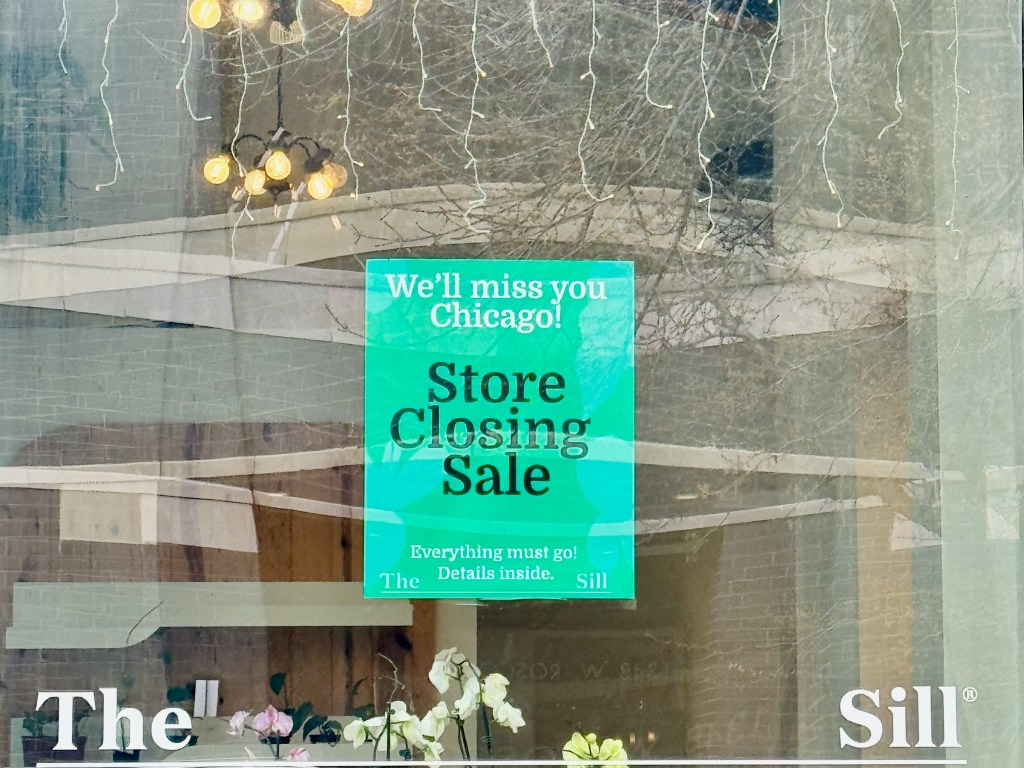
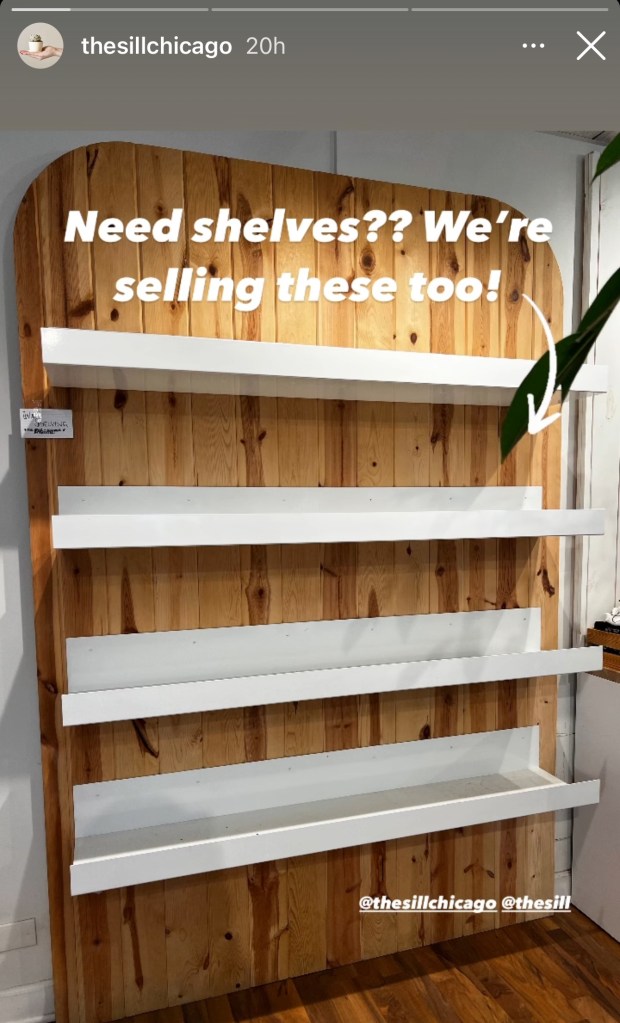
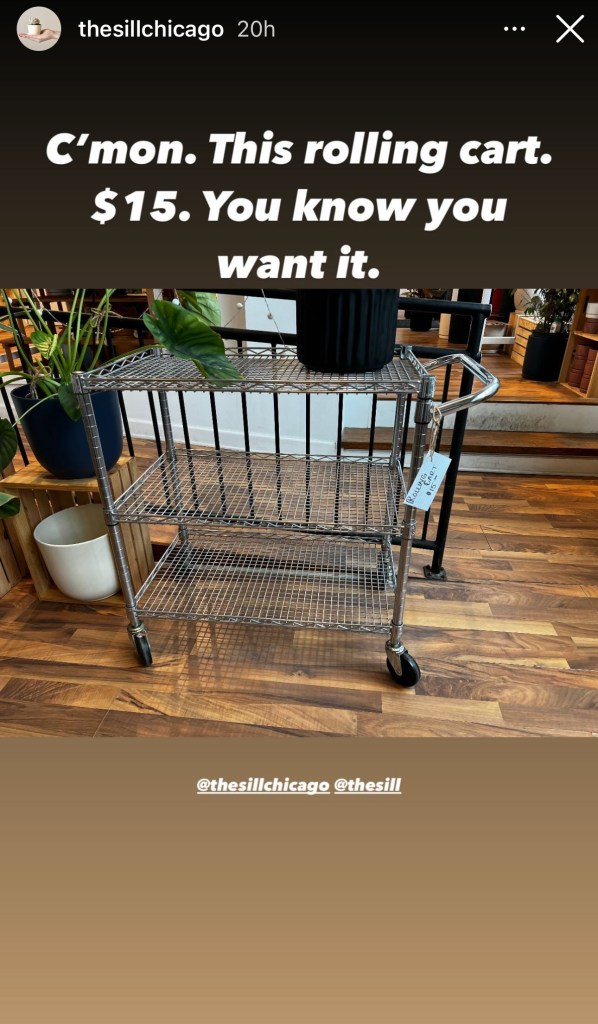
This past weekend, The Sill Chicago’s Instagram’s stories showed that everything was on sale, including counters and shelving.

The Sill’s foray into Chicago was met with mixed reactions from locals. While some embraced its presence, others found it hard to connect with the brand, citing its national scale and lack of community engagement. Despite efforts to integrate into the local scene, The Sill struggled to establish a strong foothold in the neighborhood.
From a 2021 Block Club article about The Sill:
“The Sill is also a three-minute walk from Primrose, a 30-year-old plant and flower shop formerly known as That’s Amore. Erik Thallemer and his wife, Leah, bought the business with money from their savings in 2019 and rebranded it during the pandemic.
They also say they are mostly concerned with The Sill’s source of capital, Thallemer said.
“They have venture capital funding and are in that fast-growth startup phase,” Thallemer said. “I worry about a situation like we had with Uber where they can come into the city with venture capital to basically just subsidize [them] and have ridiculously low prices, which none of us can compete with, and drive us out.”
Founded in 2012, The Sill quickly gained traction as an online plant retailer, catering to urban dwellers looking to bring a touch of nature into their homes. Its innovative approach to packaging and shipping live plants garnered attention and propelled the company into the spotlight. Buoyed by its online success, The Sill began expanding into brick-and-mortar retail, with locations sprouting up in major cities across the United States.
However, the road to success was not without its bumps. The Sill faced challenges in adapting its business model to the unique dynamics of each local market. In some cities, like New York and Los Angeles, the brand found a receptive audience and flourished. But in others, such as Chicago, it struggled to resonate with consumers on a deeper level.
The closure of The Sill’s Chicago outpost is not an isolated incident. In recent years, the company has shuttered several of its national locations, signaling broader troubles within the organization. Financial woes have plagued the brand, prompting it to seek alternative sources of funding. In a bid to stay afloat, The Sill launched a crowdfunding campaign, hoping to extend its financial runway and navigate the challenging retail landscape.
The decision to close its doors in Chicago reflects the harsh realities facing both national retailers and local businesses alike. In an era dominated by e-commerce giants and shifting consumer preferences, maintaining a physical presence can be a daunting task. Local retailers, deeply ingrained in their communities, often possess a competitive edge that national chains struggle to replicate.
While national brands offer convenience and scale, they often lack the personal touch and grassroots support that local establishments thrive on. In the case of The Sill, its departure from Chicago serves as a sobering reminder of the challenges inherent in bridging the gap between national ambitions and local realities.
As the retail landscape continues to evolve, the fate of businesses like The Sill serves as a cautionary tale. While the allure of expansion may be enticing, success ultimately hinges on a deep understanding of the communities they serve. Only by embracing the unique character and ethos of each locality can retailers hope to weather the storm and carve out a lasting legacy in the hearts of consumers.
 Southport Corridor News and Events - Chicago, Illinois