

While downtown Chicago and the Magnificent Mile continue to struggle with high vacancies and shifting consumer patterns, the city’s neighborhood retail corridors are telling a very different story—and Southport Avenue is leading the charge.
Retail is thriving along Southport, Bucktown, and Armitage, where national brands and indie boutiques are rushing to plant flags in some of Chicago’s most vibrant, walkable neighborhoods. These areas offer what downtown currently can’t: strong local foot traffic, community energy, and near-zero vacancy.
Among them, Southport stands out with virtually no retail space available. It’s become the gold standard for neighborhood retail, attracting top-tier brands and maintaining a tenant roster that rarely turns over. That scarcity is fueling demand—and making it one of the most competitive stretches in the city for storefront leasing.

Abercrombie & Fitch was early to the trend, opening its Southport location several years ago and expanding into Bucktown just last year. Their move reflects a larger shift in strategy across the retail industry: brands are favoring vibrant, residential corridors over struggling downtowns and traditional shopping malls.
Over in Lincoln Park, Armitage Avenue is in the midst of a retail revival of its own, with a slate of hot new brands moving in:
- Reformation – sustainable fashion favorite
- Abercrombie & Fitch – modern and fresh clothes
- Rhone – premium activewear for men
- Studs – modern ear piercing and jewelry
- Rituals – luxury bath and body products
- Another Tomorrow – a high-end sustainable fashion label
Meanwhile, Bucktown continues to strengthen, with new concepts popping up along Damen Avenue and a tight retail availability rate of just under 2%, according to CoStar.
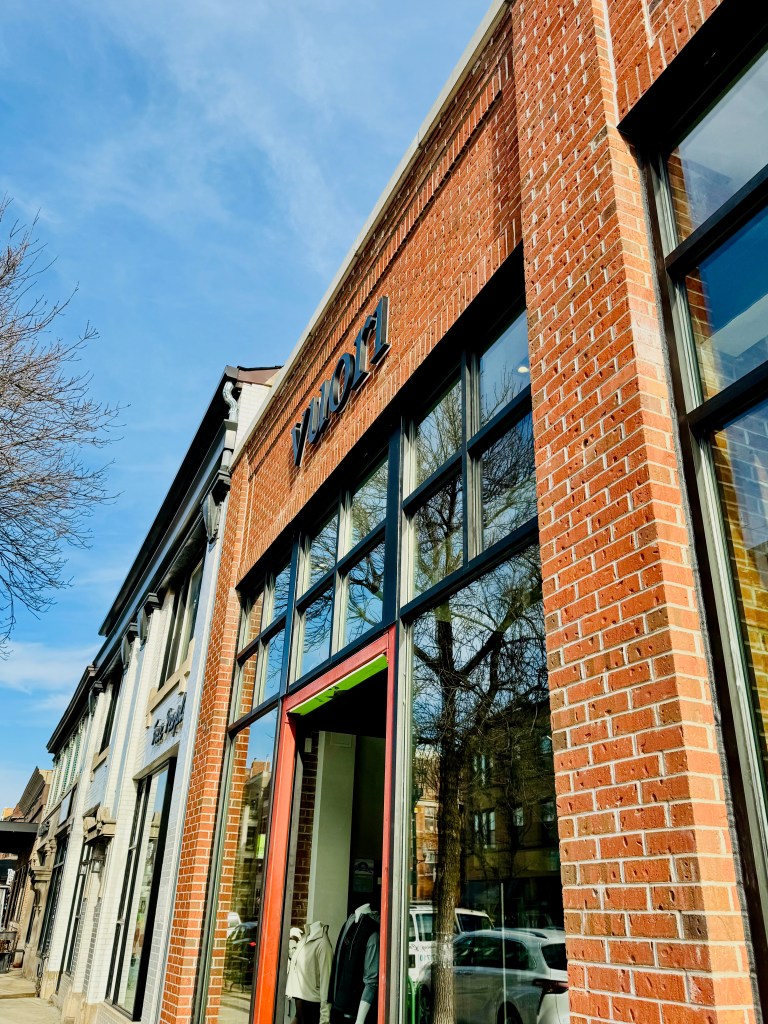
Still, Southport Avenue is setting the pace. With its unbeatable mix of affluence, neighborhood charm, and a retail vacancy rate that’s essentially zero, Southport isn’t just keeping up—it’s setting the tone for what successful urban retail looks like in 2025.
Downtown may be finding its footing, but in neighborhoods like Southport, the foot traffic never left.
 Southport Corridor News and Events - Chicago, Illinois