

After years of stalled development at the Lincoln Yards site, a major redevelopment effort is taking shape on both the northern and southern ends of the property.
On the north side of the Chicago River, developers behind the proposed Foundry Park project have formally filed a zoning application with city officials, a key step toward advancing construction on the long-idle site. The mixed-use community, led by Chicago-based JDL Development in partnership with Kayne Anderson Real Estate, would transform roughly 45 acres into a predominantly residential neighborhood with thousands of homes, retail space, hospitality uses, and significant new public open space. Foundry Park’s plan calls for nearly 3,740 residential units, of which roughly 20 percent would be designated affordable, and buildings ranging from townhouses to towers over 500 feet tall. The first phase of development, outlined in the zoning request, includes about 900 residences clustered around a central public square and supporting retail. City planners expect approval next spring, with infrastructure work starting as early as fall 2026.
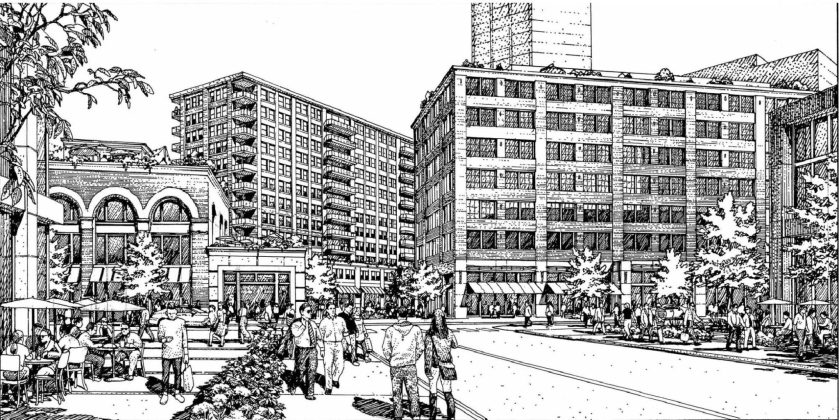
Meanwhile, activity is also picking up on the southern portion of Lincoln Yards, a nearly 18-acre tract that remained separate from the Foundry Park acquisition. An affiliate of Novak Construction, led by local developer John Novak, is under contract to purchase this parcel from Sterling Bay and its financial partners. While specific development plans have not been announced, Novak’s firm has a track record of building multifamily and retail projects around the city, and industry observers say future proposals could include residential and commercial components. No sale price or closing date has been disclosed, and Novak has indicated it plans to work with city officials as a long-term plan is shaped.
The renewed interest in Lincoln Yards comes after years of uncertainty following the collapse of the original megadevelopment plan. Under the previous vision, Sterling Bay had envisioned a massive mixed-use community spanning both sides of the river, but high costs and shifting market conditions stalled progress, leaving much of the land undeveloped. The latest moves signal a long-anticipated restart, with a focus on housing and neighborhood-oriented development.
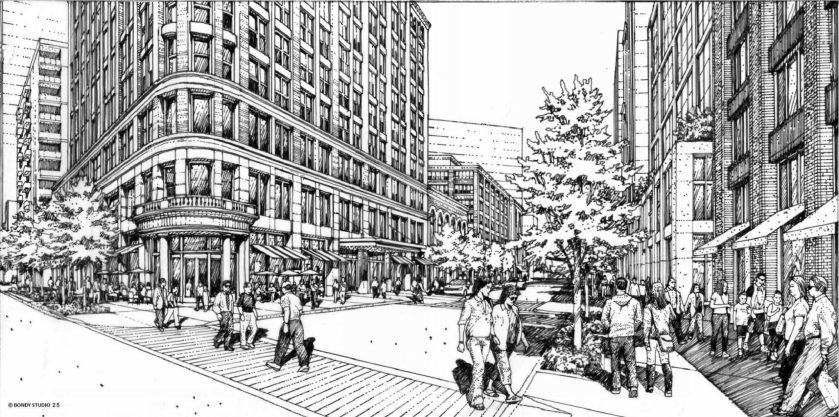
City officials and neighbors are now watching to see how these separate elements of the project evolve, how infrastructure obligations will be shared, and how new zoning approvals might shape the future of this prominent North Side site. Construction timelines remain tentative, but proponents say the dual developments could begin reshaping the long-vacant land within the next year.
 Southport Corridor News and Events - Chicago, Illinois