
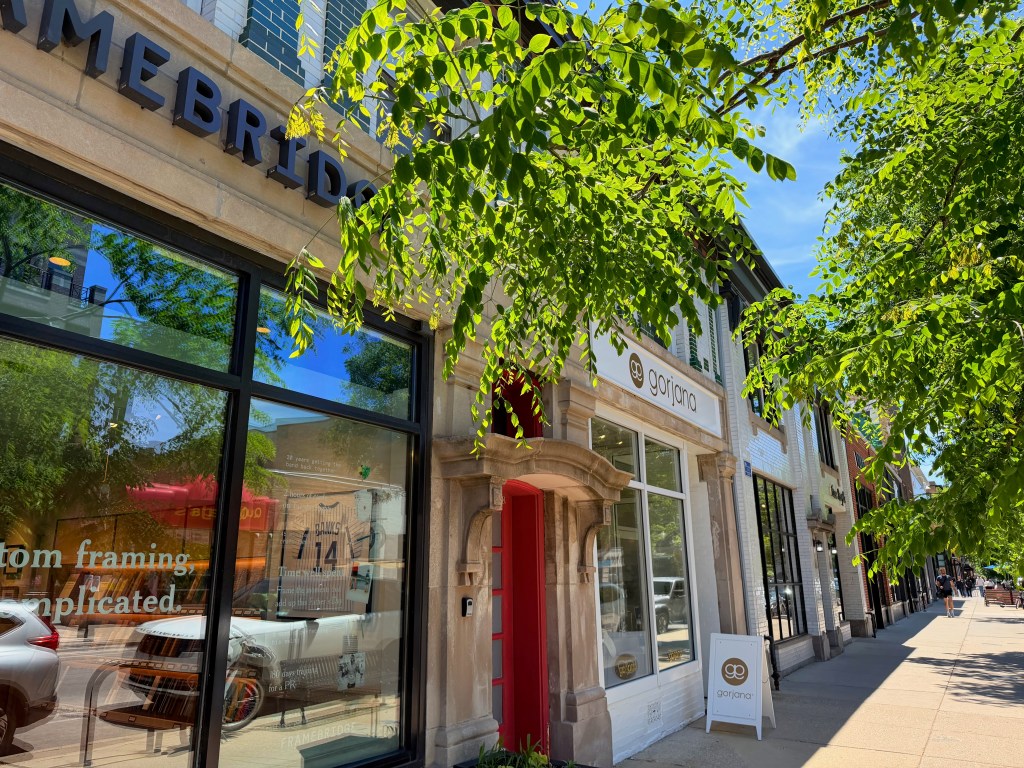
Armitage Avenue and Southport Corridor are proving once again why they remain two of Chicago’s hottest neighborhood shopping destinations.
According to a new report from Stone Real Estate, Armitage Avenue between Halsted Street and Sheffield Avenue reached an extraordinary 0% retail vacancy rate in 2025, down from 4.2% a year ago. The milestone underscores just how strong demand has become along the Lincoln Park corridor, which has evolved from a local shopping street into one of the most sought-after retail addresses in the city.
As first reported by Crain’s Chicago Business, Armitage has increasingly become a top target for national retailers entering the Chicago market. Brands are no longer simply considering the corridor—they’re actively competing for the limited space available.
The strength of the street is reflected in both occupancy and performance. Retail rents have nearly doubled from pre-pandemic levels, a sign that stores are generating the sales needed to support premium lease rates. Recent additions including Rhone and Huckberry have joined an already impressive lineup of national and boutique brands that continue to draw shoppers from across the city.
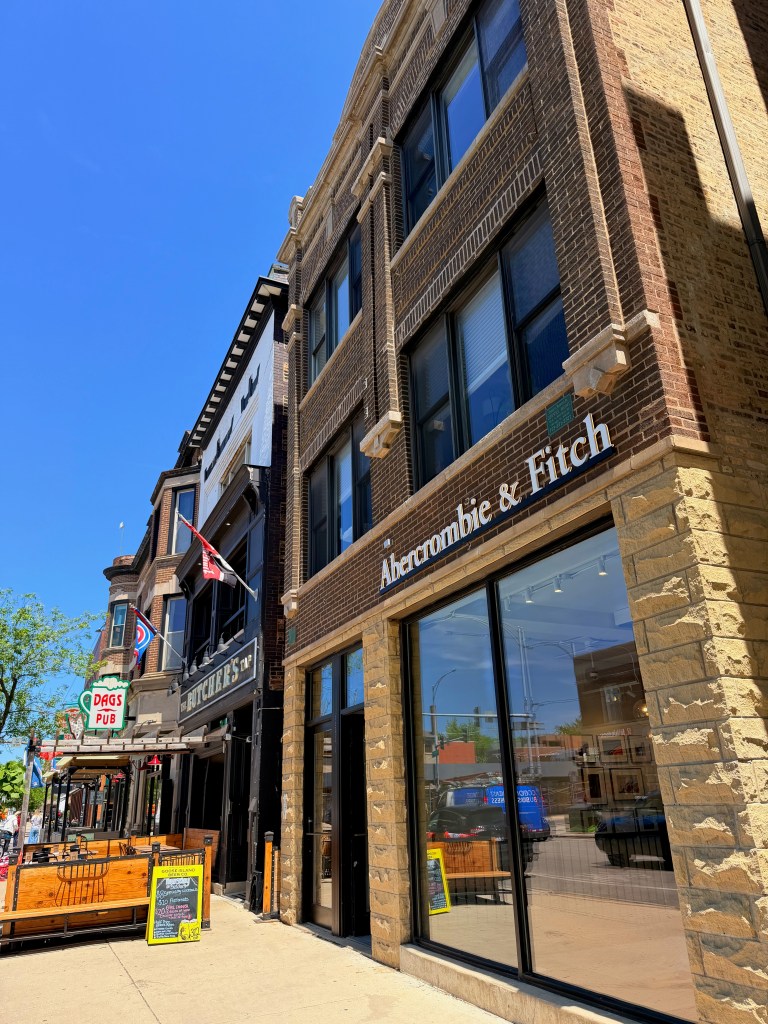
Even the long-vacant former Charlie Trotter’s building at 816 W. Armitage has found new life, eliminating what had been one of the corridor’s last remaining vacancies.
Just a few miles north, Southport Corridor continues to be one of Chicago’s strongest neighborhood retail districts.
While Southport’s vacancy rate edged up slightly to 1.6% in 2025, the increase was largely the result of unique circumstances rather than weakening demand. One vacancy was created by Claire’s national bankruptcy-related closures, while another came when The UPS Store relocated to a larger location nearby.
The corridor remains exceptionally healthy, with new arrivals including Reformation, Portland Leather Goods, and Lovesac helping reinforce Southport’s growing appeal.
What’s perhaps most notable is how dramatically Southport has transformed over the past decade. In 2012, local businesses dominated the street. Today, national retailers account for roughly two-thirds of storefronts, highlighting the corridor’s growing prominence among brands seeking a neighborhood location with strong demographics, high foot traffic, and a loyal customer base.
The report suggests Southport could soon join Armitage at a 0% vacancy rate, a remarkable achievement that would further solidify Chicago’s North Side as one of the Midwest’s strongest retail markets.
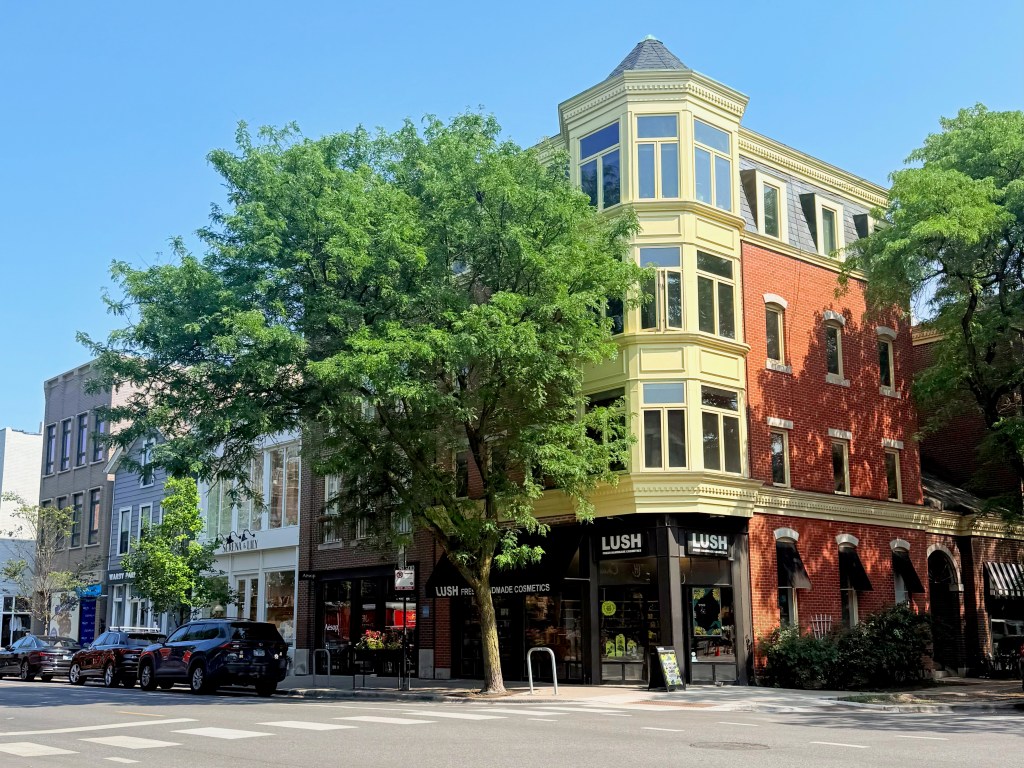
Together, Armitage and Southport are sending a clear message: neighborhood retail in Chicago is thriving. While other commercial districts continue to navigate post-pandemic challenges, these two corridors are attracting investment, landing new retailers, and maintaining some of the lowest vacancy rates in the city.
For residents and shoppers, it means even more reasons to spend an afternoon exploring two of Chicago’s most vibrant retail streets.
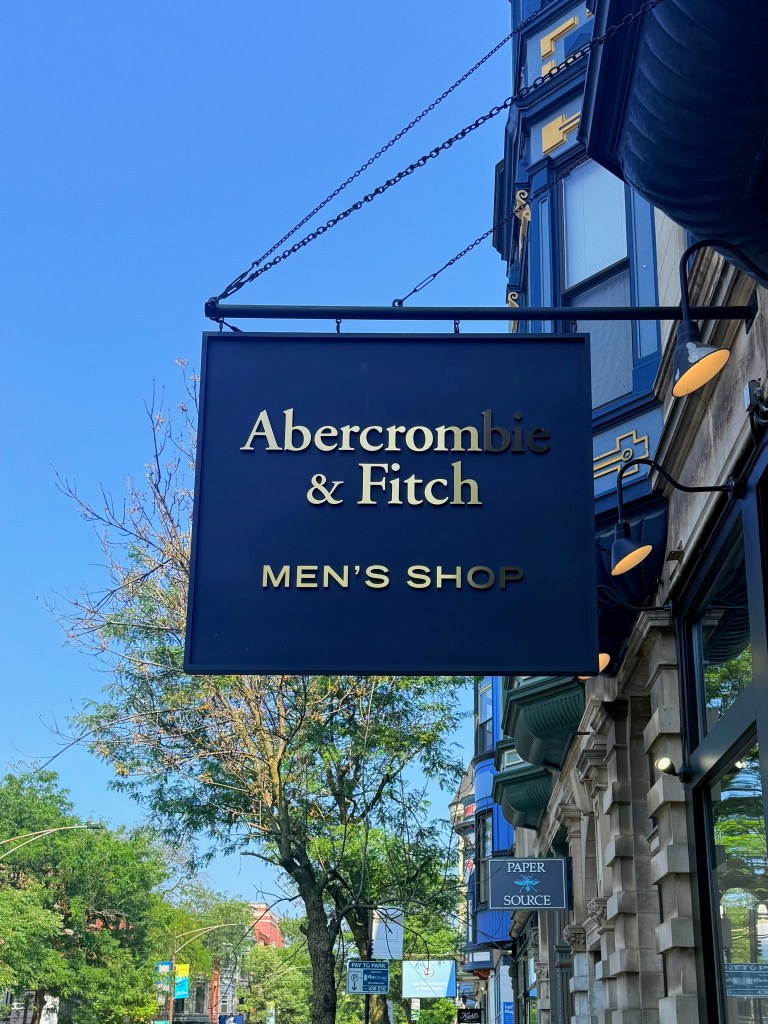
While Armitage and Southport continue to set the pace, Damen Avenue remains a corridor in transition. Vacancy rates increased over the past year as several longtime national retailers departed, but new arrivals such as Salomon, Bandit Running, Hotel Chocolat, and Class Act suggest the street may be carving out a new identity centered around wellness, fitness, dining, and neighborhood services. With the popularity of The 606 and continued residential growth nearby, many brokers remain optimistic that Damen’s next chapter is still being written.

